





































Elevating Risk Management Through Lessons Learned
The Importance of Lessons Learned
Analysing past incidents is essential for refining risk management strategies. By examining previous events, organisations can identify patterns and vulnerabilities, fostering a proactive approach that strengthens security measures and aligns with ISO 27001:2022 compliance (Clause 5.3). This integration not only enhances organisational resilience but also promotes a culture of continuous improvement, crucial for adapting to emerging threats.
Enhancing ISO 27001:2022 Compliance with Lessons Learned
Lessons learned play a critical role in achieving compliance by informing risk assessments and refining security controls. They offer valuable insights that bolster the robustness of information security management systems (Clause 8.2). Industry experts note that this approach can lead to a 40% reduction in incident response time, significantly boosting operational efficiency.
Key Benefits of Implementing Lessons Learned
- Improved Security Posture: Organisations report significant security enhancements after adopting ISO 27001.
- Proactive Risk Management: Lessons learned drive continuous improvements in security practices, as emphasised by experts.
- Adaptation to Emerging Threats: Insights from past experiences are vital for staying ahead of evolving threats.
How ISMS.online Can Support You
Our platform, ISMS.online, provides tools and resources to seamlessly integrate lessons learned into your risk management processes. By offering a structured approach to incident analysis and risk assessment, we empower Compliance Officers, Chief Information Security Officers, and CEOs to effectively enhance their security frameworks.
Discover how our solutions can transform your risk management practices and ensure your organisation remains resilient and compliant.
Book a demoUnderstanding ISO 27001:2022 Risk Management
Core Components of ISO 27001:2022
ISO 27001:2022 offers a comprehensive framework for managing information security risks, focusing on risk assessment, risk treatment, and continuous improvement. These components collectively ensure a robust security posture, aligning with business objectives to effectively mitigate potential threats.
Framework Support for Risk Management
The framework enhances risk management through structured processes, including detailed risk assessments and treatments. By systematically identifying, evaluating, and addressing risks, organisations can proactively strengthen their security measures, ensuring compliance with ISO 27001:2022 (Clause 6.1).
Importance of ISO 27001:2022 for Information Security
ISO 27001:2022 is crucial for maintaining information security as it integrates risk management with business goals. Continuous improvement is a key element, adapting the Information Security Management System (ISMS) to evolving threats, thereby safeguarding organisational assets (ISO 27001:2022 Clause 10.2).
Practical Guidance for Aligning Practices with the Framework
Aligning risk management practices with ISO 27001:2022 involves integrating lessons learned from past incidents into risk assessments. This strategic alignment not only enhances compliance but also fosters a culture of continuous improvement, crucial for adapting to new threats.
Role of Continuous Improvement
Continuous improvement drives organisations to regularly refine their security practices. By embracing this principle, companies can stay ahead of emerging threats and maintain a resilient security posture. Notably, 50% of companies plan to increase spending on risk management tools in the next year, highlighting the growing importance of robust risk management frameworks.
In light of these insights, organisations must prioritise aligning their risk management practices with ISO 27001:2022. This alignment not only enhances security but also supports business objectives, ensuring a comprehensive approach to information security.
ISO 27001 made easy
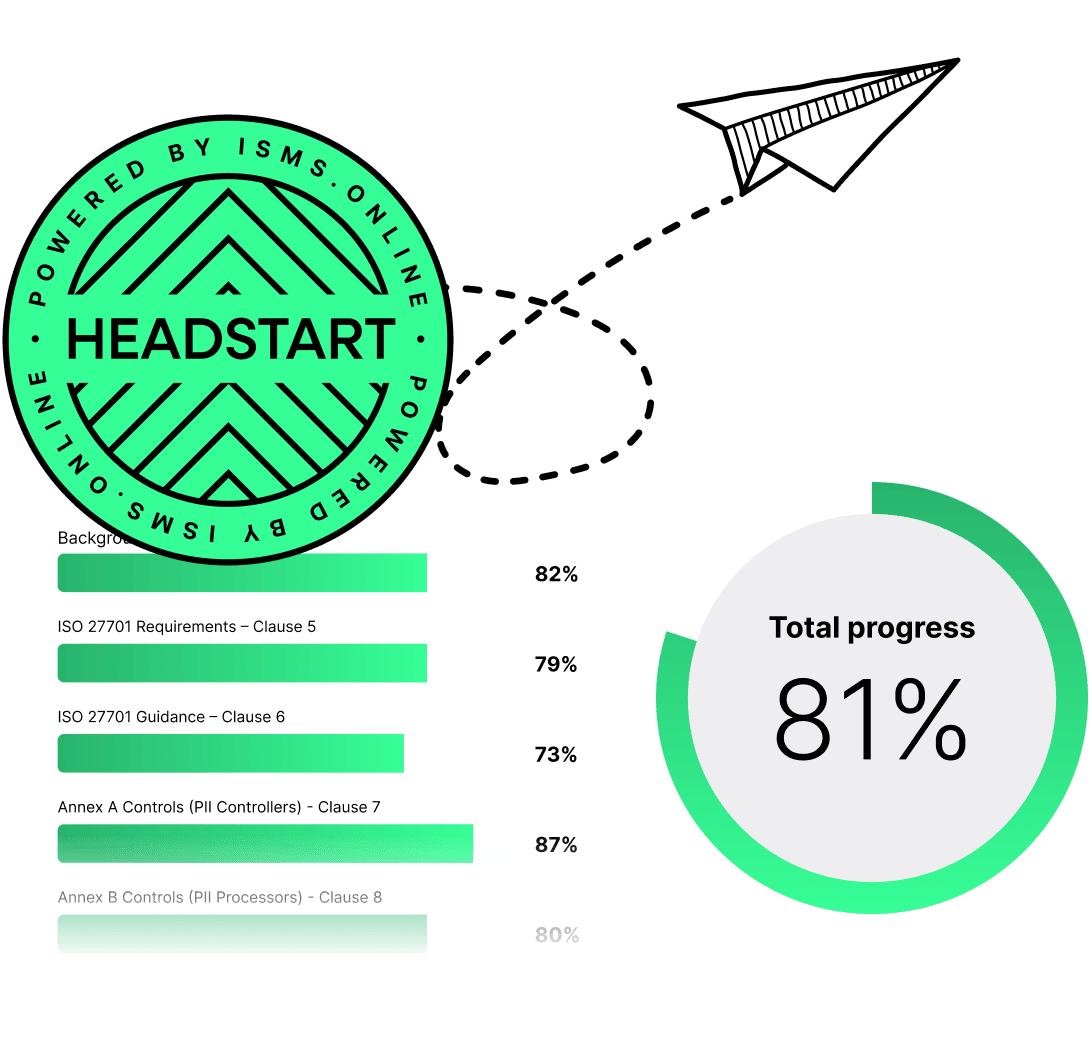
An 81% Headstart from day one
We’ve done the hard work for you, giving you an 81% Headstart from the moment you log on. All you have to do is fill in the blanks.
Identifying Key Lessons from Past Incidents
How Organisations Can Extract Valuable Lessons
Organisations can extract valuable lessons from incidents by employing systematic methods like root cause analysis and comprehensive incident reviews. These approaches delve into the underlying causes, providing insights that inform future risk management strategies.
Uncovering Root Causes
Root cause analysis uncovers the fundamental reasons behind incidents. Dissecting each event allows organisations to pinpoint specific vulnerabilities and develop strategies to mitigate similar risks, enhancing resilience and aligning with ISO 27001:2022 (Clause 10.2).
Systematic Documentation and Categorization
Maintaining a structured repository of incident reports ensures lessons learned are accessible and actionable. This practice allows organisations to reference past experiences, informing decision-making and enhancing risk management frameworks.
Tools for Capturing Lessons
Automated tools streamline the documentation process, preserving critical insights for future reference. Integrating these tools fosters a culture of continuous improvement and proactive risk management.
Conducting Effective Incident Reviews
Thorough incident reviews uncover critical insights that drive risk management enhancements. These reviews provide a comprehensive understanding, enabling organisations to refine security measures and align with best practices.
By incorporating these strategies, your organisation can strengthen its security posture and ensure compliance with ISO 27001:2022. Systematically capturing and analysing lessons learned allows you to proactively address vulnerabilities and enhance resilience against future threats.
Analysing the Impact of Lessons on Risk Management
Enhancing Risk Management with Lessons Learned
Integrating lessons learned into risk management strategies enhances both assessment accuracy and mitigation. By examining past incidents, organisations refine their approach, reducing incident response time. This proactive stance strengthens security measures and aligns with ISO 27001:2022, ensuring robust defence against threats.
Influence on Risk Assessment and Mitigation
Lessons learned refine risk assessment processes, providing a detailed understanding of vulnerabilities. This insight informs targeted mitigation strategies, ensuring efficient resource allocation to address pressing threats.
Practical Examples of Lessons Learned
Consider an organisation facing repeated phishing attacks. By analysing these incidents, they identified weaknesses in their email filtering system. Implementing enhanced security protocols and employee training led to a decrease in successful phishing attempts, showcasing the tangible benefits of integrating lessons learned.
Evaluating the Effectiveness of Lessons Learned
Evaluating lessons learned is essential for continuous improvement. Organisations must assess whether insights gained have led to measurable improvements in risk management. Metrics such as incident reduction and response time are key indicators of success.
Integration for Improved Risk Mitigation
Integrating lessons learned into risk management frameworks fosters continuous improvement. By systematically capturing and analysing past incidents, organisations anticipate threats and develop proactive strategies. This approach enhances resilience and ensures compliance with ISO 27001:2022.
Building on these insights, organisations can refine their risk management strategies, ensuring agility and responsiveness to emerging threats. This continuous cycle of learning and adaptation is essential for maintaining a robust security posture.

Free yourself from a mountain of spreadsheets
Embed, expand and scale your compliance, without the mess. IO gives you the resilience and confidence to grow securely.
Integrating Lessons into the Risk Management Framework
How to Effectively Incorporate Lessons
Incorporating lessons learned into your risk management framework is essential for fostering resilience and continuous improvement. This process involves several strategic steps to ensure that insights from past incidents are seamlessly integrated into existing processes.
-
Identify and Document Insights: Conduct thorough analyses of past incidents to extract valuable insights. Utilise root cause analysis and systematic documentation to ensure lessons are accessible for future reference.
-
Revise Risk Management Frameworks: Update policies, procedures, and controls with these insights. This ensures your organisation remains agile and responsive to emerging threats, aligning with ISO 27001:2022 (Clause 6.1).
-
Align with Organisational Goals: Integrate lessons with organisational objectives and existing processes. Collaboration across departments is crucial to embedding insights into daily operations, fostering a culture of continuous improvement.
-
Leverage Technology: Employ technology to facilitate the integration of lessons learned. Tools like ISMS.online offer structured approaches to incident analysis and risk assessment, enabling organisations to enhance their security frameworks effectively.
-
Continuous Monitoring and Evaluation: Regularly assess the effectiveness of integrated lessons through ongoing evaluations. This helps identify areas for further improvement and ensures your risk management framework remains robust and effective.
By following these practical steps, organisations can enhance their risk management frameworks, ensuring they are well-equipped to anticipate and mitigate potential threats. Embrace the power of lessons learned to drive continuous improvement and maintain a resilient security posture.
Continuous Improvement through Lessons Learned
Why Continuous Improvement Matters for ISO 27001:2022
Continuous improvement is a cornerstone of ISO 27001:2022 compliance, ensuring organisations remain agile and responsive to evolving security threats. By fostering a culture of continuous improvement, organisations systematically enhance their risk management practices, aligning with the standard’s emphasis on adaptability and resilience.
Cultivating a Learning Culture
Establishing a learning culture involves regular training and updates, creating an environment where lessons from past incidents are actively integrated into risk management frameworks. This proactive approach strengthens security measures and empowers teams to anticipate and mitigate potential threats effectively.
Driving Enhancements with Lessons Learned
Lessons learned significantly drive ongoing enhancements in risk management. Analysing past incidents allows organisations to identify vulnerabilities and implement targeted strategies to address them. This iterative process of learning and adaptation ensures that risk management practices remain robust and effective.
Successful Continuous Improvement Initiatives
Successful initiatives demonstrate the tangible benefits of continuous improvement. Organisations that regularly update their risk management frameworks based on lessons learned report significant reductions in incident response times and improved security postures. These outcomes highlight the value of embedding continuous improvement into organisational processes.
By integrating lessons learned into your risk management framework, you can foster a culture of continuous improvement that enhances your organisation’s resilience and compliance with ISO 27001:2022. This approach not only strengthens your security measures but also ensures that your organisation remains agile and responsive to emerging threats.
Building on these insights, the next section will delve into practical tools and techniques for effectively integrating lessons learned into your risk management framework, ensuring that your organisation remains resilient and compliant with ISO 27001:2022. This progression underscores the necessity of adapting these principles to changing circumstances, providing a catalyst for meaningful progress.

Manage all your compliance, all in one place
ISMS.online supports over 100 standards and regulations, giving you a single platform for all your compliance needs.
Tools and Techniques for Effective Integration
Integrating Lessons Learned into Risk Management
Incorporating lessons learned into your risk management framework is crucial for enhancing resilience and ensuring compliance with the ISO 27001:2022 standard. Automation tools streamline the documentation and analysis of these lessons, ensuring insights are effectively captured and utilised. Real-time monitoring tools provide immediate insights into incidents, allowing for swift analysis and response. Additionally, technology facilitates data accessibility and sharing across your organisation, ensuring insights are readily available to inform decision-making.
The Role of Technology in Integration
Technology is instrumental in integrating lessons learned. Automation enhances the documentation process, ensuring critical insights are preserved and easily retrievable for future reference. Real-time monitoring tools offer immediate insights into incidents, enabling swift and effective responses. Furthermore, technology improves data accessibility and sharing across your organisation, ensuring insights are readily available to inform decision-making.
Importance of Tools and Techniques
Selecting the right tools and techniques is essential for effectively integrating lessons learned. Technology not only streamlines processes but also ensures insights are embedded into risk management frameworks. This integration fosters a culture of continuous improvement, enabling your organisation to anticipate and mitigate potential threats effectively.
Practical Examples and Recommendations
- Automation Tools: Streamline the documentation process, ensuring lessons learned are captured efficiently.
- Real-Time Monitoring: Tools that provide real-time insights into incidents enable swift and effective responses.
- Data Sharing Platforms: Facilitate data accessibility across your organisation, ensuring insights inform risk management strategies.
By embracing these tools and techniques, your organisation can enhance its risk management frameworks, ensuring agility and responsiveness to emerging threats. This approach not only strengthens security measures but also aligns with the ISO 27001:2022 standard’s emphasis on continuous improvement.
Further Reading
Overcoming Challenges in Implementation
Navigating Integration Challenges
Integrating lessons learned from past incidents into risk management frameworks often presents significant hurdles. Common obstacles include resistance to change, where employees may hesitate to alter established workflows, and limited resources, which can impede the adoption of new strategies. Addressing these barriers is crucial for effective integration and enhanced risk management.
Strategies to Overcome Barriers
Organisations can employ several strategies to navigate these challenges:
- Engage Stakeholders: Involve key stakeholders early to gain buy-in and foster collaboration. This approach aligns with ISO 27001:2022’s emphasis on stakeholder engagement (Clause 5.2).
- Enhance Training and Education: Equip teams with the necessary skills and knowledge to embrace changes confidently, ensuring alignment with ISO 27001:2022 requirements.
- Prioritise Resource Allocation: Ensure sufficient support for new initiatives by prioritising resource allocation, which is essential for maintaining compliance with ISO 27001:2022 (Clause 7.2).
Addressing Implementation Challenges
Successfully overcoming these barriers leads to more effective risk management. By tackling challenges head-on, organisations can enhance their practices, aligning with ISO 27001:2022. This proactive approach not only strengthens security measures but also fosters a culture of continuous improvement, essential for adapting to new threats.
Ensuring Successful Implementation
To ensure successful implementation, organisations should:
- Monitor Progress: Regularly assess integration efforts and make necessary adjustments, ensuring alignment with ISO 27001:2022 (Clause 9.1).
- Utilise Technology: Employ tools and platforms that facilitate seamless integration and data accessibility, enhancing compliance with ISO 27001:2022.
Addressing these challenges provides the foundation for meaningful progress in risk management, ensuring organisations remain resilient and compliant with evolving standards.
Measuring the Success of Integration
Metrics for Evaluating Integration Success
To effectively measure the integration of lessons learned into your risk management framework, precise metrics are essential. These metrics not only assess effectiveness but also pinpoint areas for continuous improvement. Consider the following key metrics:
- Incident Reduction: A decrease in incidents signals successful integration, reflecting enhanced risk management strategies.
- Stakeholder Satisfaction: High satisfaction levels among stakeholders indicate the perceived value of integration efforts.
- Compliance with ISO 27001: Adherence to this standard is a critical measure of success, with regular audits ensuring alignment with industry best practices (ISO 27001:2022 Clause 9.2).
Driving Improvement Through Metrics
Metrics act as catalysts for ongoing enhancement. By identifying areas needing refinement, they guide your organisation in optimising risk management practices. For example, tracking incident response times can reveal bottlenecks, prompting process improvements.
Practical Examples and Recommendations
- Resource Allocation: Assessing the cost-effectiveness of implemented changes helps optimise future budget allocations.
- Real-Time Monitoring: Tools that provide immediate insights into incidents enable swift and effective responses.
Selecting the Right Metrics
Choosing appropriate metrics is vital for effective assessment. Focus on metrics aligned with your strategic goals, providing actionable insights. This ensures the integration process supports business objectives and fosters continuous improvement.
Incorporating these metrics into your risk management framework enhances your organisation’s security posture and ensures compliance with ISO 27001. By systematically measuring and analysing these metrics, you can drive meaningful improvements and maintain a resilient security framework. This approach underscores the importance of metrics in shaping robust risk management strategies, paving the way for sustained success.
Best Practices for Sustaining Improvements
Sustaining Long-Term Improvements
Maintaining the momentum of improvements derived from lessons learned is crucial for enduring success in risk management. By embedding continuous improvement into your organisation’s culture, you ensure that security frameworks remain robust and adaptable.
Strategies for Maintaining Momentum
- Regular Reviews and Updates:
-
Continuously assess and refine risk management processes to adapt to emerging threats, ensuring alignment with ISO 27001:2022 (Clause 6.1).
-
Engage Stakeholders:
-
Involve key stakeholders in the improvement process to foster collaboration and commitment, driving change and sustaining momentum.
-
Integrate Technology:
- Utilise automation tools to streamline the documentation and analysis of lessons learned, enhancing efficiency and ensuring insights are readily accessible.
Importance of Sustaining Improvements
Sustaining improvements in risk management is vital for maintaining a resilient security posture. By fostering a culture of continuous improvement, your organisation can proactively address vulnerabilities and adapt to new challenges.
Practical Examples and Recommendations
- Regular Updates:
-
Organisations that consistently update their risk management frameworks based on lessons learned report significant reductions in incident response times.
-
Structured Processes:
- Implement structured processes for capturing and analysing lessons learned, ensuring insights are effectively integrated into risk management strategies.
Ensuring Long-Term Success
Achieving long-term success in integrating lessons learned hinges on effectively implementing best practices. By cultivating a culture of continuous improvement and integrating technology, your organisation can enhance its risk management frameworks and remain agile in the face of evolving threats.
Building on these insights, the next section will explore actionable frameworks for implementation, ensuring your organisation remains agile and responsive to emerging threats.
Case Studies of Successful Lessons Learned Integration
Examples of Effective Integration
Organisations that have successfully integrated lessons learned into their risk management frameworks have seen marked improvements in security posture and operational efficiency. For instance, a prominent financial institution reduced its incident response time by 40% after adopting a structured lessons-learned process. This approach not only bolstered their risk management capabilities but also aligned with the ISO 27001:2022 standard’s emphasis on continuous improvement (Clause 10.2).
Benefits of Integrating Lessons Learned
-
Enhanced Risk Management: By systematically analysing past incidents, organisations can pinpoint vulnerabilities and develop targeted strategies to mitigate risks. This proactive stance fosters a more resilient security framework.
-
Improved Compliance: Integrating lessons learned ensures that risk management practices align with the ISO 27001:2022 standard, promoting a culture of continuous improvement and compliance.
-
Operational Efficiency: Streamlined processes and reduced redundancies result from effectively applying insights from past incidents, optimising resource allocation and enhancing overall performance.
Value of Case Studies
Case studies offer concrete examples of how organisations have successfully integrated lessons learned, providing valuable insights into best practices and strategies. By examining these examples, organisations can refine their risk management frameworks, ensuring they remain agile and responsive to emerging threats.
Applying Insights from Case Studies
- Adopt Proven Strategies: Analyse successful case studies to identify effective strategies and adapt them to your organisation’s unique context.
- Utilise Technology: Use platforms like ISMS.online to facilitate the integration of lessons learned, ensuring insights are captured and applied efficiently.
- Foster a Culture of Learning: Encourage continuous improvement by regularly reviewing and updating risk management practices based on insights gained from case studies.
By applying insights from successful integrations, organisations can enhance their risk management frameworks, ensuring they remain agile and responsive to emerging threats. This approach not only strengthens security measures but also aligns with the ISO 27001:2022 standard’s focus on continuous improvement.
Discover the Benefits of ISMS.online
Why Schedule a Demo with ISMS.online?
Explore how ISMS.online can revolutionise your risk management strategy. Our platform seamlessly integrates lessons learned into your existing frameworks, enhancing resilience and ensuring compliance with the ISO 27001:2022 standard. By scheduling a demo, you’ll gain insights into how our tools streamline processes, bolster security, and drive continuous improvement.
How Can ISMS.online Support Lessons Learned Integration?
ISMS.online offers a structured approach to integrating lessons learned, empowering your team to identify vulnerabilities and implement targeted strategies. Our platform facilitates incident analysis and risk assessment, ensuring insights are not only captured but also actionable. This proactive stance strengthens your security posture, aligning with ISO 27001:2022 standards for continuous improvement (Clause 10.2).
Practical Examples and Recommendations
- Streamlined Documentation: Automate the capture and analysis of lessons learned, ensuring insights are preserved and accessible.
- Real-Time Monitoring: Utilise our tools to gain immediate insights into incidents, enabling swift response and mitigation.
- Collaborative Platform: Facilitate data sharing across your organisation, fostering a culture of continuous improvement.
Why Choose ISMS.online for Risk Management?
Organisations seeking to enhance their risk management practices will find ISMS.online an invaluable partner. Our solutions are tailored to meet the unique needs of Compliance Officers, Chief Information Security Officers, and CEOs, providing the tools necessary to anticipate and mitigate potential threats effectively. By integrating our platform, you'll not only strengthen your security measures but also ensure compliance with evolving standards.
Take the next step in transforming your risk management strategy. Book a demo with ISMS.online today and discover how our solutions can elevate your organisation's security framework.
Book a demoFrequently Asked Questions
How Can Lessons Learned Improve Risk Management?
Key Benefits of Integrating Lessons Learned
Integrating insights from past incidents into risk management processes significantly enhances organisational resilience and compliance with the ISO 27001:2022 standard. By analysing past events, organisations can refine their risk assessments, leading to more precise identification of vulnerabilities and threats. This proactive approach ensures that resources are allocated effectively to mitigate potential risks.
-
Accurate Risk Assessments: Analysing past incidents allows organisations to refine their risk assessments, ensuring precise identification of vulnerabilities and threats. This proactive approach ensures effective resource allocation to mitigate potential risks.
-
Efficient Incident Response: Lessons learned provide valuable insights into the effectiveness of existing response strategies. By evaluating past incidents, organisations can identify areas for improvement, leading to faster and more efficient incident resolution.
-
Continuous Improvement: Continuous improvement is a cornerstone of ISO 27001:2022 compliance. By systematically integrating lessons learned, organisations can foster a culture of ongoing enhancement, ensuring that their risk management practices remain robust and adaptable to new challenges.
-
Strengthened Compliance: Incorporating insights from past incidents into risk management frameworks aligns with ISO 27001:2022 requirements, enhancing the organisation’s ability to meet compliance standards and maintain a resilient security posture.
Enhancing Risk Assessment with Lessons Learned
Lessons learned play a crucial role in refining risk assessment processes. By examining past incidents, organisations gain a deeper understanding of their vulnerabilities, enabling them to prioritise risks effectively and develop targeted mitigation strategies.
Impact on Incident Response
The integration of lessons learned into incident response strategies leads to more effective and efficient handling of security incidents. By analysing previous events, organisations can identify weaknesses in their response protocols and implement improvements that reduce response times and enhance overall effectiveness.
Importance of Continuous Improvement for Compliance
Continuous improvement is essential for maintaining compliance with ISO 27001:2022. By regularly integrating lessons learned into risk management practices, organisations can ensure that their security measures remain aligned with evolving standards and best practices.
Driving Strategic Decision-Making with Lessons Learned
Lessons learned provide valuable insights that inform strategic decision-making. By leveraging these insights, organisations can make informed decisions that enhance their risk management frameworks, ensuring they remain agile and responsive to emerging threats.
How Technology Facilitates Lessons Learned Integration
Streamlining Integration with Technology
Technology serves as a pivotal force in embedding lessons learned into risk management frameworks. Automation reduces manual errors and liberates resources for strategic decision-making, ensuring insights are captured accurately and utilised effectively to bolster security measures. This efficiency aligns with ISO 27001:2022’s emphasis on continuous improvement (Clause 10.2).
The Importance of Data Accessibility
Ensuring data accessibility is crucial for seamless integration, allowing insights to be readily available across departments. This fosters informed decision-making and enhances collaboration, enabling teams to proactively address vulnerabilities. The ISO 27001:2022 standard underscores the need for seamless data flow, supporting adaptability and resilience.
Real-Time Monitoring’s Role
Real-time monitoring revolutionises risk management by providing immediate feedback on incidents. This capability allows organisations to respond swiftly, minimising potential impacts and supporting the integration of lessons learned. By offering timely insights, real-time monitoring tools inform risk assessments and mitigation strategies, ensuring a resilient security posture.
Driving Innovation Through Technology
Integrating technology with existing systems drives innovation in risk management, enhancing both efficiency and effectiveness. Advanced tools optimise risk management frameworks, ensuring they remain agile and responsive to new challenges. This integration strengthens security measures and supports compliance with ISO 27001:2022 standards.
Embracing these technological advancements enhances risk management practices, ensuring resilience and compliance with evolving standards. This approach underscores the importance of technology in shaping robust risk management strategies, paving the way for sustained success.
Why Is Continuous Improvement Critical for Compliance?
Establishing a Culture of Continuous Improvement
Creating a culture of continuous improvement is vital for enhancing your organisation’s security posture and aligning with the ISO 27001:2022 standard. This involves fostering an environment where learning and adaptation are integral to daily operations. By encouraging open communication and collaboration, you can ensure that insights from past incidents are systematically integrated into your risk management frameworks.
-
Propels Ongoing Enhancements: Continuous improvement drives a proactive approach to risk management. Regularly reviewing and updating security measures allows your organisation to anticipate and mitigate potential threats effectively.
-
Supports Proactive Risk Management: Identifying vulnerabilities early enables the implementation of targeted strategies, ensuring a robust defence against emerging threats.
-
Fosters a Culture of Learning and Adaptation: Embracing lessons learned from past incidents encourages innovation and resilience, allowing your organisation to adapt to new challenges and maintain a competitive edge.
Enhancing Security Posture Through Continuous Improvement
Continuous improvement ensures that risk management practices remain dynamic and responsive. By integrating lessons learned into security frameworks, your organisation can refine strategies and strengthen defences against potential threats.
The Role of Proactive Risk Management in Compliance
Proactive risk management is crucial for maintaining compliance with the ISO 27001:2022 standard. By anticipating and addressing potential risks, your organisation can ensure that security measures align with industry standards and best practices.
The Importance of a Learning Culture for ISO 27001:2022
A culture of learning is essential for ISO 27001:2022 compliance, promoting continuous improvement and adaptation. By systematically integrating insights from past incidents, your organisation can enhance risk management frameworks and remain agile in the face of evolving threats.
Gaining a Competitive Advantage Through Continuous Improvement
Continuous improvement provides a competitive advantage by keeping your organisation ahead of industry trends and challenges. By fostering a culture of learning and proactive risk management, you can enhance your security posture and maintain compliance with the ISO 27001:2022 standard.
Overcoming Integration Challenges in Risk Management
Navigating Common Implementation Hurdles
Integrating lessons learned into risk management frameworks often presents challenges such as resistance to change and resource constraints. Employees may resist altering established workflows, while limited resources can hinder the adoption of new strategies. Addressing these issues is crucial for effective integration.
Strategies to Overcome Resistance and Constraints
To foster a culture of collaboration and openness, organisations should:
- Engage Stakeholders Early: Involve key stakeholders from the outset to gain buy-in and support, aligning with ISO 27001:2022 (Clause 5.2).
- Develop Skills: Provide training to equip teams with the necessary skills and knowledge, ensuring alignment with ISO 27001:2022 requirements.
Essential Resources for Successful Integration
Successful integration hinges on:
- Prioritised Resource Allocation: Ensure sufficient support for new initiatives by prioritising resource allocation, crucial for maintaining compliance with ISO 27001:2022 (Clause 7.2).
- Technological Tools: Utilise technology to streamline processes and enhance data accessibility.
The Role of Stakeholder Engagement
Stakeholder engagement is vital for driving change and sustaining momentum. By involving stakeholders, organisations can:
- Foster Collaboration: Encourage collaboration across departments to embed insights into daily operations.
- Align Objectives: Ensure lessons align with organisational goals and existing processes.
Achieving Successful Integration
By addressing these challenges head-on, organisations can enhance their risk management practices, aligning with ISO 27001:2022. This proactive approach not only strengthens security measures but also fosters a culture of continuous improvement, essential for adapting to new threats.
Measuring the Success of Lessons Learned Integration
Evaluating Success with Precise Metrics
To gauge the effectiveness of integrating lessons learned into your risk management framework, precise metrics are essential. These metrics not only assess success but also highlight areas for continuous improvement. Key metrics include:
- Incident Reduction: A decline in incidents signifies enhanced risk management strategies, reflecting successful integration.
- Response Time: Faster response times indicate improved efficiency and effectiveness in handling incidents.
- Risk Assessment Accuracy: Enhanced accuracy in risk assessments demonstrates refined processes and better identification of vulnerabilities.
- Stakeholder Satisfaction: High satisfaction levels among stakeholders underscore the value of integration efforts and foster collaboration.
- Compliance with ISO 27001: Adherence to this standard is a critical measure of success, ensuring alignment with industry best practices (Clause 6.1).
The Role of Metrics in Shaping Strategies
Metrics are instrumental in refining risk management strategies. They provide insights into the effectiveness of existing processes and inform strategic decision-making. By systematically measuring and analysing these metrics, organisations can drive meaningful improvements and maintain a resilient security framework.
Importance of Stakeholder Satisfaction
Stakeholder satisfaction is vital for sustaining momentum in risk management efforts. Engaged stakeholders are more likely to support and contribute to continuous improvement initiatives, ensuring that lessons learned are effectively integrated into risk management frameworks.
Driving Continuous Improvement Through Metrics
Metrics serve as catalysts for ongoing enhancement. By identifying areas needing refinement, they guide organisations in optimising risk management practices. For instance, tracking incident response times can uncover bottlenecks, prompting process improvements.
Incorporating these metrics into your risk management framework enhances your organisation’s security posture and ensures compliance with ISO 27001. This approach underscores the importance of metrics in shaping robust risk management strategies, paving the way for sustained success.
How Can ISMS.online Support Risk Management?
Discover the Advantages of a Demo with ISMS.online
Booking a demo with ISMS.online grants access to a comprehensive suite of risk management solutions tailored to your organisation’s specific needs. Our platform seamlessly integrates lessons learned into existing frameworks, enhancing compliance with the ISO 27001:2022 standard. By leveraging our expertise, you can strategically drive decision-making and elevate your security posture.
-
Comprehensive Solutions: ISMS.online provides a robust set of tools designed to streamline risk management processes. Our platform supports the integration of lessons learned, ensuring insights are effectively captured and utilised.
-
Seamless Integration: Our tools facilitate the incorporation of insights from past incidents into your risk management framework, aligning with ISO 27001:2022 (Clause 6.1). This integration fosters a culture of continuous improvement, enabling your organisation to adapt to emerging threats.
-
Enhanced Compliance: By aligning with ISO 27001:2022, ISMS.online ensures that your risk management practices meet industry standards, enhancing your organisation’s resilience and compliance.
-
Expert Guidance: Our team provides tailored support to help you navigate the complexities of risk management. With ISMS.online, you gain access to industry-leading expertise, empowering your organisation to make informed strategic decisions.
Why ISMS.online is a Valuable Resource for Compliance
ISMS.online stands as a valuable resource for organisations seeking to enhance their compliance efforts. Our platform not only supports the integration of lessons learned but also offers tools that streamline documentation and analysis. This ensures that your risk management practices remain aligned with ISO 27001:2022 standards, fostering a proactive approach to security.
Driving Strategic Decision-Making with ISMS.online
By providing real-time insights and facilitating data accessibility, ISMS.online empowers your organisation to make strategic decisions with confidence. Our platform enhances your ability to anticipate and mitigate potential threats, ensuring that your risk management framework remains agile and responsive.
Take the next step in transforming your risk management strategy by booking a demo with ISMS.online today. Discover how our solutions can elevate your organisation’s security framework and ensure compliance with evolving standards.






