





































Understanding ISO 27001:2022 Risk Analysis
The Essence of ISO 27001:2022 Risk Analysis
ISO 27001:2022 stands as a beacon in the realm of information security, offering a structured framework for risk analysis. This standard is pivotal for organisations committed to safeguarding their assets through a robust Information Security Management System (ISMS). With certification achieved by over 40,000 organisations globally, its widespread adoption underscores its critical role in the security landscape.
Enhancing Security Through ISO 27001:2022
At the heart of ISO 27001:2022 lies risk analysis, a systematic approach to identifying potential threats and vulnerabilities. By adopting this standard, organisations can significantly reduce security incidents, demonstrating its efficacy in risk mitigation. The standard’s alignment of risk management with business objectives ensures that security measures bolster organisational goals, fostering a proactive security culture.
The Critical Role of Risk Analysis in ISO 27001:2022
Risk analysis is integral to ISO 27001:2022, enabling organisations to prioritise security efforts based on potential impact. This methodology not only protects assets but also aligns with compliance requirements, ensuring that security strategies are both effective and efficient. As a leading CISO notes, “ISO 27001:2022 provides a comprehensive framework for managing information security risks.”
Aligning Security with Business Objectives
ISO 27001:2022 emphasises the integration of risk management with organisational objectives, ensuring that security measures are in harmony with business goals. This alignment enhances decision-making, allowing organisations to allocate resources effectively and achieve strategic objectives.
Our platform, ISMS.online, offers a suite of tools to streamline your ISO 27001:2022 compliance journey. By automating risk management processes, we help you achieve certification efficiently. Discover how our solutions can transform your approach to information security. Book a demo today to explore the benefits of ISO 27001:2022 risk analysis for your organisation.
Book a demoKey Changes in ISO 27001:2022: A Comprehensive Overview
Major Updates in ISO 27001:2022
ISO 27001:2022 introduces significant enhancements, particularly in aligning risk management with business objectives. This integration ensures that security measures not only protect assets but also support strategic goals. The standard emphasises consistent, valid, and comparable risk assessment results, crucial for improving compliance processes (Clause 5.3).
Impact on Risk Analysis
The updates maintain stability in risk assessment methodologies, allowing organisations to focus on evolving security challenges without altering core processes. By aligning risk management with business objectives, organisations can prioritise security efforts that directly support strategic goals. This approach fosters a proactive security culture, reducing the likelihood of security incidents.
Importance for Compliance
These updates are essential for aligning with evolving compliance requirements. By ensuring that risk assessments yield consistent and comparable results, organisations can streamline their compliance processes, reducing the burden of regulatory adherence. This not only enhances security posture but also supports efficient resource allocation.
Adapting to Changes
Adapting to ISO 27001:2022 requires a strategic approach. Organisations should focus on integrating risk management with business objectives, ensuring that security measures align with strategic goals. This involves regular risk assessments and continuous monitoring to adapt to changing environments and emerging threats.
The enhancements in ISO 27001:2022 provide a robust framework for integrating risk management with business objectives, enhancing compliance processes, and addressing evolving security challenges. Understanding these updates is crucial for organisations aiming to maintain a strong security posture and achieve compliance efficiently.
ISO 27001 made easy
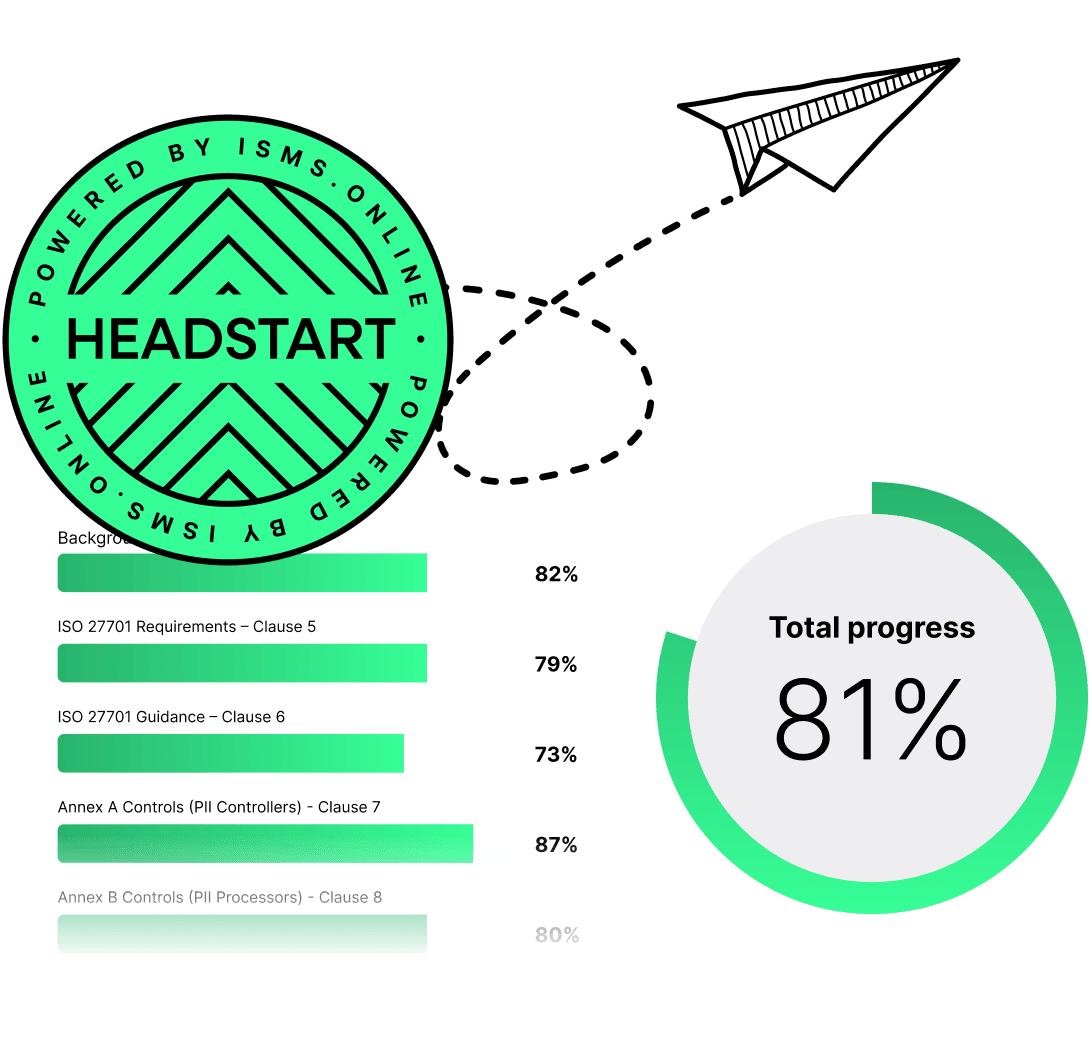
An 81% Headstart from day one
We’ve done the hard work for you, giving you an 81% Headstart from the moment you log on. All you have to do is fill in the blanks.
How Does ISO 27001:2022 Integrate with Business Objectives?
Strategic Integration of Risk Management
Embedding ISO 27001:2022 into your organisation’s strategic framework is not just a compliance exercise; it’s a strategic move that enhances efficiency and reduces costs. By integrating security practices into core operations, your organisation ensures that security measures directly support strategic objectives, fostering a proactive security culture.
Advantages of Strategic Alignment
Aligning risk management with strategic goals offers tangible benefits. It transforms security practices from reactive to proactive, supporting long-term business objectives. This alignment fosters a culture of security awareness, making risk management an integral part of decision-making. Consequently, your organisation can significantly reduce security incidents, bolstering business continuity and resilience.
The Importance of Integration for Success
Integrating ISO 27001:2022 with business objectives is crucial for success. It reduces security incidents and compliance costs, allowing for more effective resource allocation. This alignment enhances decision-making, enabling your organisation to adapt to changing environments and emerging threats. By aligning risk management with strategic goals, your security measures will support your overall business strategy, fostering a proactive security culture.
The strategic alignment of ISO 27001:2022 with business objectives not only enhances efficiency but also supports long-term success. By embedding security practices into core operations, your organisation ensures that security measures directly support strategic objectives, fostering a culture of security awareness and resilience.
Why Is Risk Assessment Essential in ISO 27001:2022?
Unveiling the Significance of Risk Evaluation
Risk assessment is foundational to the ISO 27001:2022 standard, serving as a critical mechanism for identifying and mitigating threats to information security. Through systematic evaluation, organisations can uncover vulnerabilities and implement robust controls, aligning security measures with business objectives to cultivate resilience.
Identifying Threats and Vulnerabilities
Effective risk assessment is essential for pinpointing potential threats and vulnerabilities. By analysing these risks, organisations can deploy targeted controls that minimise the likelihood and impact of security incidents. This strategic approach fortifies the overall security posture, contributing to a comprehensive information security management system (ISMS) as outlined in ISO 27001:2022 Clause 5.3.
The Advantages of Regular Risk Assessments
Regular risk assessments yield numerous benefits, including enhanced security posture and compliance with regulatory requirements. Organisations that engage in systematic evaluations often report a marked reduction in security incidents, underscoring the effectiveness of this approach in maintaining robust ISMS. These assessments also enable organisations to adapt to evolving environments and emerging threats, ensuring continuous improvement and alignment with strategic goals.
Best Practices for Effective Risk Assessment
To ensure effective risk assessment practices, organisations should adopt a structured approach encompassing regular evaluations, comprehensive threat analysis, and continuous monitoring. By utilising advanced tools and methodologies, organisations can refine their risk management processes, ensuring that security measures remain relevant and effective in the face of evolving challenges.
Incorporating these practices into your organisation’s security strategy not only strengthens defences but also positions you as a leader in information security management. Embrace the power of risk assessment to safeguard your assets and achieve long-term success.

Free yourself from a mountain of spreadsheets
Embed, expand and scale your compliance, without the mess. IO gives you the resilience and confidence to grow securely.
Timing and Frequency of Risk Evaluations
Conducting timely and frequent risk assessments is crucial for maintaining compliance with the ISO 27001:2022 standard. Regular evaluations not only help identify potential threats but also ensure your organisation remains proactive in its security posture.
Strategic Timing for Risk Assessments
Risk assessments should be strategically scheduled at key intervals, such as during major organisational changes, after significant security incidents, or when new threats emerge. This proactive approach aligns with ISO 27001:2022 requirements for continuous improvement (Clause 9.1).
Optimal Frequency for Risk Evaluations
Balancing the frequency of risk evaluations with organisational needs and resource availability is essential. Best practices suggest conducting assessments at least annually, with additional evaluations as needed based on changes in the threat landscape or business objectives. This ensures ongoing compliance and security.
Best Practices for Scheduling Risk Assessments
- Regular Intervals: Schedule assessments annually or biannually to maintain a consistent security posture.
- Event-Driven: Conduct assessments following significant changes or incidents.
- Resource Consideration: Balance the frequency of assessments with available resources to avoid overburdening your team.
Balancing Frequency and Resources
Organisations must balance the need for frequent assessments with resource constraints. Using tools like ISMS.online can streamline the process, allowing for efficient risk management without compromising thoroughness. Our platform offers automated solutions that align with ISO 27001:2022, ensuring your compliance journey is both efficient and effective.
By adhering to these best practices, your organisation can maintain a robust security posture, ensuring ongoing compliance with ISO 27001:2022. Embrace the power of regular risk assessments to safeguard your assets and support your strategic objectives.
Identifying and Overcoming Obstacles in Risk Analysis
Navigating Challenges in ISO 27001:2022 Risk Analysis
Organisations often encounter hurdles in ISO 27001:2022 risk analysis, particularly smaller entities grappling with complex and costly risk management tools. Aligning risk analysis with business objectives and resource allocation can be challenging, potentially hindering effective compliance and risk management.
Strategies for Overcoming Obstacles
To address these challenges, organisations should focus on simplifying processes and actively involving stakeholders. Streamlining risk management tools and methodologies can make them more accessible and cost-effective, especially for smaller entities. Engaging stakeholders ensures that risk analysis aligns with business objectives, fostering a culture of compliance and proactive risk management.
Effective Strategies for Addressing Risk Analysis Challenges
- Simplify Processes: Streamline risk management processes to enhance accessibility and reduce costs.
- Engage Stakeholders: Involve key stakeholders in risk analysis to ensure alignment with business objectives.
- Prioritise Resources: Allocate resources effectively to support risk management efforts.
Proactively Identifying and Addressing Challenges
Proactive identification and resolution of challenges are essential for enhancing compliance efforts. Regular risk assessments and continuous monitoring allow organisations to adapt to changing environments and emerging threats. This approach not only ensures compliance with ISO 27001:2022 but also strengthens the organisation’s overall security posture.
By addressing these challenges with strategic solutions, organisations can enhance their compliance efforts and achieve a robust security posture. This proactive approach ensures that risk analysis aligns with business objectives, supporting long-term success and resilience.

Manage all your compliance, all in one place
ISMS.online supports over 100 standards and regulations, giving you a single platform for all your compliance needs.
Can Automation Enhance ISO 27001:2022 Compliance?
Streamlining Compliance with Technology
Automation is transforming how organisations approach compliance with the ISO 27001:2022 standard. By simplifying processes and enhancing efficiency, automation reduces the complexity inherent in risk management and security practices. This technological advancement not only strengthens compliance efforts but also fortifies ongoing security measures.
The Role of Automation in Compliance
Automation tools are increasingly integral to compliance tasks, offering a streamlined approach to managing risk. These tools facilitate continuous monitoring of security measures, ensuring organisations remain aligned with ISO 27001:2022 requirements. By automating routine tasks, your organisation can focus on strategic initiatives, thereby enhancing its overall security posture.
Benefits of Technology in Risk Management
Technology plays a crucial role in risk management by providing real-time insights and analytics. Automation enables organisations to swiftly identify and respond to potential threats, thereby reducing the likelihood of security incidents. This proactive approach ensures that risk management practices are both efficient and effective, aligning with organisational objectives.
Enhancing Security Through Automation
Integrating automation into security practices ensures that security measures are consistently applied and monitored. Automation supports the implementation of controls outlined in Annex A of the ISO 27001:2022 standard, providing a robust framework for managing information security risks.
Effective Integration Strategies
To effectively integrate automation into compliance processes, organisations should focus on selecting tools and technologies that align with their specific needs. This includes evaluating the scalability and flexibility of automation solutions to ensure they can adapt to changing compliance requirements and business objectives.
Automation not only simplifies compliance tasks but also enhances security practices, making it an invaluable asset for organisations aiming to achieve ISO 27001:2022 certification. By embracing automation, your organisation can streamline compliance efforts, reduce complexity, and maintain a strong security posture.
Further Reading
Understanding the Advantages of ISO 27001:2022 Certification
Unveiling the Benefits of Certification
Achieving ISO 27001:2022 certification offers transformative benefits that extend beyond compliance. It fortifies organisational security by providing a structured framework for identifying and managing risks, leading to a reported 30% reduction in security incidents. This certification demonstrates a commitment to information security, building trust with stakeholders and reinforcing your organisation’s reputation.
Strengthening Security Through Certification
ISO 27001:2022 certification fortifies security by aligning risk management with business objectives. This alignment ensures that security measures are not only effective but also support strategic goals, fostering a proactive security culture. By implementing the controls outlined in Annex A, organisations can mitigate potential threats and vulnerabilities, enhancing their overall security posture.
Enhancing Reputation and Competitive Edge
Certification is a powerful tool for enhancing reputation and gaining a competitive edge. It signals to clients and partners that your organisation prioritises information security, which can be a decisive factor in business relationships. In a competitive market, demonstrating compliance with ISO 27001:2022 can differentiate your organisation, attracting new opportunities and fostering growth.
Maximising Certification Benefits
To fully capitalise on the benefits of ISO 27001:2022 certification, organisations should focus on continuous improvement and alignment with business goals. This involves regular risk assessments, ongoing monitoring, and adapting to emerging threats. By doing so, organisations not only maintain compliance but also enhance their security posture, supporting long-term success and resilience.
The insights gained from ISO 27001:2022 certification provide a foundation for strategic decision-making, ensuring that security measures are aligned with organisational objectives. This alignment not only enhances security but also strengthens reputation and competitive advantage, positioning your organisation for sustained success.
Implementing Continuous Monitoring and Improvement in ISO 27001:2022
How Organisations Can Implement Continuous Monitoring
Continuous monitoring is crucial for maintaining compliance and security within the ISO 27001:2022 framework. By integrating advanced technology and engaging stakeholders, organisations can ensure that security measures remain effective and adaptive to emerging threats. Regular assessments and improvements are essential for proactive risk identification and mitigation.
Effective Strategies for Sustaining Compliance and Security
To maintain compliance and security, organisations should adopt a structured approach that includes:
- Technology Integration: Employ automated tools for real-time monitoring and threat detection, ensuring timely responses to potential security incidents.
- Stakeholder Engagement: Involve key stakeholders in the compliance process to align security measures with organisational objectives and foster a culture of security awareness.
- Regular Assessments: Conduct periodic evaluations to identify vulnerabilities and assess the effectiveness of existing controls, ensuring continuous improvement.
The Role of Continuous Improvement in ISO 27001:2022 Success
Continuous improvement is a cornerstone of ISO 27001:2022, driving the effectiveness of security measures and compliance efforts. By fostering a culture of continuous improvement, organisations can:
- Enhance Security Posture: Regularly update and refine security controls to address evolving threats and vulnerabilities.
- Support Strategic Goals: Align security practices with business objectives, ensuring that compliance efforts contribute to organisational success.
- Foster Resilience: Build a robust security framework that adapts to changing environments and emerging challenges.
Ensuring the Effectiveness of Continuous Monitoring and Improvement Practices
To ensure the effectiveness of continuous monitoring and improvement practices, organisations should focus on:
- Feedback Loops: Implement mechanisms for collecting and analysing feedback to identify areas for enhancement and drive continuous improvement.
- Performance Metrics: Establish clear metrics to evaluate the success of monitoring and improvement efforts, ensuring alignment with ISO 27001:2022 requirements.
By adopting these strategies, organisations can maintain a strong security posture and achieve ongoing compliance with ISO 27001:2022. This proactive approach not only safeguards assets but also supports strategic objectives, positioning organisations for long-term success.
Why Choose ISMS.online for ISO 27001:2022 Solutions?
Discover the Benefits of Our Comprehensive Platform
Opting for ISMS.online means embracing a platform meticulously crafted to simplify compliance and risk management. Our robust features provide unparalleled support, ensuring your organisation meets the stringent requirements of the ISO 27001:2022 standard.
How We Support Compliance and Risk Management
We excel in automating compliance tasks, reducing the complexity of risk management processes. With features like templates, toolkits, and expert guidance, ISMS.online simplifies the journey to certification. This automation not only saves time but also enhances accuracy, allowing your team to focus on strategic initiatives.
Key Features of Our Platform
- Templates and Toolkits: Access a library of resources tailored to ISO 27001:2022, providing a structured approach to compliance.
- Expert Guidance: Benefit from insights and support from industry experts, ensuring your compliance efforts are on track.
- Automation: Streamline routine tasks, reducing the burden on your team and improving efficiency.
Enhancing Compliance Efforts
ISMS.online empowers your organisation to achieve successful certification by enhancing compliance efforts. Our platform’s intuitive design and robust features ensure that your compliance journey is both efficient and effective. By choosing ISMS.online, you’re not just meeting compliance requirements—you’re setting a new standard for information security management.
Unlock the potential of ISMS.online and transform your approach to ISO 27001:2022 compliance. Experience the benefits of a platform that prioritises your success and positions your organisation for long-term resilience.
Best Practices for Third-Party Risk Management
Ensuring Security in Supplier Relationships
Securing supplier relationships is crucial for ISO 27001:2022 compliance. Organisations can achieve this by implementing best practices that focus on security and compliance.
-
Conduct Regular Assessments: Evaluate third-party security measures to identify vulnerabilities. This proactive approach aligns with ISO 27001:2022’s continuous improvement requirements (Clause 9.1).
-
Foster Clear Communication: Maintain open communication with suppliers to ensure mutual understanding of security expectations. Transparency builds trust and accountability, essential for secure partnerships.
Effective Strategies for Managing Third-Party Risks
Building secure partnerships involves integrating third-party risk management into your ISMS. Key strategies include:
-
Adopt a Risk-Based Approach: Prioritise suppliers based on risk level and tailor security measures accordingly. This ensures efficient resource allocation, focusing on high-impact areas.
-
Implement Continuous Monitoring: Use automated tools to track supplier compliance and detect deviations. Real-time monitoring supports proactive risk management, enabling swift responses to threats.
Building Strong, Secure Partnerships with Suppliers
To build secure partnerships, organisations should:
-
Engage Stakeholders: Involve stakeholders in risk management to align with business objectives. This collaborative approach enhances decision-making and fosters security awareness.
-
Cultivate Trust-Based Relationships: Demonstrate commitment to security and compliance to build trust with suppliers. Trust is vital for maintaining long-term, secure partnerships.
By adopting these best practices, your organisation can enhance third-party risk management, ensuring ISO 27001:2022 compliance and safeguarding assets. Embrace secure partnerships to strengthen your security posture and achieve long-term success.
Experience ISMS.online: Book Your Personalised Demo
Revolutionary Compliance Solutions
Experience the revolutionary capabilities of ISMS.online by booking a personalised demo. Our platform is designed to streamline your ISO 27001:2022 compliance journey, offering unparalleled support tailored to your organisation’s unique needs.
Key Benefits of Our Platform
- Comprehensive Compliance Support: Our platform provides a structured approach to compliance, ensuring your organisation meets the stringent requirements of the ISO 27001:2022 standard.
- Automation and Efficiency: Simplify compliance tasks with automated processes, reducing complexity and freeing up resources for strategic initiatives.
- Expert Guidance: Gain insights from industry experts to ensure your compliance efforts are both effective and efficient.
Empower Your Security Posture
Choosing ISMS.online means embracing a comprehensive solution that enhances your organisation’s security posture. Our intuitive design and robust features empower you to achieve ISO 27001:2022 certification with confidence, positioning your organisation for long-term success.
Take the Next Step
Experience the revolutionary capabilities of ISMS.online by booking your demo today. Discover how our platform can support your compliance efforts, streamline your processes, and enhance your organisation's security measures. Elevate your compliance strategy and achieve your business objectives with ISMS.online.
Book a demoFrequently Asked Questions
Understanding the Core Concepts of Risk Analysis
Defining Risk Analysis in ISO 27001:2022
Risk analysis is a cornerstone of the ISO 27001:2022 standard, offering a structured methodology to identify, evaluate, and manage threats to information security. This process is crucial for organisations aiming to safeguard their assets and ensure compliance with international standards.
Significance in Information Security
Risk analysis plays a vital role in information security by pinpointing vulnerabilities and assessing their potential impact. By implementing targeted controls, organisations can effectively mitigate risks, aligning security measures with business objectives and fostering resilience.
Role in Compliance and Management
Compliance with the ISO 27001:2022 standard requires a systematic approach to risk management. Risk analysis is the backbone of an effective Information Security Management System (ISMS), ensuring that security practices are efficient and aligned with regulatory requirements. This alignment supports strategic decision-making and resource allocation, enhancing organisational efficiency.
Key Components of Risk Analysis
Effective risk analysis involves several key components:
- Risk Identification: Detecting potential threats and vulnerabilities that could impact information security.
- Risk Evaluation: Assessing the likelihood and impact of identified risks using qualitative and quantitative methods.
- Risk Treatment: Implementing controls to reduce the likelihood or impact of risks, as outlined in Annex A of the ISO 27001:2022 standard.
- Continuous Monitoring: Regularly reviewing and updating risk assessments to adapt to changing environments and emerging threats.
Aligning with Organisational Goals
Risk analysis is integral to aligning security measures with organisational goals. By prioritising risks based on their potential impact, organisations can allocate resources effectively and support strategic objectives. This alignment ensures that security practices are not only reactive but also proactive, contributing to long-term success and resilience.
Understanding the core concepts of risk analysis within the ISO 27001:2022 framework is essential for organisations seeking to enhance their security posture and achieve compliance. By integrating risk management with business objectives, organisations can ensure that their security measures support strategic goals, fostering a proactive security culture.
Exploring the Compliance Benefits of ISO 27001:2022
How ISO 27001:2022 Enhances Compliance
ISO 27001:2022 is a cornerstone for organisations aiming to establish robust compliance frameworks. By aligning risk management with strategic objectives, it offers a structured approach to safeguarding information assets. This alignment not only strengthens security measures but also ensures compliance efforts are seamlessly integrated into business operations.
Key Compliance Benefits
The ISO 27001:2022 standard provides several compliance benefits, including:
- Structured Risk Management: Establishes a comprehensive framework for identifying, assessing, and mitigating risks, ensuring security measures are both effective and efficient (Clause 5.3).
- Enhanced Security Practices: Encourages the implementation of best practices in information security, reducing the likelihood of security incidents and enhancing overall security posture.
- Continuous Improvement: Promotes regular assessments and updates to security measures, ensuring organisations remain resilient against emerging threats.
Importance of ISO 27001:2022 for Risk Management
Risk management is central to ISO 27001:2022, providing a systematic approach to identifying and addressing potential threats. By prioritising risks based on their potential impact, organisations can allocate resources effectively, supporting strategic objectives and fostering a proactive security culture. This approach not only enhances compliance but also strengthens the organisation’s ability to adapt to changing environments.
Maximising Compliance with ISO 27001:2022
To maximise compliance, organisations should integrate ISO 27001:2022 into their core operations. This involves regular risk assessments, continuous monitoring, and stakeholder engagement to ensure security measures align with business goals. By doing so, organisations can maintain a strong security posture, ensuring ongoing compliance and resilience.
ISO 27001:2022 offers a transformative approach to compliance, integrating risk management with business objectives to enhance security practices and support strategic goals. By embracing this standard, organisations can achieve a robust compliance framework that not only safeguards assets but also drives long-term success.
Understanding the Structure and Elements of ISO 27001:2022
ISO 27001:2022 offers a comprehensive framework for managing information security, crucial for protecting organisational assets. This standard emphasises a systematic approach to risk management, ensuring alignment with international regulations.
Key Components of ISO 27001:2022
-
Information Security Management System (ISMS): At the core of the standard, the ISMS provides a structured method for managing sensitive information, ensuring confidentiality, integrity, and availability (Clause 4.4).
-
Risk Assessment and Treatment: This process involves identifying, evaluating, and addressing risks to information security. Organisations can implement effective controls to mitigate identified risks (Clause 5.3).
-
Leadership and Commitment: The involvement of top management is crucial for establishing policies and ensuring resources are available for effective ISMS implementation (Clause 5.1).
-
Continuous Improvement: Regularly reviewing and updating the ISMS to adapt to changing environments and emerging threats is vital for fostering resilience and compliance (Clause 10.2).
Role in Risk Management
The components of ISO 27001:2022 are integral to risk management, offering a structured approach to identifying and mitigating potential threats. By aligning security measures with business objectives, organisations can prioritise risks based on their potential impact, ensuring efficient resource allocation.
Importance for Compliance
Compliance with ISO 27001:2022 is essential for organisations committed to information security. The standard’s components ensure that security measures are not only effective but also aligned with regulatory requirements, supporting strategic goals and fostering a proactive security culture.
Effective Implementation Strategies
To effectively implement ISO 27001:2022 components, organisations should integrate them into core operations. This involves engaging stakeholders, conducting regular risk assessments, and utilising technology to streamline compliance efforts. By doing so, organisations can maintain a robust security posture and achieve long-term success.
Why Is Continuous Monitoring Important in ISO 27001:2022?
The Role of Continuous Monitoring in Compliance
Continuous monitoring is integral to the ISO 27001:2022 standard, ensuring that security measures remain effective and adaptive. By consistently evaluating security protocols, organisations can maintain a robust Information Security Management System (ISMS) that responds to emerging threats.
Supporting Compliance with Continuous Monitoring
Real-time insights from continuous monitoring allow organisations to align with ISO 27001:2022 requirements effectively. This ongoing evaluation helps adapt to changes in the threat environment and regulatory landscape, demonstrating a commitment to a secure operational environment.
Benefits of Continuous Monitoring for Security
Beyond compliance, continuous monitoring enhances security by providing a comprehensive view of potential risks. This proactive approach enables organisations to address vulnerabilities before they escalate, aligning security measures with strategic business goals.
Implementing Effective Continuous Monitoring Practices
To implement continuous monitoring effectively, organisations should integrate advanced technologies and engage stakeholders. Automated tools for real-time threat detection ensure timely responses to security incidents, while stakeholder involvement fosters a culture of security awareness.
Embracing continuous monitoring within the ISO 27001:2022 framework not only strengthens security posture but also supports strategic objectives, ensuring compliance with international standards.
Understanding the Advantages of ISO 27001:2022 Certification
Transformative Benefits of Certification
Achieving ISO 27001:2022 certification offers profound benefits that extend well beyond mere compliance. This certification provides a structured framework for identifying and managing risks, significantly reducing security incidents. It demonstrates a steadfast commitment to information security, fostering trust with stakeholders and enhancing your organisation’s reputation.
Enhancing Security and Strategic Alignment
ISO 27001:2022 certification fortifies security by aligning risk management with business objectives. This alignment ensures that security measures are not only effective but also support strategic goals, fostering a proactive security culture. Implementing the controls outlined in Annex A allows organisations to mitigate potential threats and vulnerabilities, thereby enhancing their overall security posture.
Gaining a Competitive Edge
Certification serves as a powerful tool for enhancing reputation and gaining a competitive edge. It signals to clients and partners that your organisation prioritises information security, which can be a decisive factor in business relationships. In a competitive market, demonstrating compliance with ISO 27001:2022 differentiates your organisation, attracting new opportunities and fostering growth.
Maximising the Benefits of Certification
To fully harness the benefits of ISO 27001:2022 certification, organisations should focus on continuous improvement and alignment with business goals. This involves regular risk assessments, ongoing monitoring, and adapting to emerging threats. By doing so, organisations not only maintain compliance but also enhance their security posture, supporting long-term success and resilience.
The insights gained from ISO 27001:2022 certification provide a foundation for strategic decision-making, ensuring that security measures are aligned with organisational objectives. This alignment not only enhances security but also strengthens reputation and competitive advantage, positioning your organisation for sustained success.
Implementing ISO 27001:2022: Best Practices for Success
Ensuring Strategic Implementation
Implementing the ISO 27001:2022 standard requires a strategic approach that aligns with your organisation’s objectives. Begin with a comprehensive risk assessment to identify potential threats and vulnerabilities, ensuring that security measures align with both organisational goals and regulatory requirements (ISO 27001:2022 Clause 5.3).
Effective Strategies for Compliance and Risk Management
-
Engage Stakeholders: Involve key stakeholders in the implementation process to foster a culture of security awareness and accountability. This collaborative approach enhances decision-making and ensures that security measures support strategic goals.
-
Continuous Monitoring and Improvement: Establish a system for continuous monitoring and improvement to adapt to changing environments and emerging threats. Regular assessments and updates to security controls are essential for maintaining compliance and enhancing your security posture (ISO 27001:2022 Clause 10.2).
Overcoming Implementation Challenges
Organisations may face challenges such as resource constraints and aligning risk management with business objectives. To overcome these obstacles:
-
Prioritise Resource Allocation: Allocate resources effectively to support risk management efforts. Balance the frequency of risk assessments with available resources to avoid overburdening your team.
-
Simplify Processes: Streamline risk management processes to enhance accessibility and reduce costs, making compliance more achievable, particularly for smaller organisations.
By adopting these best practices, your organisation can ensure successful implementation of ISO 27001:2022, enhancing compliance and risk management efforts. Embrace the power of strategic implementation to safeguard your assets and achieve long-term success. Discover how ISMS.online can support your compliance journey with our comprehensive platform designed to streamline ISO 27001:2022 implementation.






