





































Discover the Integration of ISO 27001:2022 and Threat Intelligence
To bolster your organisation’s security posture, adopting a robust framework is essential. The ISO 27001:2022 standard offers precisely that by emphasising the integration of threat intelligence to enhance risk management strategies. This alignment with contemporary security challenges is recognised globally, and organisations are encouraged to transition to this standard by October 31, 2025.
What is the Purpose of ISO 27001:2022?
ISO 27001:2022 provides a comprehensive framework for establishing, implementing, and maintaining an Information Security Management System (ISMS). It sets a global benchmark for safeguarding sensitive data and ensuring compliance with security standards.
How Does Threat Intelligence Fit into ISO 27001?
Incorporating threat intelligence into ISO 27001 is crucial, as it offers real-time insights into potential threats. This integration empowers organisations to proactively manage risks, enhancing their ability to respond to emerging security challenges. By leveraging threat intelligence, companies can anticipate and mitigate risks before they escalate.
What are the Primary Goals of Integrating Threat Intelligence?
Integrating threat intelligence into ISO 27001 aims to:
– Enhance risk management by providing actionable insights into potential threats.
– Improve incident response times through real-time threat detection.
– Strengthen compliance with global security standards, ensuring a proactive security posture.
Benefits of ISO 27001:2022 for Compliance Officers
For compliance officers, ISO 27001:2022 offers a structured approach to managing information security risks. It provides a clear framework for aligning security practices with organisational goals, ensuring compliance with regulatory requirements. By integrating threat intelligence, compliance officers can enhance their organisation’s security strategy, making informed decisions based on real-time data.
How Can ISMS.online Help?
At ISMS.online, we offer a comprehensive platform designed to support your ISO 27001 journey. Our tools facilitate the integration of threat intelligence, helping you streamline your risk management processes. With our platform, compliance officers, CISOs, and CEOs can enhance their security strategies, ensuring robust protection against evolving threats. Book a demo today to discover how we can support your organisation's security needs.
Book a demoUnderstanding Threat Intelligence within ISO 27001 Framework
What Constitutes Threat Intelligence?
Threat intelligence systematically gathers, analyses, and applies information about potential threats to enhance security measures. It provides organisations with insights into vulnerabilities and emerging threats, enabling proactive risk management. Unlike traditional security measures, which often react to incidents, threat intelligence offers predictive insights, allowing for preemptive actions.
How is Threat Intelligence Applied in ISO 27001?
Within the ISO 27001 framework, threat intelligence is a critical component that informs risk management strategies. By integrating real-time threat data, organisations can enhance their ability to anticipate and mitigate risks. This proactive approach aligns with ISO 27001’s emphasis on continuous improvement and adaptability (ISO 27001:2022 Clause 5.3).
What are the Components of Threat Intelligence?
Threat intelligence comprises several components, including data collection, analysis, and dissemination. Sources range from open-source intelligence to proprietary databases, providing a comprehensive view of the threat landscape. By leveraging these components, organisations can tailor their security measures to address specific risks and vulnerabilities.
How Does Threat Intelligence Differ from Traditional Security Measures?
Traditional security measures typically focus on reactive responses to incidents. In contrast, threat intelligence offers a proactive and predictive approach, enabling organisations to anticipate threats before they materialise. This shift from reactive to proactive security is essential in today’s dynamic threat environment.
The integration of threat intelligence into ISO 27001 not only enhances risk management but also strengthens compliance with global security standards. By adopting a forward-thinking approach, organisations can ensure robust protection against evolving threats. This foundation sets the stage for exploring the practical applications of threat intelligence in enhancing organisational resilience.
ISO 27001 made easy
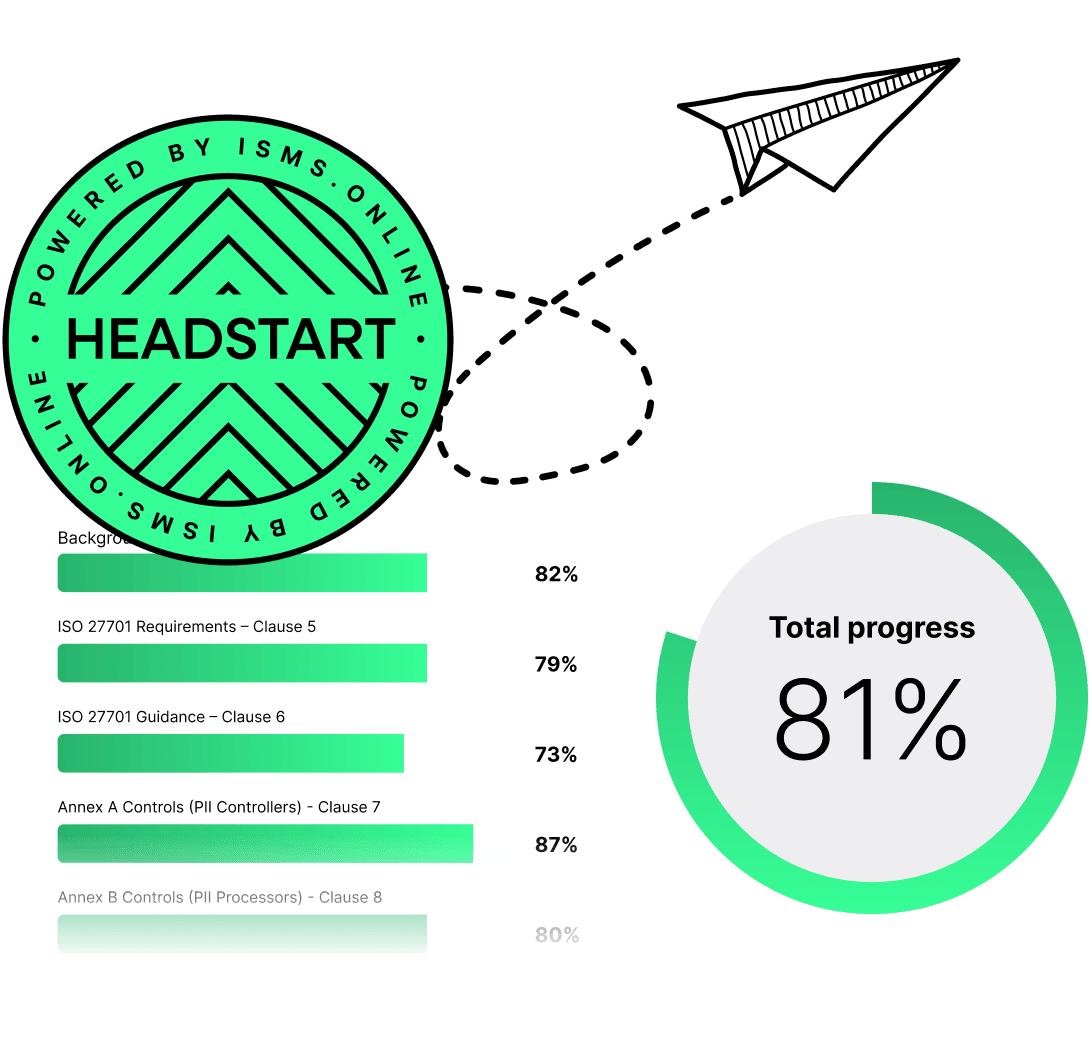
An 81% Headstart from day one
We’ve done the hard work for you, giving you an 81% Headstart from the moment you log on. All you have to do is fill in the blanks.
How Threat Intelligence Enhances Risk Management
Improving Risk Assessment
Threat intelligence revolutionises risk assessment by offering actionable insights into potential threats. This proactive approach enables organisations to foresee vulnerabilities, prioritise security measures, and allocate resources effectively. Real-time data analysis can reduce incident response time by 40%, significantly boosting risk management capabilities.
Role in Risk Mitigation
Incorporating threat intelligence into risk mitigation strategies empowers organisations to implement proactive security measures. By understanding potential threats’ nature and scope, businesses can update security protocols and strengthen defences before incidents occur. This foresight not only mitigates risks but also enhances overall resilience, maintaining a robust security posture.
Contribution to Informed Decision-Making
Threat intelligence provides valuable insights that inform decision-making processes. Analysing threat data allows organisations to make strategic decisions about resource allocation, security investments, and risk management priorities. This informed approach ensures that security efforts align with organisational goals, optimising both effectiveness and efficiency.
Long-Term Benefits for Organisations
Integrating threat intelligence into risk management offers substantial long-term benefits. Organisations can achieve sustained security improvements, enhanced compliance with global standards, and a stronger alignment between security practices and business objectives. By fostering a culture of proactive risk management, organisations can navigate the complexities of the threat landscape with confidence and agility.
The Significance of ISO 27001:2022 for Compliance Professionals
Responsibilities of Compliance Officers
Compliance officers are crucial in implementing ISO 27001:2022. They uphold the integrity of the Information Security Management System (ISMS) by conducting regular audits, performing risk assessments, and implementing corrective actions to address vulnerabilities. This proactive approach aligns with ISO 27001:2022’s emphasis on continuous improvement and adaptability (Clause 5.3).
Supporting Compliance Efforts
ISO 27001:2022 provides a structured framework that aligns with contemporary cybersecurity practices, facilitating the integration of threat intelligence. This alignment enables organisations to anticipate and mitigate risks effectively. By utilising this standard, compliance officers can streamline their efforts and focus on strategic initiatives that drive security enhancements.
Challenges and Solutions
Compliance officers often face challenges such as overwhelming requirements and evolving regulations. ISO 27001:2022 addresses these challenges by offering a comprehensive framework that simplifies compliance processes and enhances organisational security. By integrating threat intelligence, compliance officers can refine their organisation’s security strategy, making informed decisions based on real-time data.
Enhancing Security with ISO 27001
Integrating ISO 27001:2022 into risk management frameworks empowers compliance officers to enhance organisational security. By utilising threat intelligence, they can proactively identify and address potential threats, ensuring a robust security posture that aligns with global standards. This progression underscores the necessity of adapting these principles to changing circumstances. Building on this foundation, the following section explores actionable frameworks for implementation.

Free yourself from a mountain of spreadsheets
Embed, expand and scale your compliance, without the mess. IO gives you the resilience and confidence to grow securely.
How to Implement Threat Intelligence in the ISO 27001 Framework
Steps to Integrate Threat Intelligence
Evaluate Current Capabilities: Begin by assessing your organisation’s existing threat intelligence processes. Identify strengths and areas for improvement to establish a baseline for integration.
Equip with the Right Tools: Choose platforms that align with your security objectives and integrate seamlessly with existing systems. This alignment is crucial for maintaining a cohesive security strategy (ISO 27001:2022 Clause 8.2).
Utilise Advanced Platforms: Employ advanced threat intelligence platforms to automate data aggregation and analysis. These tools provide real-time insights, enabling proactive risk management. Ensure your team is trained to use these resources effectively.
Avoid Common Pitfalls: Ensure threat intelligence is embedded into your overall security framework. Regularly review and update strategies to adapt to evolving threats, maintaining a robust defence posture.
Practical Insights for Successful Integration
- Assess Capabilities: Conduct a thorough evaluation of current threat intelligence processes to identify strengths and weaknesses.
- Select Appropriate Tools: Choose platforms that offer comprehensive data analysis and integration capabilities.
- Train Your Team: Ensure your team is equipped with the knowledge and skills to utilise threat intelligence effectively.
- Regular Reviews: Continuously assess and refine your threat intelligence strategies to stay ahead of potential threats.
By following these steps, your organisation can seamlessly integrate threat intelligence into the ISO 27001 framework, enhancing your security posture and ensuring compliance with global standards. Embrace this proactive approach to risk management and fortify your defences against emerging threats.
Advantages of Integrating Threat Intelligence in ISO 27001
Primary Benefits of Integration
Integrating threat intelligence into the ISO 27001 framework offers a strategic advantage by providing a comprehensive view of potential threats. This integration empowers your organisation to significantly enhance its security posture. By incorporating real-time threat data, you can proactively manage risks, ensuring a robust defence against emerging challenges.
Improvement in Security Posture
Integrating threat intelligence transforms your organisation’s approach to security. By gaining insights into the threat environment, you can fortify defences and respond swiftly to potential risks. This proactive stance not only mitigates vulnerabilities but also strengthens the overall security framework, aligning with ISO 27001’s emphasis on continuous improvement (ISO 27001:2022 Clause 5.3).
Impact on Risk Management
Incorporating threat intelligence into risk management processes enhances decision-making and strategic planning. Your organisation can prioritise security measures and allocate resources effectively, leading to a more robust risk management framework. This alignment with ISO 27001 ensures that security efforts are both effective and efficient, optimising your ability to manage risks.
Contribution to Organisational Resilience
The integration of threat intelligence fosters organisational resilience by enabling a proactive approach to potential threats. This strategy ensures that security measures are not only reactive but also anticipatory, adapting to the evolving threat environment. By embedding threat intelligence into the ISO 27001 framework, your organisation can cultivate a culture of resilience, ensuring long-term security and compliance.
Understanding these benefits sets the stage for exploring practical applications of threat intelligence in enhancing organisational resilience. By applying these insights, your organisation can navigate the complexities of the threat environment with confidence and agility.

Manage all your compliance, all in one place
ISMS.online supports over 100 standards and regulations, giving you a single platform for all your compliance needs.
Overcoming Challenges in Threat Intelligence Integration
Navigating Data Overload and System Integration
Organisations frequently face the dual challenge of data overload and system integration when implementing threat intelligence. This can result in analysis paralysis, where the sheer volume of data becomes overwhelming. To address this, it’s essential to employ advanced data filtering techniques and prioritise actionable insights. This approach not only streamlines processes but also enhances decision-making capabilities.
Leadership’s Role in Surmounting Obstacles
Leadership is crucial in overcoming these challenges. By fostering a culture of continuous improvement, leaders can drive the successful integration of threat intelligence. Encouraging cross-functional collaboration and investing in training initiatives ensures teams remain agile and responsive to evolving threats. This proactive approach aligns with ISO 27001’s emphasis on adaptability and resilience (ISO 27001:2022 Clause 5.3).
Ensuring Continuous Improvement
Continuous improvement is vital for maintaining an effective threat intelligence strategy. Regularly updating threat intelligence processes and integrating feedback loops can help organisations stay ahead of potential threats. By leveraging real-time data and adapting strategies, businesses can enhance their security posture and ensure compliance with global standards.
Strategies for Successful Integration
To achieve successful integration, organisations should focus on regular training and updates to threat intelligence processes. This involves equipping teams with the necessary tools and resources to effectively analyse and respond to threats. Additionally, fostering a culture of innovation and adaptability can drive continuous improvement and ensure long-term success.
Addressing these challenges provides the catalyst for meaningful progress in threat intelligence integration, setting the stage for exploring actionable frameworks for implementation.
Further Reading
Exploring Tools and Platforms for Threat Intelligence
Identifying Leading Threat Intelligence Tools
In the field of cybersecurity, advanced tools are indispensable for processing and analysing threat data. These platforms provide organisations with real-time insights, enabling proactive risk management in line with ISO 27001:2022’s continuous improvement ethos (Clause 5.3).
Facilitating Seamless Integration
When selecting threat intelligence tools, integration capabilities are essential. These platforms must integrate seamlessly with existing security systems, ensuring enhanced defences without disrupting operations. This integration is crucial for maintaining a cohesive security strategy and compliance with ISO 27001:2022 (Clause 8.2).
Key Criteria for Tool Selection
Organisations should consider several criteria when selecting threat intelligence tools:
- Scalability: The tool must accommodate growing data volumes and complexity.
- Integration: Seamless integration with existing systems is essential.
- User-Friendliness: An intuitive interface ensures effective utilisation by security teams.
These criteria ensure that selected tools meet current needs and adapt to future requirements, providing a robust foundation for proactive threat management.
Adapting to Emerging Threats
Threats are constantly evolving, necessitating tools that adapt to address new vulnerabilities. Leading platforms are continuously updated to ensure organisations remain protected, aligning with ISO 27001:2022’s emphasis on continuous improvement.
Understanding the tools and platforms that support threat intelligence is crucial for enhancing an organisation’s security strategy. By selecting the right tools and ensuring seamless integration, organisations can fortify their defences against emerging threats and maintain compliance with global standards.
Evaluating the Impact of Threat Intelligence Integration
Metrics for Evaluating Effectiveness
To gauge the effectiveness of threat intelligence within the ISO 27001 framework, focus on specific metrics. Key performance indicators (KPIs) such as incident response time and threat detection rates are essential for assessing risk management strategies. These metrics provide a quantitative basis for evaluating how well threat intelligence enhances security measures.
Tracking Progress and KPIs
Regularly monitoring KPIs helps identify areas for improvement. Analysing trends in threat detection rates and incident response times allows organisations to pinpoint strengths and weaknesses in their security posture. This ongoing evaluation ensures that threat intelligence efforts remain aligned with organisational goals and compliance requirements.
Role of Feedback in Improvement
Feedback is crucial in refining threat intelligence strategies. Regular feedback loops enable organisations to adapt to evolving threats by incorporating insights from security incidents and stakeholder input. This iterative process fosters a culture of continuous improvement, ensuring that threat intelligence efforts are both proactive and responsive.
Continuous Assessment Strategies
Continuous assessment is vital for maintaining an effective threat intelligence programme. Implementing regular reviews and updates to processes, using real-time data to stay ahead of potential threats, is essential. This dynamic approach aligns with ISO 27001’s emphasis on adaptability and resilience (ISO 27001:2022 Clause 5.3).
By integrating these strategies, organisations can effectively measure the impact of threat intelligence on their risk management efforts. This comprehensive evaluation not only enhances security posture but also ensures compliance with global standards, positioning organisations to navigate the complexities of the threat environment with confidence.
Enhancing Incident Response with Threat Intelligence
How Does Threat Intelligence Aid in Incident Detection?
Threat intelligence equips organisations with early warnings, enabling swift detection of potential threats. Utilising real-time data, your company can identify vulnerabilities and anticipate attacks, ensuring a proactive security stance. This foresight allows for rapid threat mitigation, significantly reducing breach risks.
What Impact Does Threat Intelligence Have on Response Time?
Integrating threat intelligence into incident response plans enhances response time by offering actionable insights. This streamlines efforts, ensuring rapid containment and resolution of incidents, thereby minimising downtime and reducing the impact on business operations.
How Can Organisations Integrate Threat Intelligence into Response Plans?
To effectively integrate threat intelligence, embed it into incident response frameworks. Align threat data with response protocols for a coordinated incident management approach. By incorporating threat intelligence, your organisation can respond to threats in real-time, maintaining a robust security posture.
What Are the Long-Term Benefits of Improved Incident Response?
Enhanced incident response capabilities offer long-term benefits, including sustained security improvements, compliance with global standards, and alignment between security practices and business objectives. By fostering proactive risk management, your business can confidently navigate complex threat environments.
This comprehensive approach to incident response sets the stage for exploring actionable frameworks for implementation, ensuring your organisation remains resilient against evolving threats.
Strategies for Ongoing Enhancement of Threat Intelligence
Best Practices for Continuous Improvement
Maintaining a robust security posture requires a commitment to continuous improvement in threat intelligence. Regularly updating processes and training your team ensures they are equipped to handle emerging threats, fostering a culture of adaptability and resilience.
- Skill Development: Keep your team updated with the latest skills to effectively manage new threats.
- Process Refinement: Continuously enhance threat intelligence processes to anticipate potential risks.
- Flexible Security: Encourage a dynamic approach to security, allowing your organisation to pivot as threats evolve.
Sustaining Momentum and Training
To sustain momentum in threat intelligence efforts, it’s crucial to set clear goals and regularly review progress. This proactive approach ensures your organisation remains vigilant in its security measures.
- Objective Setting: Define clear goals for your threat intelligence initiatives.
- Progress Evaluation: Regularly assess progress to identify improvement areas.
- Ongoing Education: Invest in continuous training to keep your team informed and prepared.
Adapting to New Threats
In cybersecurity, adaptability is key. Organisations must be ready to adjust strategies in response to new threats.
- Threat Surveillance: Utilise advanced tools to monitor emerging threats and adjust strategies accordingly.
- Strategic Shifts: Be prepared to adapt your approach based on the latest threat intelligence data.
- Lifelong Learning: Foster a culture of continuous learning to ensure your team remains agile and responsive.
By implementing these strategies, your organisation can enhance its threat intelligence capabilities and maintain a strong security posture. Our platform at ISMS.online provides the tools and resources needed to support these efforts, empowering your team to confidently navigate complex threat environments.
Book a Demo with ISMS.online
Why Schedule a Demo?
Uncover the transformative potential of ISMS.online as it seamlessly integrates threat intelligence into your ISO 27001 framework. Our platform delivers bespoke solutions tailored to your organisation’s unique needs, ensuring compliance and enhancing risk management processes.
Discover Tailored Solutions
- Strengthen Your Security Strategy: Our platform offers comprehensive tools to streamline risk management, aligning with ISO 27001:2022.
- Explore Customised Solutions: Collaborate with our experts to tailor solutions that meet your specific security requirements.
Learn from Industry Experts
Our seasoned professionals bring extensive experience in threat intelligence integration. By booking a demo, you’ll gain valuable insights into best practices and strategies that can elevate your organisation’s security posture.
Take the Next Step
Ready to advance your security strategy? Schedule a personalised demo with ISMS.online today. Experience firsthand how our solutions can enhance your organisation's ability to manage risks and stay ahead of potential threats.
Book a demoFrequently Asked Questions
How Does ISO 27001:2022 Support Threat Intelligence Integration?
Understanding ISO 27001’s Role in Threat Intelligence
ISO 27001:2022 plays a critical role in embedding threat intelligence into risk management frameworks. By offering a structured approach, it empowers organisations to manage risks proactively and strengthen their security posture. This integration is crucial for compliance officers who align security practices with regulatory requirements.
Overview of ISO 27001:2022
ISO 27001:2022 provides a robust framework for establishing, implementing, and maintaining an Information Security Management System (ISMS). It sets a global benchmark for safeguarding sensitive data and ensuring compliance with security standards. The standard’s focus on continuous improvement and adaptability makes it ideal for organisations enhancing their security measures.
Role in Threat Intelligence Integration
Threat intelligence is integral to ISO 27001, offering real-time insights into potential threats. This integration enables organisations to anticipate and mitigate risks before they escalate, enhancing their ability to respond to emerging security challenges. By embedding threat intelligence into the ISMS, companies maintain a proactive stance against evolving threats.
Benefits for Risk Management
Integrating threat intelligence within the ISO 27001 framework offers several advantages:
- Enhanced Risk Management: Organisations gain real-time insights into potential threats, enabling them to prioritise security measures and allocate resources efficiently.
- Improved Incident Response: By utilising threat intelligence, businesses can reduce incident response times and minimise the impact of security breaches.
- Strengthened Compliance: The integration supports compliance officers in aligning security practices with regulatory requirements, ensuring adherence to global standards.
How Does ISO 27001:2022 Align with Modern Security Needs?
ISO 27001:2022 aligns with modern security needs by incorporating threat intelligence into the decision-making process. This approach allows organisations to identify vulnerabilities and address them proactively, reducing the likelihood of successful attacks. By fostering a culture of continuous improvement, ISO 27001 ensures that security measures remain effective and adaptable to changing threat environments (ISO 27001:2022 Clause 5.3).
ISO 27001:2022 plays a crucial role in supporting threat intelligence integration, offering a comprehensive framework for enhancing risk management and compliance. By aligning with modern security needs, this standard empowers organisations to navigate the complexities of the threat environment with confidence.
Addressing Challenges in Implementing ISO 27001:2022
Navigating Implementation Challenges
Implementing the ISO 27001:2022 standard involves overcoming several hurdles. Organisations often grapple with complex compliance requirements and the integration of threat intelligence into existing frameworks. Ensuring stakeholder alignment with new processes and adapting to the standard’s ethos of continuous improvement can also be demanding.
Strategic Solutions for Overcoming Challenges
To effectively implement ISO 27001:2022, organisations should prioritise strategic planning and resource allocation. Establishing clear objectives and timelines streamlines the process. Utilising advanced tools and platforms to automate data collection and analysis is crucial for integrating threat intelligence effectively. Regular training and updates ensure teams remain informed and capable of adapting to evolving threats (ISO 27001:2022 Clause 7.2).
Leadership’s Crucial Role
Leadership plays a pivotal role in the successful implementation of ISO 27001:2022. Leaders must cultivate a culture of continuous improvement and adaptability, encouraging cross-functional collaboration and innovation. By providing clear direction and support, leadership ensures all stakeholders are engaged and committed to the organisation’s security objectives. This alignment is vital for maintaining a cohesive security strategy (ISO 27001:2022 Clause 5.1).
Ensuring Long-Term Success
Achieving long-term success with ISO 27001:2022 requires a commitment to continuous improvement and adaptability. Organisations should establish feedback loops to regularly assess and refine their security strategies. By leveraging real-time data and insights, businesses can stay ahead of potential threats and maintain compliance with global standards. This proactive approach not only enhances security posture but also aligns with organisational goals, ensuring sustained success.
Incorporating these strategies empowers organisations to navigate the complexities of ISO 27001:2022 implementation with confidence and resilience, ensuring robust protection against evolving threats.
How Can Threat Intelligence Enhance Compliance Efforts?
Strengthening Compliance through Threat Intelligence
Integrating threat intelligence into compliance frameworks fortifies an organisation’s ability to meet regulatory standards. By offering real-time insights into potential threats, organisations can proactively manage risks, aligning with ISO 27001’s focus on continuous improvement (ISO 27001:2022 Clause 5.3). This approach ensures compliance measures are both reactive and anticipatory, adapting to evolving security challenges.
Enhancing Security Measures
Threat intelligence provides a comprehensive view of the threat environment, enabling organisations to prioritise security protocols and allocate resources effectively. By understanding the nature and scope of potential threats, businesses can bolster their security posture, ensuring compliance with global standards. This insight facilitates the implementation of robust defences, aligning with ISO 27001’s framework for risk management.
Advancing Risk Management
Integrating threat intelligence into risk management processes enhances decision-making and strategic planning. Organisations can identify vulnerabilities, assess risks, and implement targeted security measures, leading to a more resilient risk management framework. This alignment with ISO 27001 ensures that security efforts are both effective and efficient, optimising the organisation’s ability to manage risks.
Empowering Compliance Officers
For compliance officers, threat intelligence offers valuable insights that inform decision-making processes. By analysing threat data, they can make strategic decisions about resource allocation, security investments, and risk management priorities. This informed approach ensures that security efforts align with organisational goals, optimising both effectiveness and efficiency.
Threat intelligence plays a crucial role in enhancing compliance efforts by providing actionable insights, supporting security measures, and contributing to effective risk management. By leveraging these insights, organisations can navigate the complexities of the threat environment with confidence and agility.
Exploring Tools for Effective Threat Intelligence
Leading Tools for Integration
Selecting effective threat intelligence tools is crucial for embedding them into your security framework. Platforms like ThreatConnect and Recorded Future deliver comprehensive solutions, offering real-time insights that bolster your organisation’s security posture.
Facilitating Seamless Integration
By automating data collection and analysis, these platforms embed threat intelligence seamlessly into your risk management processes. This alignment with ISO 27001:2022 supports proactive risk management and real-time threat detection (Clause 5.3).
Key Criteria for Tool Selection
When evaluating threat intelligence tools, consider:
- Scalability: Tools must grow with your organisation’s needs.
- Integration Capabilities: Opt for platforms that integrate seamlessly with existing systems.
- User-Friendliness: Choose tools with intuitive interfaces for effective utilisation.
These criteria ensure tools meet current needs and adapt to future requirements, providing a robust foundation for proactive threat management.
Adapting to New Threats
As threats evolve, so must the tools that protect against them. Leading platforms continuously update to address new vulnerabilities, ensuring your organisation remains protected. This adaptability is essential for maintaining a robust security posture and aligns with ISO 27001:2022’s emphasis on continuous improvement.
By understanding the tools and platforms that support threat intelligence, your organisation can enhance its security strategy and fortify defences against emerging threats. Selecting the right tools and ensuring seamless integration are essential steps in maintaining compliance with global standards and navigating the complexities of the threat environment with confidence.
Evaluating the Impact of Threat Intelligence
Strategic Metrics for Evaluation
To gauge the effectiveness of threat intelligence, organisations must adopt a strategic approach. Key performance indicators (KPIs) such as incident response time, threat detection rates, and false positive reduction are critical metrics. These indicators offer a quantitative foundation for assessing threat intelligence efforts, ensuring they align with organisational goals and compliance mandates (ISO 27001:2022 Clause 9.1).
Monitoring Progress Through KPIs
Continuous monitoring of KPIs is essential for identifying improvement areas. By analysing trends in threat detection and response times, organisations can uncover strengths and weaknesses in their security posture. This ongoing evaluation ensures that threat intelligence efforts remain aligned with strategic objectives, optimising resource allocation and enhancing overall security.
The Role of KPIs in Strategic Alignment
KPIs are indispensable tools for evaluating the effectiveness of threat intelligence initiatives. They provide measurable insights into how well threat intelligence enhances risk management strategies. By focusing on metrics such as coverage, return on investment (ROI), and false positive rates, organisations can refine their approaches and ensure that security efforts are both effective and efficient.
Leveraging Feedback for Continuous Improvement
Feedback loops are crucial for refining threat intelligence strategies. Regular feedback from security incidents and stakeholder input allows organisations to adapt to evolving threats. This iterative process fosters a culture of continuous improvement, ensuring that threat intelligence efforts are proactive and responsive to the dynamic threat landscape.
Continuous Assessment for Robust Security
Continuous assessment is vital for maintaining an effective threat intelligence programme. Organisations should implement regular reviews and updates to their processes, using real-time data to stay ahead of potential threats. This dynamic approach aligns with ISO 27001’s emphasis on adaptability and resilience, ensuring that security measures remain robust and effective.
Enhancing Incident Response with Threat Intelligence
Detecting Threats with Precision
Integrating threat intelligence into your incident response framework equips your organisation with the foresight to identify threats before they escalate. By utilising real-time data, you can pinpoint vulnerabilities and anticipate attacks, ensuring a proactive security stance. This capability allows for swift identification and mitigation of threats, reducing the likelihood of successful breaches.
Accelerating Response Time
Incorporating threat intelligence significantly enhances response time by providing actionable insights that streamline response efforts. Your organisation can rapidly contain and resolve incidents, minimising downtime and reducing the impact of security breaches on business operations. This efficiency is crucial for maintaining operational continuity and safeguarding sensitive data.
Seamless Integration into Response Plans
To effectively integrate threat intelligence, embed it within your incident response frameworks. Align threat data with response protocols to ensure a coordinated approach to incident management. By incorporating threat intelligence into response plans, you can enhance your ability to respond to threats in real-time, maintaining a robust security posture.
Long-Term Benefits of Enhanced Response
Improved incident response capabilities offer numerous long-term benefits, including sustained security improvements and enhanced compliance with global standards. Your organisation can achieve a stronger alignment between security practices and business objectives, fostering a culture of proactive risk management. This approach enables you to navigate the complexities of the threat environment with confidence and agility.
By embracing these strategies, your organisation can enhance its incident response capabilities and maintain a strong security posture. Our platform at ISMS.online provides the tools and resources needed to support these efforts, empowering your team to navigate the complexities of the threat landscape with confidence.






