





































Understanding Vendor Risk Assessments for ISO 27001 Compliance
Vendor risk assessments are crucial in safeguarding your organisation’s sensitive information and achieving ISO 27001 compliance. These assessments transcend regulatory requirements, serving as strategic tools that bolster your organisation’s resilience against potential threats. Given the prevalence of data breaches due to third-party vendors, the necessity of robust vendor risk assessments becomes undeniable.
Why Vendor Risk Assessments Matter
Vendor risk assessments are pivotal in identifying and mitigating risks associated with third-party vendors. By evaluating vendors’ security measures, you ensure compliance with ISO 27001 standards (Clause 5.3), thereby protecting your organisation’s information assets. These assessments significantly enhance overall information security by identifying vulnerabilities and implementing controls to address them.
Key Objectives and Benefits
Conducting vendor risk assessments offers several key benefits:
– Enhanced Security: Identify potential risks and implement measures to protect sensitive data.
– Compliance Assurance: Ensure vendors adhere to ISO 27001 requirements, reducing non-compliance risks.
– Organisational Resilience: Strengthen your organisation’s ability to withstand disruptions by reducing compliance-related incidents.
How ISMS.online Can Assist
Our platform, ISMS.online, provides comprehensive tools and resources to streamline your vendor risk assessment process. By automating compliance tasks and offering real-time monitoring, we help you maintain continuous oversight of your vendors' security postures. This not only simplifies your compliance efforts but also enhances your organisation's resilience.
Explore our detailed guide on performing vendor risk assessments and discover how ISMS.online can support your compliance journey. Take the next step in safeguarding your organisation's information security by booking a demo with us today.
Book a demoUnderstanding ISO 27001:2022 Requirements for Vendor Risk Assessments
Key Requirements of ISO 27001:2022
ISO 27001:2022 mandates integrating third-party risk management within the ISMS framework. This ensures vendor risk assessments align with a comprehensive information security approach. Compliance requires detailed documentation of risk assessments and treatment plans, addressing modern challenges like threat intelligence and data leakage prevention (Clause 5.3).
Impact on Risk Assessment Process
The standard necessitates a structured evaluation of vendor risks. Organisations must identify potential threats, assess their impact, and implement controls to mitigate them. This structured process fortifies your organisation’s security posture, safeguarding sensitive information from third-party vulnerabilities.
Necessary Documentation for Compliance
To comply with ISO 27001:2022, maintain comprehensive documentation, including risk assessments, treatment plans, and continuous monitoring activities. This documentation serves as evidence of adherence to the standard and supports audits and reviews.
Ensuring Effective Compliance
Align vendor risk assessments with ISO 27001:2022 by integrating risk management practices into the ISMS framework. Regularly update documentation and continuously monitor vendor performance. By doing so, your organisation can address industry-specific challenges and safeguard against potential threats.
Recognising these foundational elements is crucial for identifying key risk factors, tailoring assessments to industry-specific challenges, and safeguarding against potential threats.
ISO 27001 made easy
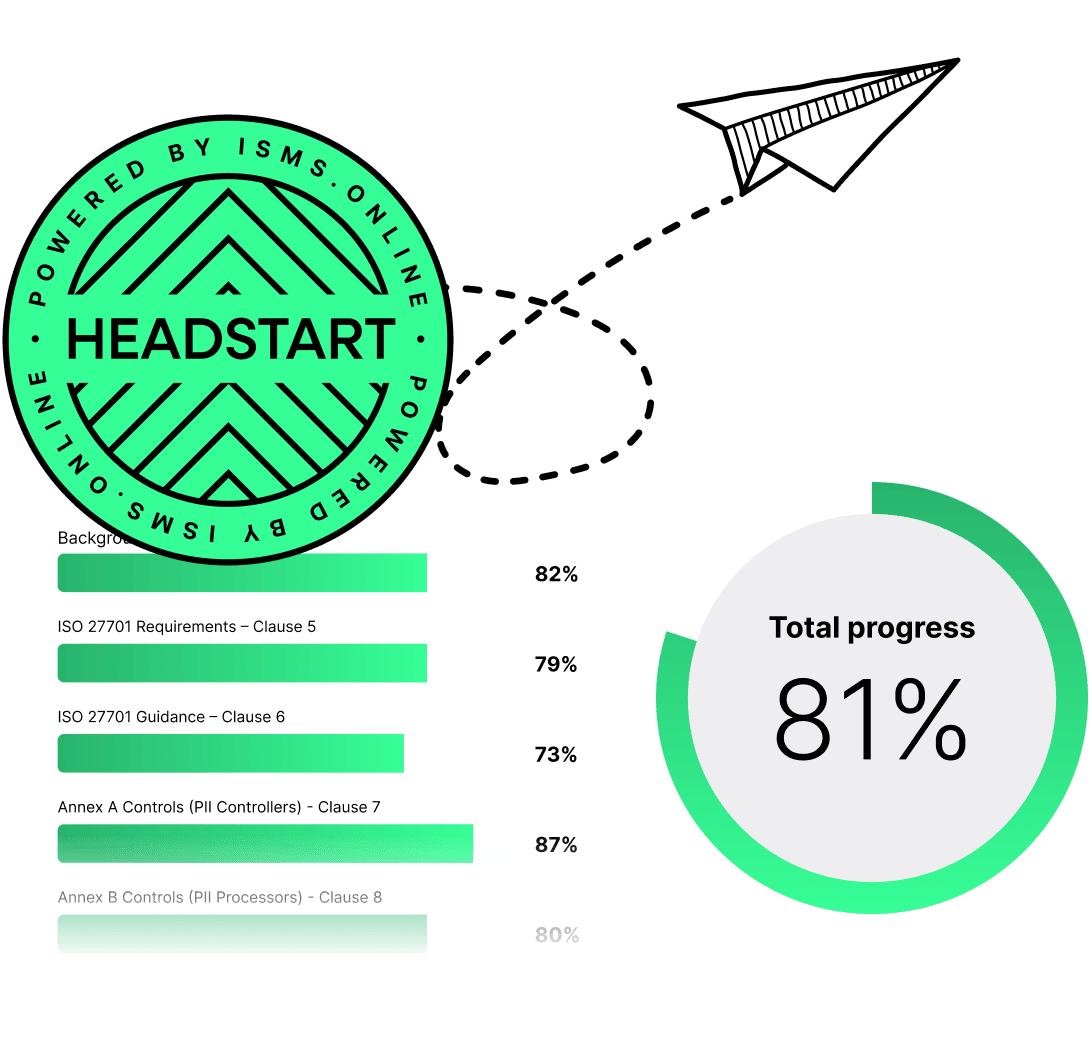
An 81% Headstart from day one
We’ve done the hard work for you, giving you an 81% Headstart from the moment you log on. All you have to do is fill in the blanks.
How to Identify Key Risk Factors in Vendor Assessments
Understanding the risk factors associated with vendor assessments is crucial for safeguarding your organisation’s information security and ensuring compliance with the ISO 27001 standard. This process involves pinpointing potential vulnerabilities that vendors might introduce.
Common Risk Factors
Vendor assessments often uncover several prevalent risk factors:
- Data Breaches: Unauthorised access to sensitive data poses a significant threat.
- Non-compliance with Security Standards: Vendors failing to meet established security protocols can create vulnerabilities.
- Inadequate Data Protection Measures: Insufficient safeguards can lead to data exposure.
Effective Risk Identification Process
To effectively identify these risks, organisations should adopt a structured approach:
- Evaluate Vendor Security Measures: Assess the vendor’s compliance with ISO 27001 standards (Clause 5.3).
- Identify Potential Threats: Utilise tools like AI and machine learning to detect security threats from vendors.
- Tailor Risk Identification: Recognise that risk factors vary across industries, necessitating customised processes.
Tools and Techniques for Risk Identification
Several tools and techniques can aid in this process:
- Automated Risk Assessment Platforms: These provide real-time insights into vendor security postures.
- Industry-Specific Risk Considerations: Tailor risk identification processes to address unique challenges in different sectors.
Industry-Specific Risk Considerations
Different industries face unique challenges in vendor risk management. For instance, the healthcare sector prioritises data privacy and patient confidentiality, while the financial industry focuses on regulatory compliance and fraud prevention. Tailoring risk identification processes to address these industry-specific threats is crucial for effective vendor assessments.
Recognising these risk factors empowers organisations to tailor their approach to industry-specific threats. This understanding naturally leads to the creation of a comprehensive risk assessment framework, which serves as the backbone for consistent and effective vendor evaluations.
Developing a Risk Assessment Framework
Crafting a Comprehensive Risk Assessment Framework
Creating a robust risk assessment framework is essential for evaluating vendor risks and aligning with the ISO 27001 standard. This framework should encompass several critical components:
- Risk Identification: Identify potential threats and vulnerabilities that could impact your organisation.
- Risk Assessment: Evaluate the likelihood and impact of identified risks, ensuring a thorough understanding of potential consequences.
- Risk Mitigation: Implement controls to reduce or eliminate risks, safeguarding your organisation’s assets.
- Continuous Monitoring: Regularly review and update risk assessments to adapt to evolving security threats and maintain compliance (ISO 27001:2022 Clause 5.3).
Tailoring the Framework to Your Organisation’s Needs
Customising the framework to your organisation’s unique needs ensures alignment with specific risk profiles and compliance requirements. Consider the following:
- Industry-Specific Risks: Identify risks pertinent to your sector, ensuring the framework addresses these unique challenges.
- Compliance Requirements: Align the framework with ISO 27001 standards and other relevant regulations to ensure comprehensive coverage.
- Organisational Objectives: Integrate the framework with your strategic goals and risk tolerance, ensuring it supports your broader mission.
Best Practices for Framework Development
Adopting best practices enhances the effectiveness of your risk assessment framework:
- Regular Updates: Continuously refine the framework to address new threats and changes in the regulatory environment.
- Stakeholder Involvement: Engage key stakeholders in the development process to ensure comprehensive risk coverage.
- Technology Integration: Utilise tools and technologies to streamline assessments and enhance accuracy.
Enhancing Risk Assessment Outcomes with a Well-Structured Framework
A well-structured framework not only streamlines vendor risk assessments but also ensures consistency and reliability in outcomes. By integrating best practices and tailoring the framework to organisational needs, you can effectively manage vendor risks and maintain compliance with ISO 27001.
To optimise a risk assessment framework, it’s crucial to employ the right tools and technologies that can streamline the process, enhance accuracy, and provide actionable insights. The upcoming exploration of these tools will reveal how technology integration can significantly elevate the efficiency and effectiveness of vendor risk assessments.

Free yourself from a mountain of spreadsheets
Embed, expand and scale your compliance, without the mess. IO gives you the resilience and confidence to grow securely.
Selecting the Right Tools for Vendor Risk Assessments
Optimal Tools for Vendor Risk Assessments
Choosing effective tools for vendor risk assessments is crucial for maintaining compliance with the ISO 27001 standard. These tools streamline the assessment process, offering real-time insights and enhancing accuracy. Automation tools, for instance, significantly reduce manual effort and boost efficiency. They facilitate continuous monitoring, ensuring your organisation’s security posture remains robust.
Enhancing Assessment Processes with Technology
Integrating technology into your risk assessment processes offers substantial benefits. Advanced tools automate data collection and analysis, providing a comprehensive view of vendor risks. This not only improves accuracy but also accelerates decision-making. By employing technology, organisations can adopt a proactive approach to risk management, addressing potential threats before they escalate (ISO 27001:2022 Clause 5.3).
Criteria for Tool Selection
When selecting tools, consider several key criteria:
- Ease of Integration: Ensure seamless integration with existing systems.
- Real-Time Insights: Opt for tools offering real-time data analysis and reporting.
- User-Friendliness: Choose intuitive tools to minimise the learning curve.
- Scalability: Ensure tools can grow with your organisation’s needs.
Benefits of Technology Integration
Integrating technology in vendor risk assessments enhances efficiency and effectiveness. Automating routine tasks allows organisations to focus on strategic decision-making, saving time and reducing human error. Additionally, technology provides a centralised platform for managing vendor data, facilitating improved communication and collaboration.
By selecting the right tools and integrating technology into your risk assessment processes, you ensure compliance with the ISO 27001 standard and safeguard your organisation’s information security. Explore how our platform, ISMS.online, can support your compliance journey with a comprehensive suite of tools designed to streamline vendor risk assessments.
How to Conduct a Comprehensive Risk Assessment?
Conducting a vendor risk assessment is a critical step in safeguarding your organisation’s information assets and ensuring compliance with the ISO 27001 standard. Start by gathering detailed information about your vendors, including their security policies and past performance. This foundational step sets the stage for a thorough evaluation.
Execution of the Assessment
Evaluate the vendor’s security measures and compliance with ISO 27001 standards. Utilise automated tools to streamline data collection and analysis, enhancing efficiency and accuracy. This proactive approach ensures that potential risks are identified and mitigated promptly.
Comprehensive Documentation
Meticulous documentation of all findings and decisions is essential. This not only demonstrates compliance but also supports future audits and reviews. Ensure that your documentation is comprehensive and aligns with ISO 27001:2022 requirements.
Ensuring Comprehensive Coverage
To cover all critical aspects, focus on evaluating vendor interactions and data handling practices. Key areas to assess include:
- Data Protection: Evaluate the vendor’s ability to safeguard sensitive information.
- Compliance: Verify adherence to relevant regulations and standards.
- Operational Stability: Assess the vendor’s capacity to maintain consistent service delivery.
Addressing Challenges in the Assessment Process
Resource constraints and the complexity of vendor ecosystems are common challenges. Prioritise high-risk vendors and use technology to automate routine tasks. This approach not only saves time but also enhances the accuracy of assessments.
Conducting a comprehensive vendor risk assessment ensures thorough coverage of all critical aspects and highlights the challenges and complexities inherent in the process. With these assessments complete, the next logical step is to analyse and interpret the results, informing decision-making and shaping effective vendor management strategies.

Manage all your compliance, all in one place
ISMS.online supports over 100 standards and regulations, giving you a single platform for all your compliance needs.
Analysing and Interpreting Risk Assessment Results
Best Practices for Analysing Risk Assessment Results
Analysing vendor risk assessment results is crucial for making informed decisions. Start by leveraging quantitative data to evaluate risks, ensuring decisions align with your organisation’s objectives. Employ data visualisation tools to distil complex results, making them accessible for stakeholders and facilitating strategic discussions.
Interpreting Results to Inform Decision-Making
Understanding the implications of identified risks is key to refining vendor management strategies. Focus on how these insights can guide strategic adjustments, ensuring alignment with ISO 27001 requirements. This approach not only enhances security but also supports compliance efforts.
Tools and Techniques for Result Analysis
- Data Visualisation Software: Tools like Tableau or Power BI transform raw data into actionable insights.
- Risk Assessment Frameworks: Implement structured frameworks to standardise analysis and interpretation processes.
Impact of Assessment Results on Vendor Management Strategies
Thorough analysis of risk assessment results is vital for shaping effective vendor management strategies. By understanding risks and their potential impacts, organisations can implement targeted mitigation measures that align with broader security objectives. This proactive approach ensures sustained compliance and enhances overall security posture.
Drawing from these insights, it’s evident that the next priority lies in refining these strategies to address identified vulnerabilities and align with organisational objectives, ensuring sustained compliance and security.
Further Reading
Implementing Risk Mitigation Strategies
Prioritising Mitigation Efforts
To effectively mitigate risks, it’s crucial to assess both the impact and likelihood of each potential threat. This involves a thorough evaluation of vendor interactions and data handling practices, pinpointing high-risk areas that demand immediate attention. By concentrating on the most critical vulnerabilities, resources can be allocated efficiently, enhancing your organisation’s security posture.
Role of Policies and Procedures
Policies and procedures are instrumental in ensuring consistent risk mitigation across the organisation. They provide a structured framework for implementing controls and monitoring compliance, aligning with ISO 27001:2022 requirements (Clause 5.5). This consistency is vital for maintaining a robust security posture and minimising the risk of non-compliance.
Balancing Mitigation with Efficiency
Striking a balance between risk mitigation and operational efficiency is essential. Integrating risk management practices into existing workflows ensures that mitigation efforts do not impede productivity. This strategic approach to resource allocation and process optimization allows for the seamless integration of security measures.
Mastering risk mitigation strategies lays the groundwork for a proactive approach to vendor risk management. As organisations streamline their efforts, the importance of continuous monitoring becomes evident. This ongoing vigilance not only adapts to evolving threats but also sustains compliance with the ISO 27001 standard, driving effective risk management outcomes.
Why Is Continuous Monitoring Essential in Risk Management?
Continuous monitoring is essential for maintaining effective vendor risk management and ensuring compliance with the ISO 27001 standard. This proactive approach enables organisations to swiftly adapt to evolving threats, safeguarding sensitive information and maintaining compliance. By implementing real-time monitoring practices, organisations can detect anomalies and respond promptly, enhancing their security posture.
Implementing Effective Monitoring Practices
To achieve effective monitoring, organisations should utilise tools that provide real-time risk insights and alerts. These technologies enable continuous oversight, allowing companies to detect and address potential threats promptly. Key practices include:
- Real-Time Risk Insights: Utilise platforms that offer up-to-the-minute data on vendor performance.
- Automated Alerts: Set up notifications for any deviations from expected security protocols.
- Regular Audits: Conduct periodic reviews to ensure that monitoring practices remain aligned with organisational goals.
Tools and Technologies for Monitoring
The integration of advanced tools is essential for maintaining robust monitoring systems. Technologies such as AI-driven analytics and machine learning algorithms can enhance the accuracy and efficiency of risk assessments. Consider the following:
- AI-Driven Analytics: Employ AI to analyse vast amounts of data and identify patterns indicative of potential risks.
- Machine Learning Algorithms: Use machine learning to predict future threats based on historical data.
- Centralised Dashboards: Implement dashboards that consolidate monitoring data for easy access and analysis.
Enhancing Risk Management Outcomes
Continuous monitoring significantly enhances risk management outcomes by ensuring timely identification and response to new threats. This approach allows organisations to adapt to changing risk environments, maintaining compliance with ISO 27001 and reinforcing their security posture. By integrating these practices, companies can achieve a proactive risk management strategy that not only protects their assets but also builds confidence among stakeholders.
Continuous monitoring not only ensures compliance with ISO 27001 but also plays a crucial role in swiftly adapting to new risks. This proactive approach naturally leads to the next critical phase: ensuring ongoing adherence to ISO 27001 standards. Understanding the steps required to maintain this compliance, especially through effective vendor risk management, is essential for organisations aiming to navigate evolving requirements while overcoming challenges such as resource constraints and standard updates.
How to Ensure Ongoing Compliance with ISO 27001?
Effective vendor risk management is crucial for maintaining compliance with ISO 27001, ensuring third-party vendors adhere to stringent security standards and safeguarding your organisation’s sensitive information.
Key Steps to Maintain Compliance
To uphold compliance, organisations must implement several strategic steps:
- Regular Audits: Conduct periodic audits to ensure all processes meet ISO 27001 standards. This step acts as a check to verify that compliance measures are effectively implemented.
- Risk Management Updates: Continuously update risk management practices to address new threats and align with evolving standards.
- Thorough Documentation: Maintain comprehensive documentation of risk assessments and treatment plans, providing evidence of compliance and supporting audits (ISO 27001:2022 Clause 5.5).
Supporting Compliance Through Vendor Risk Management
Vendor risk management plays a vital role in supporting compliance efforts. By ensuring that third-party vendors adhere to security standards, organisations can mitigate potential risks and safeguard sensitive information. This proactive approach not only enhances security but also reinforces compliance with ISO 27001.
Challenges in Maintaining Compliance
Organisations often face challenges in maintaining compliance, such as keeping up with evolving standards and managing resource constraints. These challenges require a strategic approach to resource allocation and process optimization, ensuring that compliance efforts do not hinder productivity.
Adapting to Changes in Requirements
Adapting to changes in ISO 27001 requirements is essential for maintaining compliance. Organisations must remain vigilant, regularly reviewing and updating their risk management practices to address new threats and regulatory changes. This ongoing vigilance ensures that compliance efforts remain effective and aligned with the latest standards.
Navigating the complexities of maintaining ISO 27001 compliance is crucial, yet it is just one piece of the puzzle. To truly fortify your organisation’s defences, understanding and overcoming common challenges in vendor risk assessments is imperative. This requires not only recognising potential obstacles but also deploying effective solutions that leverage technology and proactive planning to ensure resilience and security.
Navigating Common Challenges in Vendor Risk Assessments
Overcoming Vendor Risk Assessment Challenges
Integrating vendor risk management into existing systems often presents challenges that can lead to inefficiencies and vulnerabilities if not addressed effectively.
Leveraging Technology for Effective Risk Management
To address these challenges, technology plays a crucial role. By automating compliance tasks and streamlining risk assessments, organisations can reduce manual effort and enhance accuracy. This approach allows for continuous monitoring and proactive planning, fostering a culture of continuous improvement.
The Role of Technology in Risk Management
Technology acts as a catalyst in overcoming assessment challenges. Tools offering real-time insights and automated alerts significantly enhance risk management strategies. AI-driven analytics enable the prediction of potential risks, allowing for a proactive response. This approach not only bolsters security but also ensures compliance with ISO 27001:2022 (Clause 5.5).
Anticipating and Preparing for Challenges
Anticipating challenges requires a strategic approach. Establishing a robust framework for continuous monitoring and regular audits helps identify potential issues before they escalate. Utilising centralised dashboards for data analysis ensures organisations can swiftly adapt to new threats, maintaining a strong security posture.
By addressing these challenges, organisations can enhance their vendor risk assessments, ensuring compliance with ISO 27001 and safeguarding sensitive information. Our platform, ISMS.online, offers comprehensive tools to streamline this process, empowering you to maintain robust security and compliance effortlessly.
Book a Demo with ISMS.online
Revolutionise Your Compliance Strategy
ISMS.online empowers your organisation with tools that streamline vendor risk assessments, enhancing your security posture and compliance with the ISO 27001 standard. By automating risk management processes, we reduce manual effort, allowing you to focus on strategic decision-making.
Integrated Tools for Seamless Management
Our platform offers a centralised system that consolidates vendor data, improving communication and collaboration. Designed for scalability and ease of integration, our tools adapt to your organisation’s unique needs, making them indispensable for any compliance strategy.
Supporting ISO 27001 Compliance
ISMS.online ensures your organisation meets ISO 27001 requirements by providing comprehensive support for compliance officers. Our resources simplify adherence to security protocols, enhancing your organisation’s resilience against potential threats.
Schedule Your Personalised Demo
Discover how ISMS.online can transform your vendor risk management strategy. Book a demo to explore our platform's capabilities and see firsthand how we support your compliance efforts. Choose ISMS.online as your ally in navigating the complexities of ISO 27001 with confidence.
Book a demoFrequently Asked Questions
Key Steps in Vendor Risk Assessments
Conducting Vendor Risk Assessments Effectively
To effectively conduct vendor risk assessments, begin by gathering comprehensive information about your vendors, including their security policies and historical performance. This foundational step sets the stage for a thorough evaluation, ensuring compliance with the ISO 27001 standard.
Importance of Thorough Assessments
Detailed vendor risk assessments are crucial for identifying vulnerabilities and ensuring compliance with ISO 27001. By evaluating vendors’ security measures, your organisation can implement effective risk mitigation strategies, safeguarding information assets.
Best Practices for Effective Assessments
- Continuous Refinement: Regularly update the assessment process to address emerging threats and regulatory changes.
- Stakeholder Engagement: Involve key stakeholders to ensure comprehensive risk coverage and alignment with organisational goals.
- Advanced Tools: Utilise technology to streamline assessments and enhance accuracy, ensuring real-time insights into vendor security postures.
Common Pitfalls to Avoid
- Insufficient Preparation: Failing to gather adequate information about vendors can lead to incomplete assessments.
- Inadequate Documentation: Without proper documentation, demonstrating compliance and supporting audits becomes challenging.
Industry-Specific Considerations
Vendor risk assessments may vary across different industries, necessitating tailored approaches to address unique challenges. For instance, the healthcare sector prioritises data privacy and patient confidentiality, while the financial industry focuses on regulatory compliance and fraud prevention.
By following these key steps and best practices, organisations can conduct effective vendor risk assessments, ensuring compliance with ISO 27001 and safeguarding their sensitive information.
How Does ISO 27001 Impact Vendor Risk Management?
ISO 27001 shapes vendor risk management by establishing a structured framework that mandates stringent security standards for third-party vendors. This framework is vital for protecting sensitive information and ensuring compliance with regulatory requirements.
ISO 27001’s Role in Vendor Risk Management
ISO 27001 lays the groundwork for robust security measures, requiring a systematic approach to identifying, assessing, and mitigating risks. By aligning with this standard, organisations can fortify their risk management practices and build trust with stakeholders.
Compliance Requirements
Adhering to ISO 27001 involves documenting risk assessments, treatment plans, and continuous monitoring activities. This documentation not only demonstrates compliance but also supports audits and reviews (ISO 27001:2022 Clause 5.5).
Advantages of ISO 27001 Alignment
Aligning with ISO 27001 offers several benefits:
- Enhanced Security: Implement controls to mitigate potential vulnerabilities.
- Trust Building: Show commitment to security, fostering stakeholder confidence.
- Process Efficiency: Integrate risk management into workflows, enhancing operational efficiency.
Enhancing Risk Management Practices with ISO 27001
ISO 27001 enhances risk management by providing a clear framework for evaluating vendor risks. It encourages a proactive approach, with continuous monitoring of vendor performance and adaptation to new threats. This dynamic process safeguards sensitive information and ensures compliance with evolving standards.
Understanding ISO 27001’s role in vendor risk management enables organisations to navigate compliance complexities and security challenges effectively. This alignment not only strengthens security posture but also fosters trust and confidence among stakeholders.
How to Choose the Right Tools for Risk Assessments?
Choosing the right tools for vendor risk assessments is essential for streamlining processes and ensuring compliance with the ISO 27001 standard. Effective tools offer real-time insights and enhance accuracy, enabling your organisation to maintain a robust security posture.
Recommended Tools Overview
When evaluating tools for risk assessments, prioritise those with comprehensive features like automated data collection, real-time analytics, and seamless integration capabilities. These tools should provide a centralised platform for managing vendor data, facilitating improved communication and collaboration.
Criteria for Tool Selection
To select the most effective tools, consider the following criteria:
- Integration: Ensure tools integrate seamlessly with existing systems to avoid disruptions.
- Real-Time Insights: Opt for tools that provide up-to-the-minute data analysis.
- User-Friendliness: Choose intuitive tools that minimise the learning curve.
- Scalability: Ensure the tools can grow with your organisation’s needs.
Benefits of Technology Integration
Incorporating technology into risk assessments offers numerous benefits. Automation reduces manual effort, allowing for continuous monitoring and quicker decision-making. This proactive approach not only enhances security but also ensures compliance with ISO 27001 requirements (Clause 5.5).
Enhancing Assessment Efficiency
Technology integration significantly improves assessment outcomes by providing accurate and timely insights. Advanced tools can automate routine tasks, enabling organisations to focus on strategic decision-making. This not only saves time but also reduces the risk of human error.
By choosing the right tools and integrating technology into your risk assessment processes, you can ensure compliance with ISO 27001 and safeguard your organisation’s information security.
Why Is Continuous Monitoring Important in Risk Management?
Continuous monitoring is a cornerstone of risk management, particularly within the ISO 27001 framework. By vigilantly monitoring vendor activities, organisations swiftly address threats, maintaining ISO 27001 compliance. This proactive stance not only protects sensitive information but also strengthens your organisation’s security posture.
Implementing Effective Monitoring Practices
Integrating advanced technologies that provide real-time insights and automated alerts is crucial. These tools enable early detection of anomalies and facilitate prompt responses to emerging risks. Key practices include:
- Real-Time Data Analysis: Immediate insights into vendor performance are crucial, provided by advanced platforms.
- Automated Alerts: Establish notifications for deviations from expected security protocols.
- Regular Audits: Conduct periodic reviews to ensure alignment with organisational goals.
Tools Supporting Continuous Monitoring
Sophisticated tools are essential for maintaining robust monitoring systems. Technologies such as AI-driven analytics and machine learning algorithms enhance the accuracy and efficiency of risk assessments. Consider the following:
- AI-Driven Analytics: Use AI to analyse extensive datasets and identify patterns indicative of potential risks.
- Machine Learning Algorithms: Employ machine learning to anticipate future threats based on historical data.
- Centralised Dashboards: Implement dashboards that consolidate monitoring data for easy access and analysis.
Enhancing Risk Management Outcomes
Continuous monitoring significantly bolsters risk management outcomes by ensuring timely identification and response to new threats. This dynamic approach allows organisations to adapt to evolving risk environments, maintaining compliance with ISO 27001 and reinforcing their security posture. By integrating these practices, companies can achieve a proactive risk management strategy that not only protects their assets but also builds confidence among stakeholders.
Overcoming Challenges in Vendor Risk Assessments
Vendor risk assessments are integral to maintaining compliance with the ISO 27001 standard, yet they often present significant challenges. Understanding these obstacles and implementing effective solutions is essential for safeguarding your organisation’s sensitive information.
Common Challenges in Risk Assessments
- Resource Constraints: Limited resources can impede comprehensive assessments.
- Complex Vendor Ecosystems: Managing multiple vendors with varying risk profiles can be overwhelming.
- Regulatory Compliance: Keeping up with evolving standards and regulations requires constant vigilance.
Solutions to Overcome Challenges
To address these challenges, organisations can:
- Prioritise High-Risk Vendors: Focus resources on vendors that pose the greatest risk.
- Utilise Technology: Employ automated tools to streamline assessments and enhance accuracy.
- Foster Continuous Improvement: Cultivate a culture of ongoing learning and adaptation to evolving threats.
Role of Technology in Addressing Challenges
Technology plays a significant role in overcoming assessment challenges. By employing AI-driven analytics and machine learning algorithms, organisations can automate routine tasks, providing real-time insights and reducing manual effort. This approach not only enhances efficiency but also ensures compliance with ISO 27001 requirements (Clause 5.5).
Preparing for Potential Challenges
Anticipating challenges requires a proactive approach. Establishing a robust framework for continuous monitoring and regular audits helps identify potential issues before they escalate. Utilising centralised dashboards for data analysis ensures that organisations can swiftly adapt to new threats, maintaining a strong security posture.
By addressing these challenges head-on, organisations can enhance their vendor risk assessments, ensuring compliance with ISO 27001 and safeguarding sensitive information. This proactive approach not only bolsters security but also builds confidence among stakeholders.
How ISMS.online Supports Vendor Risk Management
Benefits of Using ISMS.online for Risk Management
ISMS.online offers a robust suite of tools designed to streamline vendor risk management, ensuring your organisation meets the ISO 27001 standard. Our platform enhances your ability to manage risks effectively by providing real-time insights and automating processes, thereby reducing manual effort.
Supporting Risk Management
Our platform centralises control over vendor data, facilitating improved communication and collaboration. With features like automated risk assessments and continuous monitoring, ISMS.online empowers you to adopt a proactive approach to risk management, addressing potential threats before they escalate.
Enhancing Compliance Efforts
Compliance is integral to ISMS.online’s offerings. Our platform ensures your organisation meets ISO 27001 requirements by providing comprehensive documentation and reporting tools. This not only simplifies audits but also reinforces your commitment to security and compliance (ISO 27001:2022 Clause 5.5).
Streamlining Assessment Processes
ISMS.online streamlines assessment processes through automation, enabling real-time data analysis and reporting. This efficiency allows your organisation to focus on strategic decision-making, enhancing overall risk management outcomes. By integrating seamlessly with existing systems, our platform ensures scalability and adaptability to your unique needs.
Enhancing Overall Risk Management Efficiency
By utilising advanced technology, ISMS.online enhances risk management efficiency, offering a centralised platform for managing vendor data. This approach not only saves time but also reduces the risk of human error, ensuring your organisation remains compliant with ISO 27001 standards. Experience the benefits of streamlined vendor risk management with ISMS.online, and take the next step in fortifying your organisation’s security posture.







