





































Understanding the Power of NIST and ISO 27001 for Risk Management
Elevate Your Cybersecurity and Compliance
In the digital age, frameworks like NIST and ISO 27001 are indispensable for strengthening your organisation’s security and ensuring adherence to industry standards. These frameworks offer a systematic approach to managing cybersecurity risks and bolstering overall security measures.
Understanding NIST and ISO 27001
NIST provides extensive guidelines for managing cybersecurity risks, crucial for maintaining a robust security posture. ISO 27001:2022, on the other hand, focuses on establishing an Information Security Management System (ISMS) that prioritises confidentiality, integrity, and availability of information (ISO 27001:2022 Clause 4.2).
The Role of Risk Management Frameworks
Risk management frameworks are essential for identifying potential threats and implementing strategies to mitigate them. By adopting these frameworks, organisations can proactively address vulnerabilities, ensuring a resilient security posture.
Advantages of Implementing These Frameworks
Implementing NIST and ISO 27001 frameworks offers numerous advantages, including improved compliance, enhanced data protection, and increased stakeholder trust. Notably, 70% of organisations are adopting ISO 27001 to streamline compliance processes, underscoring its effectiveness.
Customising Frameworks to Fit Your Organisation
Both frameworks are adaptable to various organisational contexts, allowing for customization based on specific needs. This flexibility ensures that businesses can align their security strategies with their unique operational requirements.
How ISMS.online Supports Your Journey
Our platform, ISMS.online, simplifies the integration of these frameworks, providing tools and resources to streamline risk management processes. Compliance Officers, Chief Information Security Officers, and CEOs can leverage our expertise to enhance their security posture. Book a demo with us today to explore how we can support your organisation's journey towards robust risk management.
Book a demoUnderstanding Risk Management
Core Principles of Risk Management
Risk management is a strategic process that safeguards your organisation’s assets and ensures resilience. The core principles include:
-
Identifying Risks: Recognise potential threats and vulnerabilities early to minimise damage. This proactive approach is crucial for maintaining a robust security posture.
-
Assessing Risks: Evaluate the likelihood and impact of identified risks to prioritise actions and allocate resources efficiently (ISO 27001:2022 Clause 6.1).
-
Mitigating Risks: Implement strategies to reduce or eliminate risks, aligning with business objectives to enhance cybersecurity and compliance.
-
Continuous Monitoring: Regularly review and update risk management practices to adapt to evolving threats, ensuring ongoing protection and organisational resilience.
Importance of Risk Management
Effective risk management is vital for maintaining a strong security posture and ensuring compliance with industry standards. By aligning risk management with your business objectives, you can safeguard assets and enhance stakeholder trust. This alignment supports strategic decision-making and long-term success.
Aligning Risk Management with Business Objectives
Integrating risk management into your organisational strategies ensures that security measures support overall business goals. This alignment fosters a culture of proactive risk management, where security is seen as an enabler of growth and innovation. By embedding risk management into decision-making processes, you can achieve a balance between security and business agility.
Understanding these principles is essential for building a resilient organisation capable of navigating modern cybersecurity challenges. As we explore the practical applications of these strategies, we uncover how they can be tailored to meet specific organisational needs and drive success.
ISO 27001 made easy
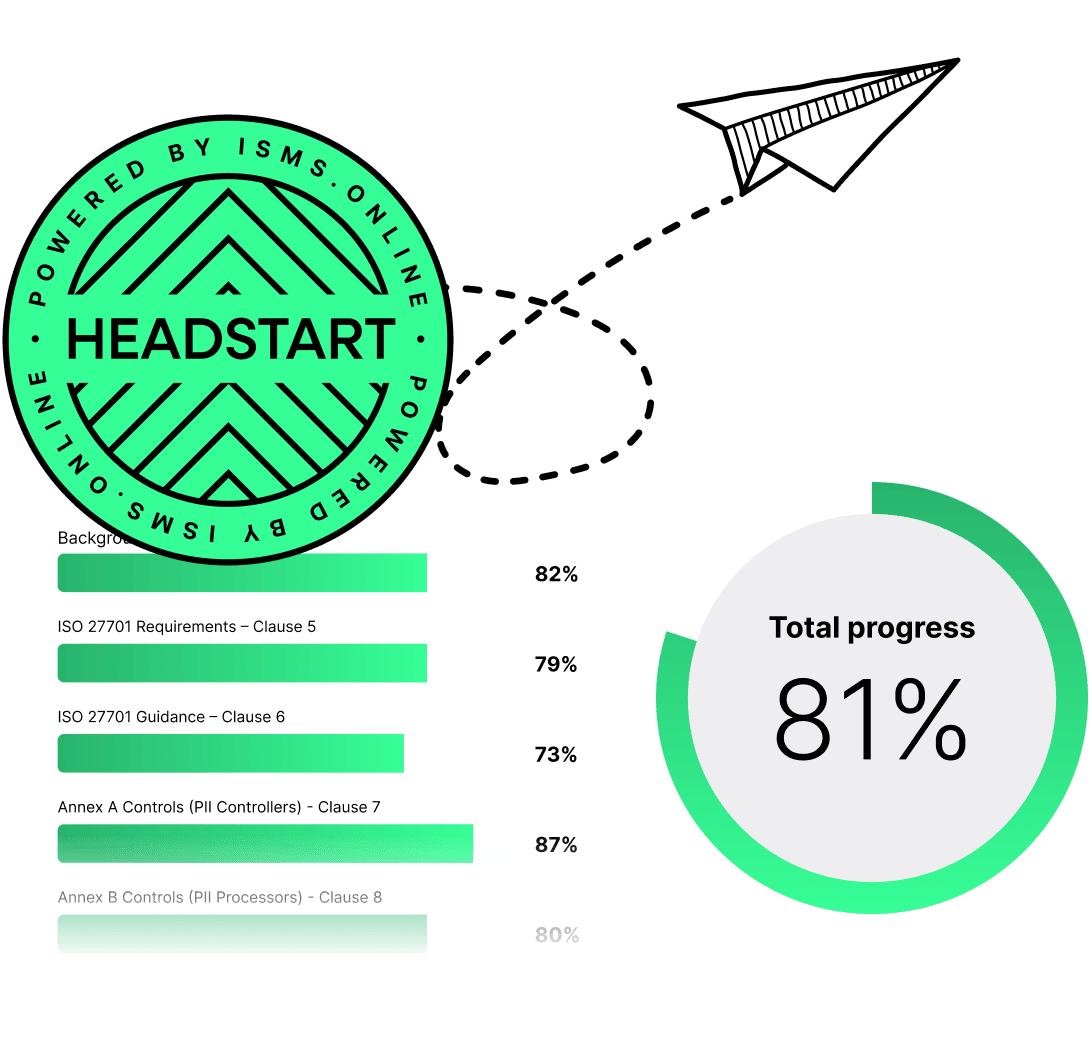
An 81% Headstart from day one
We’ve done the hard work for you, giving you an 81% Headstart from the moment you log on. All you have to do is fill in the blanks.
Implementing the NIST Risk Management Framework
Strategic Implementation of the NIST Framework
The NIST Risk Management Framework offers a comprehensive approach to managing cybersecurity risks through five critical steps:
-
Identify: Pinpoint potential risks and vulnerabilities within your organisation. This initial step requires a thorough understanding of threats and preparation for potential incidents.
-
Protect: Establish and enforce safeguards to secure infrastructure services. This includes implementing access control, data security measures, and comprehensive employee training programmes.
-
Detect: Set up mechanisms to promptly identify cybersecurity events. Continuous monitoring and anomaly detection are vital components of this phase.
-
Respond: Formulate and execute appropriate actions to address detected cybersecurity incidents. This involves detailed incident response planning and effective communication strategies.
-
Recover: Develop recovery plans to restore any impaired capabilities or services following a cybersecurity incident, ensuring business continuity and resilience.
Effective Implementation Strategies
- Regular Risk Assessments: Conduct frequent evaluations to understand and mitigate risks effectively.
- Stakeholder Engagement: Involve key stakeholders in the risk management process to ensure comprehensive coverage and support.
- Continuous Evaluation: Adapt the framework to address evolving threats and ensure ongoing protection.
Best Practices for Each Step
- Identify: Utilise advanced threat intelligence tools to anticipate potential risks.
- Protect: Implement multi-factor authentication and encryption to safeguard data.
- Detect: Employ real-time monitoring tools to swiftly identify anomalies.
- Respond: Develop a clear incident response plan with defined roles and responsibilities.
- Recover: Regularly test recovery plans to ensure they are effective and up-to-date.
Measuring Success of Implementation
Success in implementing the NIST framework is gauged by reduced security incidents and improved compliance with industry standards. Regular audits and feedback loops are essential for continuous improvement.
By following these steps, organisations can establish a robust cybersecurity posture that not only addresses current threats but also prepares for future challenges. This proactive approach ensures resilience and trustworthiness in an ever-changing digital environment.
Understanding the Structure of ISO 27001
The Framework of ISO 27001
ISO 27001 serves as a comprehensive framework for establishing a robust Information Security Management System (ISMS). Its structure is meticulously designed to support systematic risk management, ensuring organisations can effectively safeguard their information assets.
Core Components of ISO 27001
- ISMS Framework: Acts as the backbone, providing a structured approach to managing information security.
- Risk Assessment: Involves identifying and evaluating risks to implement appropriate controls (ISO 27001:2022 Clause 6.1).
- Continuous Improvement: Emphasises the Plan-Do-Check-Act cycle for ongoing enhancement of security measures (ISO 27001:2022 Clause 10.2).
Supporting Risk Management
ISO 27001’s structure integrates risk assessment and treatment processes, ensuring potential threats are identified, evaluated, and mitigated effectively. This alignment with organisational objectives enhances resilience and supports strategic goals.
Key Compliance Requirements
Achieving compliance with ISO 27001 necessitates adherence to several key requirements:
- Regular Audits: Conduct periodic audits to ensure adherence to the ISMS framework (ISO 27001:2022 Clause 9.2).
- Management Reviews: Regularly review the ISMS to ensure its effectiveness and alignment with business goals (ISO 27001:2022 Clause 9.3).
- Documentation: Maintain comprehensive documentation of policies, procedures, and controls.
Ensuring Continuous Compliance
Continuous compliance with ISO 27001 is achieved through the Plan-Do-Check-Act cycle, fostering a culture of ongoing improvement. This iterative process ensures security measures remain effective and aligned with evolving threats and organisational needs.
By leveraging the robust framework of ISO 27001, organisations can compare its structured approach to other frameworks like NIST, determining which best aligns with their strategic goals and operational needs. This comparison not only highlights the strengths of ISO 27001 but also provides insights into how it can be integrated with other frameworks for comprehensive risk management.

Free yourself from a mountain of spreadsheets
Embed, expand and scale your compliance, without the mess. IO gives you the resilience and confidence to grow securely.
Comparing NIST and ISO 27001 Frameworks
Understanding the Distinctions
Navigating the complexities of cybersecurity frameworks requires a nuanced understanding of both NIST and ISO 27001. Each framework offers distinct advantages tailored to different organisational needs and contexts.
Similarities and Differences
-
Common Ground: Both frameworks emphasise a proactive approach to risk management and continuous improvement. They provide structured methodologies for identifying, assessing, and mitigating risks, ensuring a resilient security posture.
-
Divergent Paths: NIST, with its U.S.-centric focus, offers technical guidelines ideal for organisations in the initial stages of cybersecurity maturity. ISO 27001, recognised globally, provides a formal certification process, making it suitable for entities seeking international compliance (ISO 27001:2022 Clause 4.3).
Tailoring Frameworks to Organisational Needs
Selecting the appropriate framework hinges on your organisation’s specific requirements. NIST is particularly beneficial for technical environments requiring detailed cybersecurity protocols. Conversely, ISO 27001 offers a comprehensive Information Security Management System (ISMS) framework, advantageous for organisations aiming for global recognition and certification.
Strategic Considerations
When evaluating frameworks, consider your regulatory environment and strategic objectives. Organisations with a global footprint may find ISO 27001’s formal certification advantageous, while those focused on technical cybersecurity might prefer NIST’s detailed guidelines.
Decision-Making for Framework Prioritisation
Prioritising a framework involves assessing your organisation’s risk management maturity and compliance needs. Our platform, ISMS.online, offers tools to seamlessly integrate these frameworks, enhancing your security posture and ensuring compliance with industry standards.
By understanding the unique attributes of each framework, you can make informed decisions that align with your strategic goals. Engage with ISMS.online to support your journey towards robust risk management and compliance.
How to Integrate NIST and ISO 27001 for Comprehensive Risk Management
Benefits of Integration
Integrating the NIST and ISO 27001 frameworks offers a cohesive strategy for risk management, aligning regulatory requirements with strategic objectives. This synergy enhances security measures, streamlines compliance, and fosters continuous improvement. By adopting both frameworks, organisations can capitalise on their strengths to establish a robust security infrastructure.
Strategies for Effective Integration
Organisations can effectively integrate these frameworks by:
- Mapping Controls: Align controls from both frameworks to form a unified risk management strategy.
- Leveraging Technology: Utilise automation and analytics to streamline integration and boost efficiency.
- Continuous Monitoring: Implement real-time monitoring to ensure ongoing compliance and risk mitigation.
Overcoming Integration Challenges
Integrating these frameworks can present challenges, such as aligning different compliance requirements and managing the complexity of dual frameworks. Organisations must navigate these challenges by:
- Customising Integration: Tailor the integration process to meet industry-specific needs and regulatory landscapes.
- Engaging Stakeholders: Involve key stakeholders to ensure alignment with organisational objectives and secure necessary resources.
Tailoring Integration to Industry Requirements
Tailoring integration to industry requirements involves understanding the unique risks and compliance needs of your sector. This customization ensures that the integrated frameworks address specific challenges and leverage industry best practices. By focusing on industry-specific requirements, organisations can enhance their risk management strategies and improve overall security resilience.
Integrating NIST and ISO 27001 frameworks sets the stage for continuous monitoring, a critical component for maintaining a robust cybersecurity posture through real-time analytics and adaptive technologies. This comprehensive approach ensures that your organisation remains resilient and compliant in an ever-changing threat landscape.

Manage all your compliance, all in one place
ISMS.online supports over 100 standards and regulations, giving you a single platform for all your compliance needs.
Why Is Continuous Monitoring Essential in Risk Management?
The Imperative of Continuous Monitoring
Continuous monitoring is integral to effective risk management, offering real-time insights into potential threats. By consistently evaluating security measures, organisations can swiftly identify vulnerabilities and mitigate risks, ensuring a robust defence against cyber threats.
Strengthening Cybersecurity with Monitoring
Integrating continuous monitoring significantly enhances cybersecurity by providing real-time threat detection. This proactive approach allows organisations to respond swiftly to emerging threats, minimising potential damage and ensuring the integrity of sensitive data. Utilising advanced analytics and AI-driven insights, businesses can anticipate and neutralise threats before they escalate.
Tools and Technologies for Effective Monitoring
To support continuous monitoring, a range of sophisticated tools and technologies are available:
- AI and Machine Learning: These technologies enable predictive analytics, allowing for the identification of anomalies and potential threats before they manifest.
- Real-Time Analytics Platforms: These platforms provide instant insights into network activity, facilitating rapid response to security incidents.
- Automated Alerts and Notifications: These systems ensure that stakeholders are immediately informed of any suspicious activity, enabling timely intervention.
Implementing Continuous Monitoring Effectively
Effective implementation of continuous monitoring involves regular updates to security protocols and comprehensive stakeholder training. By fostering a culture of vigilance and adaptability, organisations can maintain a resilient security posture in the face of evolving threats.
With continuous monitoring enhancing cybersecurity through real-time threat detection, it becomes imperative to also focus on data privacy and compliance. Safeguarding sensitive information requires robust encryption and access controls, ensuring that comprehensive risk management strategies are not only proactive but also compliant with critical data protection regulations.
Further Reading
How to Ensure Data Privacy and Compliance with Frameworks?
Key Data Privacy Requirements
Data privacy is integral to risk management, demanding robust measures like encryption and access controls. Encryption protects data both at rest and in transit, while access controls ensure only authorised personnel access sensitive information. These measures are vital for safeguarding personally identifiable information (PII) and maintaining trust.
Aligning with Regulatory Standards
Compliance with frameworks such as NIST and ISO 27001 requires regular audits and continuous monitoring to adapt to changing regulations. This proactive stance not only protects PII but also bolsters organisational credibility. By aligning with these standards, your organisation can ensure its data privacy practices meet the highest benchmarks (ISO 27001:2022 Clause 9.2).
Risks of Non-Compliance
Failing to comply with data privacy regulations can result in severe consequences, including legal penalties and reputational damage. Prioritising compliance is essential to avoid these risks and maintain stakeholder trust. Non-compliance not only jeopardises data security but also undermines your organisation’s integrity.
Integrating Data Privacy into Risk Management
Incorporating data privacy into risk management strategies involves implementing tailored controls that address specific organisational needs. This includes identifying potential risks, applying mitigation measures, and continuously monitoring for vulnerabilities. By embedding data privacy into risk management, organisations can ensure comprehensive protection and resilience (ISO 27001:2022 Clause 6.1).
Building on these strategic principles, governance and leadership play a crucial role in framework implementation. Setting clear security objectives and fostering a culture of compliance are essential for success. This foundation not only supports data privacy but also drives continuous improvement and organisational growth.
Governance and Leadership in Framework Implementation
Governance’s Role in Framework Success
Effective governance forms the backbone of successful ISO 27001 implementation. It ensures that security policies align seamlessly with both organisational goals and regulatory mandates (ISO 27001:2022 Clause 5.1). By establishing clear policies, governance creates a structured pathway that not only enhances security measures but also fosters a culture of continuous improvement.
Leadership’s Essential Contributions
Leadership is pivotal in driving the implementation process. Leaders articulate a clear vision, define roles, and ensure accountability. They are responsible for setting security objectives, allocating resources, and fostering a culture of compliance. This commitment is vital for creating an environment where everyone understands their contribution to the framework’s success.
Cultivating a Compliance Culture
Embedding compliance into the organisational culture requires comprehensive training and awareness programmes. These initiatives educate employees on the importance of adhering to security protocols and their role in safeguarding the organisation. By embedding compliance into the organisational culture, businesses enhance resilience and adaptability to evolving threats.
Leadership’s Role in Continuous Improvement
Continuous improvement is driven by leadership commitment and feedback loops. Leaders champion a proactive approach to risk management, encouraging regular reviews and updates to security measures. This iterative process ensures that the organisation remains agile and responsive to new challenges, fostering a culture of continuous enhancement.
Overcoming Framework Implementation Challenges
Navigating Common Challenges
Implementing NIST and ISO 27001 frameworks can present significant hurdles, such as resource constraints and adapting to evolving regulations. These challenges can impede effective risk management and compliance efforts, necessitating a strategic approach to remain agile and informed.
Strategies for Overcoming Challenges
To address these challenges, organisations should focus on utilising technology and fostering collaboration. Automated tools can streamline compliance processes, reducing manual effort and enhancing efficiency. Collaboration across departments ensures a cohesive approach to risk management, aligning security measures with organisational objectives.
- Utilising Technology: Implement automated solutions to streamline processes and enhance efficiency.
- Collaborating Across Departments: Foster cross-departmental collaboration for cohesive risk management.
The Role of ISMS.online
Our platform, ISMS.online, offers comprehensive solutions to streamline compliance and risk management. By providing tools for automation and collaboration, we help organisations navigate regulatory complexities and maintain a robust security posture. Our platform’s features enable seamless integration of frameworks, ensuring continuous compliance and adaptability.
Adapting to Regulatory Changes
Staying ahead of regulatory changes is essential for maintaining compliance. Organisations must prioritise ongoing training and policy updates to address new requirements effectively. By fostering a culture of continuous learning and adaptation, businesses can enhance their resilience and ensure long-term success.
By addressing these challenges and utilising the strengths of ISMS.online, organisations can build a resilient security framework that adapts to changing regulations and industry demands. Engage with us to explore how our solutions can support your journey towards effective risk management and compliance.
Emerging Trends in Cybersecurity and Risk Management
Key Developments in Cybersecurity
Incorporating advancements like AI and Zero-Trust Architecture is reshaping cybersecurity strategies, offering enhanced capabilities for threat detection and response. These innovations not only bolster defences but also streamline compliance efforts, aligning with ISO 27001:2022’s focus on access control (Annex A 5.15).
Impact on Framework Implementation
AI-driven analytics refine risk assessments, enabling precise identification of vulnerabilities. Zero-Trust Architecture, by assuming threats can originate internally and externally, reinforces security measures. This approach aligns with ISO 27001:2022’s emphasis on comprehensive access control.
Opportunities for Strengthening Security
Organisations can leverage these trends to enhance their cybersecurity posture. AI integration improves threat detection, while Zero-Trust Architecture offers a robust security framework. These advancements facilitate compliance with regulatory standards, boosting organisational credibility and stakeholder trust.
Staying Ahead of Emerging Threats
Continuous learning and innovation are vital for staying ahead of threats. Investing in training and development ensures your organisation remains resilient against evolving challenges. Our platform, ISMS.online, supports this journey by providing tools for seamless integration of these frameworks, enhancing your security and compliance.
By embracing these emerging trends, your organisation can fortify its cybersecurity strategies, ensuring robust protection and compliance in a dynamic threat environment. Explore how ISMS.online can support your journey towards effective risk management.
Discover ISMS.online’s Capabilities
How ISMS.online Enhances Your Risk Management
ISMS.online is designed to simplify the complexities of risk management by seamlessly integrating NIST and ISO 27001 frameworks. Our platform offers comprehensive tools that not only bolster your organisation’s security posture but also ensure compliance with industry standards. By leveraging our expertise, you can build a resilient security infrastructure tailored to your needs.
Key Features of ISMS.online for Framework Implementation
Our platform provides a robust suite of features to support framework implementation:
- Automated Compliance Tracking: Streamline adherence to regulatory requirements with our automated tracking system, reducing manual effort and enhancing efficiency.
- Advanced Risk Assessment Tools: Conduct thorough risk assessments effortlessly, identifying potential vulnerabilities and implementing effective mitigation strategies.
- Real-Time Monitoring and Alerts: Stay ahead of threats with continuous monitoring, ensuring your organisation remains secure and resilient.
Experience ISMS.online Through a Demo
Booking a demo with ISMS.online offers an in-depth look at how our platform can transform your risk management processes. During the demo, you’ll explore our intuitive interface, discover seamless integration with your existing systems, and witness the tangible benefits of our solutions in action.
Steps to Book Your Demo with ISMS.online
Ready to elevate your risk management strategy? Booking a demo is straightforward. Visit our website, complete the demo request form, and one of our experts will contact you to schedule a convenient time. Experience firsthand how ISMS.online can fortify your organisation's security.
By choosing ISMS.online, you're not just investing in a platform—you're partnering with a team dedicated to your success. Discover the difference today.
Book a demoFrequently Asked Questions
Key Differences Between NIST and ISO 27001
Distinct Approaches of NIST and ISO 27001
NIST and ISO 27001 are pivotal in shaping cybersecurity strategies, yet they offer distinct methodologies. NIST, primarily focused on U.S. organisations, provides adaptable guidelines that emphasise a risk-based approach, allowing for flexibility in enhancing cybersecurity without the need for formal certification.
In contrast, ISO 27001 is a globally recognised standard that mandates a structured framework for establishing an Information Security Management System (ISMS). This standard requires formal certification, which is advantageous for organisations seeking international compliance and recognition. ISO 27001’s rigorous requirements ensure a comprehensive alignment of security measures with business objectives (ISO 27001:2022 Clause 4.3).
Unique Features of Each Framework
- NIST: Offers a customizable framework, enabling organisations to tailor cybersecurity strategies to specific risk profiles and industry needs.
- ISO 27001: Provides a formal certification process, ensuring adherence to international standards and enhancing stakeholder trust.
Suitability for Different Organisational Needs
Choosing the right framework depends on your organisation’s goals and regulatory environment. NIST is ideal for technical environments requiring detailed cybersecurity protocols, while ISO 27001 suits organisations aiming for formal certification and international compliance.
Strategic Framework Prioritisation
Organisations must evaluate their risk management maturity and compliance needs to select the most suitable framework. Consider factors such as regulatory requirements, industry standards, and strategic objectives. Aligning framework selection with these factors enhances your security posture and ensures compliance with industry standards.
Understanding these differences empowers organisations to make informed decisions, aligning cybersecurity strategies with unique operational needs and regulatory landscapes. This strategic alignment not only strengthens security measures but also fosters a culture of continuous improvement and resilience.
Integrating NIST and ISO 27001 for Effective Risk Management
Best Practices for Framework Integration
Integrating the NIST and ISO 27001 frameworks offers a strategic approach to managing cybersecurity risks. This integration not only enhances security measures but also streamlines compliance, establishing a solid foundation for risk management.
Benefits of Framework Integration
- Comprehensive Security: By merging NIST’s technical guidelines with ISO 27001’s structured ISMS, organisations can achieve a holistic security posture.
- Simplified Compliance: Integration reduces complexity, making it easier to adhere to multiple regulatory requirements efficiently.
- Ongoing Enhancement: The synergy between frameworks supports continuous improvement, aligning with ISO 27001’s focus on ongoing enhancement (ISO 27001:2022 Clause 10.2).
Effective Integration Strategies
- Control Harmonisation: Align controls from both frameworks to create a unified risk management strategy.
- Technological Advancements: Leverage automation and analytics to streamline processes and boost efficiency.
- Proactive Surveillance: Implement continuous monitoring to ensure compliance and mitigate risks.
Challenges in Integration
Integrating these frameworks can present challenges, such as aligning different compliance requirements and managing complexity. Organisations must navigate these challenges by:
- Customization: Adapt the integration process to meet industry-specific needs and regulatory landscapes.
- Stakeholder Engagement: Engage key stakeholders to ensure alignment with organisational objectives and secure necessary resources.
Tailoring Integration to Industry Requirements
Tailoring integration involves understanding the unique risks and compliance needs of your sector. This customization ensures that the integrated frameworks address specific challenges and leverage industry best practices. By focusing on industry-specific requirements, organisations can enhance their risk management strategies and improve overall security resilience.
Integrating NIST and ISO 27001 frameworks sets the stage for continuous monitoring, a vital component for maintaining a robust cybersecurity posture through real-time analytics and adaptive technologies. This comprehensive approach ensures that your organisation remains resilient and compliant in an ever-changing threat environment.
The Role of Continuous Monitoring in Risk Management
Continuous Monitoring: A Pillar of Cybersecurity
Continuous monitoring is a cornerstone of cybersecurity, providing a proactive stance against potential threats. By persistently evaluating security measures, organisations can swiftly detect vulnerabilities and address them before they escalate. This vigilance not only fortifies cybersecurity defences but also builds stakeholder trust by demonstrating a commitment to safeguarding sensitive information.
Enhancing Cybersecurity Through Continuous Monitoring
Integrating continuous monitoring into cybersecurity strategies significantly bolsters an organisation’s defence mechanisms. Utilising real-time analytics and AI-driven insights, businesses can anticipate and neutralise threats before they manifest. This dynamic approach ensures that security measures remain robust and adaptive to evolving risks, aligning with the ISO 27001 standard’s emphasis on continuous improvement (ISO 27001:2022 Clause 10.2).
Tools and Technologies for Effective Continuous Monitoring
A variety of sophisticated tools and technologies underpin effective continuous monitoring:
- AI and Machine Learning: Enable predictive analytics, identifying anomalies and potential threats.
- Instantaneous Analytics Platforms: Deliver immediate insights into network activity, facilitating rapid response.
- Automated Notifications: Promptly inform stakeholders of suspicious activity, allowing for timely intervention.
Implementing Continuous Monitoring Effectively
Effective implementation of continuous monitoring requires a strategic approach:
- Regular Updates: Security protocols must be regularly updated to address new threats.
- Stakeholder Training: Comprehensive training ensures that all team members understand their roles in maintaining security.
- Adaptive Technologies: Employ technologies that can evolve with emerging threats, ensuring resilience.
By embedding continuous monitoring into their risk management strategies, organisations can maintain a resilient security posture, ensuring ongoing protection against cyber threats. This approach not only safeguards sensitive information but also enhances organisational credibility and stakeholder trust.
Ensuring Data Privacy with NIST and ISO 27001
Key Data Privacy Requirements
Data privacy is a cornerstone of both NIST and ISO 27001 frameworks, mandating robust measures like encryption and access controls to protect personally identifiable information (PII). These frameworks enforce stringent data handling protocols to maintain confidentiality and integrity, aligning with ISO 27001:2022 Clause 5.1.
Ensuring Compliance with Regulations
Regular audits and continuous monitoring are essential for compliance with data privacy regulations. These practices help organisations adapt to evolving standards such as GDPR and HIPAA, safeguarding PII while enhancing credibility and stakeholder trust. Adhering to these frameworks ensures alignment with ISO 27001:2022 Clause 9.2.
Consequences of Non-Compliance
Non-compliance with data privacy regulations risks severe penalties and reputational damage, undermining organisational integrity. Prioritising compliance is crucial to avoid these risks and maintain trust.
Integrating Data Privacy into Risk Management
Integrating data privacy into risk management involves implementing tailored controls that address specific organisational needs. This includes identifying potential risks, applying mitigation measures, and continuously monitoring for vulnerabilities. By embedding data privacy into risk management, organisations ensure comprehensive protection and resilience, as outlined in ISO 27001:2022 Clause 6.1.
By focusing on these key areas, organisations can effectively utilise the NIST and ISO 27001 frameworks to safeguard sensitive information and maintain compliance. This approach not only protects against potential threats but also supports strategic decision-making and long-term success.
Overcoming Framework Implementation Challenges
Navigating Common Challenges
Implementing the NIST and ISO 27001 frameworks often presents hurdles, such as resource constraints and adapting to regulatory changes. These challenges can impede effective risk management and compliance efforts, requiring organisations to remain agile and informed.
Strategies for Success
To address these challenges, utilising technology and fostering collaboration are essential strategies. Automated solutions streamline compliance processes, reducing manual effort and enhancing efficiency. Cross-departmental collaboration ensures a cohesive approach to risk management, aligning security measures with organisational objectives.
- Technology Utilisation: Implement automated solutions to streamline processes.
- Departmental Collaboration: Foster cross-departmental collaboration for cohesive risk management.
The Role of ISMS.online
Our platform, ISMS.online, offers comprehensive solutions to streamline compliance and risk management. By providing tools for automation and collaboration, we help organisations navigate regulatory complexities and maintain a robust security posture. Our platform’s features enable seamless integration of frameworks, ensuring continuous compliance and adaptability.
Adapting to Regulatory Changes
Staying ahead of regulatory changes is essential for maintaining compliance. Organisations must prioritise ongoing training and policy updates to address new requirements effectively. By fostering a culture of continuous learning and adaptation, businesses can enhance their resilience and ensure long-term success.
By addressing these challenges and leveraging the strengths of ISMS.online, organisations can build a resilient security framework that adapts to changing regulations and industry demands. Engage with us to explore how our solutions can support your journey towards effective risk management and compliance.
Emerging Trends in Cybersecurity and Risk Management
Latest Trends in Cybersecurity
The cybersecurity landscape is undergoing significant transformation, with AI integration and Zero-Trust Architecture at the forefront. AI-driven analytics refine threat detection, enabling precise identification of vulnerabilities. Zero-Trust Architecture, which assumes threats can originate internally and externally, emphasises stringent access control measures (ISO 27001:2022 Annex A 5.15).
Influence on Framework Implementation
Emerging trends like AI and Zero-Trust significantly impact the implementation of frameworks such as NIST and ISO 27001. AI integration enhances risk assessments, allowing organisations to anticipate and neutralise threats proactively. Zero-Trust principles align with ISO 27001’s focus on access control, offering a comprehensive security framework that bolsters compliance and stakeholder trust.
Opportunities Presented by Trends
Organisations can leverage these trends to fortify their cybersecurity posture. AI-driven analytics facilitate compliance with regulatory requirements, while Zero-Trust Architecture provides a robust security framework. These advancements not only enhance security measures but also streamline compliance efforts, ensuring resilience in a dynamic threat environment.
Staying Ahead of Emerging Threats
To remain ahead of threats, continuous learning and innovation are paramount. Organisations should invest in training and development to keep pace with technological advancements. Embracing a culture of adaptability ensures resilience against evolving threats. Our platform, ISMS.online, supports this journey by offering tools for seamless integration of these frameworks, enhancing your organisation’s security and compliance.
By embracing these emerging trends, organisations can strengthen their cybersecurity strategies, ensuring robust protection and compliance in an ever-changing threat landscape. Engage with ISMS.online to explore how we can support your journey towards effective risk management.







