





































Understanding the Role of ISO 27001:2022 in Third-Party Risk Management
Strengthening Compliance and Security with ISO 27001:2022
Managing third-party risks is crucial for businesses striving to protect their data integrity. The ISO 27001:2022 standard offers a robust framework to tackle these challenges, providing structured guidelines that enhance both compliance and security. With the increasing frequency of third-party data breaches, adopting this standard is a strategic necessity.
Understanding ISO 27001:2022
ISO 27001:2022 is an international standard for information security management systems (ISMS), emphasising risk management and compliance. It offers a comprehensive methodology for identifying, assessing, and mitigating risks associated with third-party vendors. This standard enables organisations to align their security measures with regulatory requirements, ensuring a proactive defence against potential threats (ISO 27001:2022 Clause 6.1).
Advancing Third-Party Risk Management
The 2022 update of ISO 27001 introduces enhanced controls specifically tailored for third-party risk management. These controls address contemporary security challenges, providing compliance officers with a structured approach to risk assessment and treatment. By integrating ISO 27001 into existing frameworks, organisations can refine their risk management practices and fortify their overall security posture (ISO 27001:2022 Annex A.15).
The Significance of ISO 27001:2022 for Compliance Officers
For compliance officers, ISO 27001:2022 serves as an indispensable tool in managing third-party risks. It offers a clear framework for implementing security controls and ensuring adherence to international standards. As a leading CISO notes, “ISO 27001 provides a robust framework for managing third-party risks effectively.” With certification rates increasing by 20% annually, its significance in the compliance landscape is undeniable.
How ISMS.online Can Assist
Our platform, ISMS.online, provides comprehensive tools to streamline the implementation of ISO 27001:2022. By integrating our solutions, compliance officers, Chief Information Security Officers, and CEOs can enhance their risk management practices and ensure continuous compliance. Discover how our platform can support your organisation's journey towards improved security and compliance.
Explore the benefits of ISO 27001:2022 and elevate your organisation's risk management practices today.
Book a demoUnderstanding the Significance of Third-Party Risks
In the context of ISO 27001:2022, third-party risks are potential threats introduced by external vendors and partners that could compromise data integrity, confidentiality, and availability. These risks are particularly pressing given the interconnected nature of global supply chains, which complicates the management of sensitive information.
What Constitutes Third-Party Risks?
Third-party risks are threats posed by external entities that may affect an organisation’s security posture. These risks can lead to significant data breaches, with recent statistics showing that a substantial number of organisations have been affected. Addressing these risks is essential to prevent compliance violations and financial losses.
- Impact on Security Posture:
- Compromised data integrity and confidentiality.
- Increased vulnerability through interconnected supply chains.
Importance of Effective Management
Managing third-party risks effectively is crucial for maintaining a strong security posture and ensuring compliance with international standards like ISO 27001:2022. This involves:
- Conducting thorough risk assessments.
- Implementing appropriate controls.
- Continuously monitoring third-party interactions.
Consequences of Neglect
Neglecting third-party risk management can result in severe consequences, including regulatory penalties, reputational damage, and financial setbacks. Therefore, prioritising third-party risk management is essential for an organisation’s security strategy.
As we delve deeper into third-party risk management, the next logical step is to conduct a comprehensive risk assessment for third-party vendors, ensuring all potential vulnerabilities are identified and addressed effectively.
ISO 27001 made easy
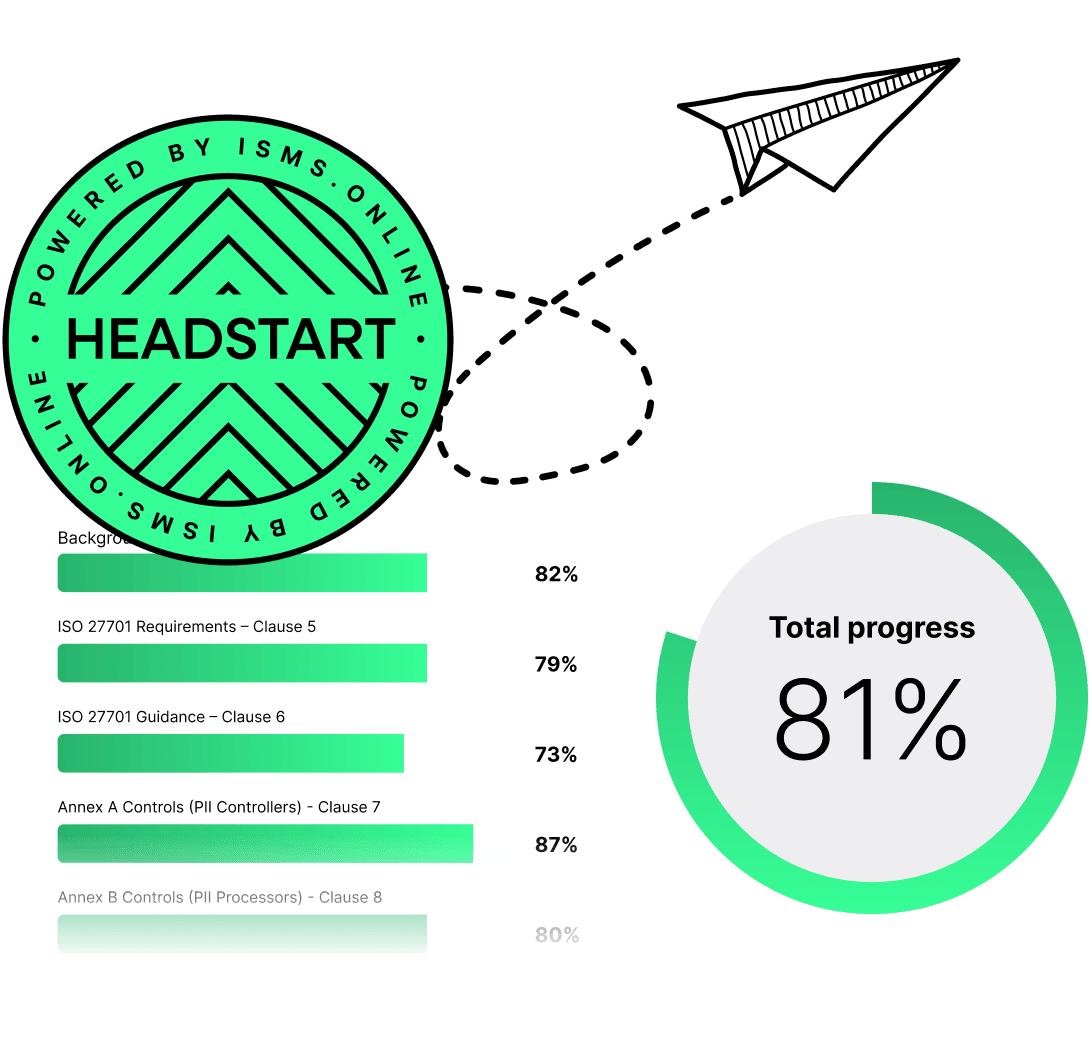
An 81% Headstart from day one
We’ve done the hard work for you, giving you an 81% Headstart from the moment you log on. All you have to do is fill in the blanks.
Conducting Effective Risk Assessments for Third-Party Vendors
Steps in Risk Assessment
A meticulous approach is essential for evaluating third-party risks, in line with the ISO 27001:2022 standard. This process encompasses several critical steps:
-
Risk Identification: Begin by pinpointing potential threats to your information assets, a core component of ISO 27001:2022 (Clause 5.3).
-
Impact Evaluation: Assess the potential impact of identified risks on your organisation, considering both direct and indirect consequences.
-
Mitigation Prioritisation: Develop strategies to address the most significant risks first, ensuring a comprehensive evaluation of vendor vulnerabilities.
Identifying and Evaluating Risks
Organisations can employ a blend of tools and methodologies to identify and evaluate risks associated with third-party vendors. Automation tools are particularly advantageous for continuous compliance monitoring, offering real-time insights into potential vulnerabilities. This approach not only streamlines the risk assessment process but also aligns with ISO 27001:2022 by providing a structured framework for risk identification and mitigation (Clause 5.3).
Recommended Tools and Methodologies
Effective risk assessment relies on a combination of traditional and advanced tools:
-
Qualitative Methods: Interviews and surveys provide valuable insights into vendor practices.
-
Quantitative Tools: Data-driven analysis offers a comprehensive evaluation of risk levels.
By integrating these methodologies, organisations can ensure a thorough evaluation of third-party risks, enhancing their overall security posture.
Alignment with ISO 27001:2022
The risk assessment process is integral to ISO 27001:2022, offering a structured approach to identifying and mitigating risks. This alignment ensures that organisations maintain compliance with international standards while effectively managing third-party risks. As vendor relationships evolve, continuous monitoring and regular updates to risk assessments become essential practices.
As we delve deeper into the intricacies of third-party risk management, the next step involves exploring the key controls in ISO 27001:2022 that address these challenges.
Exploring Key Controls for Third-Party Risk Management
ISO 27001:2022 offers a robust framework for managing third-party risks, emphasising specific controls to mitigate potential threats. Controls such as A.5.19 (Information Security in Supplier Relationships) are crucial in safeguarding against vulnerabilities introduced by external vendors.
Key Controls Recommended by ISO 27001:2022
The standard highlights several essential controls:
-
Access Control: Ensures that only authorised personnel can access sensitive data, reducing the risk of unauthorised breaches (ISO 27001:2022 Clause A.9).
-
Incident Management: Prepares organisations to respond swiftly to security incidents, minimising potential damage (ISO 27001:2022 Clause A.16).
Enhancing Effectiveness Through Controls
Implementing these controls significantly boosts third-party risk management by:
-
Reducing Security Incidents: Organisations adopting these measures have reported a notable decrease in security incidents.
-
Tailoring Controls: Each control is designed to address specific vulnerabilities, ensuring a structured approach to risk management.
Best Practices for Implementation
To implement these controls effectively, organisations should:
-
Conduct Regular Audits: Identify gaps in compliance and ensure controls remain effective (ISO 27001:2022 Clause 9.2).
-
Engage in Continuous Monitoring: Adapt to evolving threats and maintain alignment with ISO 27001:2022 requirements (ISO 27001:2022 Clause 10.2).
Ensuring Compliance and Security
Ensuring compliance with these controls is vital for maintaining a robust security posture. Regular review and updates to risk management practices align with evolving threats and regulatory requirements, reinforcing trust with stakeholders.
By exploring these key controls, organisations can strengthen their third-party risk management strategies, ensuring compliance and enhancing their overall security posture.

Free yourself from a mountain of spreadsheets
Embed, expand and scale your compliance, without the mess. IO gives you the resilience and confidence to grow securely.
The Role of Continuous Monitoring in Third-Party Risk Management
Continuous monitoring is a cornerstone of effective third-party risk management, ensuring that organisations maintain compliance and security in alignment with ISO 27001:2022. By adopting robust monitoring practices, companies can proactively address vulnerabilities and adapt to emerging threats, thereby safeguarding their data integrity and security posture (ISO 27001:2022 Clause 5.3).
Why Continuous Monitoring Matters
Continuous monitoring is essential for real-time identification and mitigation of potential vulnerabilities. It empowers organisations to swiftly respond to threats, maintaining a resilient security framework. As noted by industry experts, this practice is indispensable for sustaining compliance and security.
Implementing Effective Monitoring Practices
To establish effective continuous monitoring, organisations should:
- Conduct Regular Reviews: Periodically assess and update security measures to counteract evolving threats.
- Utilise Automation and AI: Leverage automation and AI tools for real-time monitoring and compliance tracking, offering timely insights into potential risks.
- Align with ISO 27001:2022: Ensure that monitoring practices are consistent with ISO 27001:2022 requirements, focusing on ongoing risk assessment and mitigation.
Tools and Technologies for Continuous Monitoring
Several advanced tools and technologies facilitate continuous monitoring:
- Automation Platforms: Streamline the monitoring process, enabling real-time data collection and analysis.
- AI-Driven Solutions: Enhance monitoring capabilities by detecting patterns and anomalies that may signal potential risks.
- Compliance Management Systems: Assist organisations in tracking adherence to ISO 27001:2022, ensuring that all security measures are current.
By integrating these tools and technologies, organisations can fortify their third-party risk management strategies, ensuring robust compliance and security. As challenges in third-party risk management evolve, understanding and implementing effective continuous monitoring practices becomes increasingly critical.
Aligning Supplier Agreements with ISO 27001:2022
Key Elements of Supplier Alignment
Aligning supplier agreements with the ISO 27001:2022 standard is crucial for ensuring that your suppliers adhere to robust security protocols, thereby minimising the risk of data breaches and compliance violations. Key elements include:
- Defined Expectations: Clearly articulate roles and responsibilities to foster mutual understanding and accountability.
- Compliance Monitoring: Implement mechanisms for regular audits and reviews to maintain alignment with ISO 27001:2022 (Clause 9.2).
Ensuring Compliance
To ensure that supplier agreements meet the ISO 27001:2022 standard, organisations should:
- Conduct Regular Audits: Systematically assess supplier compliance to identify and address any gaps.
- Implement Continuous Monitoring: Utilise automated tools to track compliance in real-time, adapting to emerging threats as necessary.
Benefits of Alignment
Aligning supplier agreements with the ISO 27001:2022 standard offers several advantages:
- Enhanced Security Posture: Adhering to standardised security measures significantly reduces vulnerabilities.
- Reduced Compliance Violations: Ensures that suppliers meet regulatory requirements, minimising the risk of penalties.
Monitoring Compliance
Monitoring compliance is essential for maintaining the integrity of supplier agreements. Organisations can achieve this by:
- Regular Reviews: Schedule periodic reviews to ensure ongoing compliance.
- Performance Metrics: Utilise key performance indicators to track supplier adherence to security standards.
Aligning supplier agreements with the ISO 27001:2022 standard not only fortifies your security framework but also sets a precedent for robust risk management practices. As we delve into the challenges of third-party risk management, understanding the importance of continuous monitoring becomes increasingly vital.

Manage all your compliance, all in one place
ISMS.online supports over 100 standards and regulations, giving you a single platform for all your compliance needs.
Overcoming Challenges in Third-Party Risk Management
Common Challenges in Managing Third-Party Risks
Navigating third-party risks presents significant hurdles, primarily due to limited visibility into vendor activities and resource constraints. These challenges can obscure vulnerabilities, heightening security risks and complicating oversight.
Strategies to Overcome These Challenges
Addressing these obstacles requires a multi-pronged approach:
-
Enhance Visibility: Deploy tools that offer real-time insights into vendor activities, ensuring comprehensive oversight.
-
Optimise Resources: Streamline processes to maximise resource allocation, focusing on critical areas.
ISO 27001:2022’s Role in Addressing Challenges
The ISO 27001:2022 standard provides a structured framework to tackle these challenges through its comprehensive risk management practices. Aligning with this standard allows organisations to establish robust security controls and maintain compliance with international regulations (Clause 5.3). This alignment not only fortifies security but also builds trust with stakeholders.
Technology’s Role in Mitigating Challenges
Technology is pivotal in overcoming third-party risk management challenges. Automation tools can streamline monitoring processes, offering timely alerts and reducing manual intervention. By integrating these technologies, organisations can enhance their risk management capabilities, ensuring a proactive stance against potential threats.
Continuous learning and adaptation are essential to address evolving third-party risks. As organisations refine their strategies, exploring how technology can further enhance third-party risk management practices ensures alignment with ISO 27001:2022.
Further Reading
Enhancing Third-Party Risk Management with Technology
Available Technologies
Incorporating technologies like automation, AI, and blockchain can significantly bolster third-party risk management. These tools streamline processes, enhance real-time monitoring, and ensure secure transactions, aligning with ISO 27001:2022’s focus on continuous improvement and risk assessment (Clause 5.3).
Integrating Technology into Risk Management
Strategically integrating these technologies into existing frameworks is crucial. Automation handles repetitive tasks, freeing resources for deeper analysis. AI provides predictive insights, identifying risks before they materialise. Blockchain ensures data integrity and transparency, vital for maintaining trust with third-party vendors.
Benefits of Technology Integration
Utilising technology in third-party risk management offers numerous advantages:
- Real-Time Monitoring: Continuous surveillance of vendor activities ensures timely anomaly detection.
- Enhanced Risk Assessment: Improved accuracy in identifying and evaluating risks leads to more effective mitigation strategies.
- Efficiency and Compliance: Streamlined processes reduce manual intervention, ensuring compliance with ISO 27001:2022 requirements.
Supporting ISO 27001:2022 Compliance with Technology
Technology plays a vital role in supporting compliance by providing tools for continuous monitoring and documentation. Automation platforms facilitate real-time data collection, while AI-driven solutions enhance compliance tracking, ensuring all security measures are current and effective.
As we explore the integration of technology in risk management, it’s crucial to consider how these advancements align with ISO 27001:2022, setting the stage for a robust security framework. This leads us to examine the importance of aligning supplier agreements with these standards, ensuring a comprehensive approach to third-party risk management.
Reviewing and Updating Third-Party Risk Management Practices
Frequency of Reviews
Regular reviews of third-party risk management practices are essential to maintaining alignment with the ISO 27001:2022 standard. Aim for at least an annual review or whenever significant changes occur, ensuring risk assessments remain current and responsive to emerging threats.
Triggers for Review
Several factors necessitate a review of risk management practices:
- Risk Environment Changes: New vendor relationships or updated regulatory requirements.
- ISO 27001:2022 Updates: Prompt reassessment to maintain compliance and security.
Ensuring ISO 27001:2022 Alignment
Maintaining alignment with ISO 27001:2022 involves regular audits and assessments. These processes identify compliance gaps and ensure effective security measures. Adhering to the standard’s guidelines enhances risk management practices and builds stakeholder trust.
Benefits of Regular Updates
Regular updates to third-party risk management practices offer numerous benefits:
- Enhanced Security Posture: Promptly addressing vulnerabilities ensures compliance with international standards.
- Increased Stakeholder Confidence: Reinforces your organisation’s commitment to security.
Understanding when to review and update practices is crucial as we explore third-party risk management intricacies. This leads us to examine how to prepare for ISO 27001:2022 certification, ensuring a comprehensive approach to risk management.
Preparing for ISO 27001:2022 Certification
Achieving certification under the ISO 27001:2022 standard is a strategic move for organisations aiming to bolster their information security frameworks. This process demands meticulous preparation, addressing key requirements, and overcoming common challenges to ensure compliance.
Steps in Certification Preparation
-
Documentation and Evidence Collection: Gather comprehensive documentation and evidence to demonstrate adherence to ISO 27001:2022 requirements. This includes policies, procedures, and records that align with the standard’s clauses.
-
Internal Audit and Gap Analysis: Conduct an internal audit to identify gaps in your current security practices. This step ensures that all necessary controls are in place and functioning effectively (ISO 27001:2022 Clause 9.2).
-
Management Review and Action Plan: Engage senior management in reviewing audit findings and developing an action plan to address identified gaps. This ensures alignment with organisational objectives and resource allocation.
Ensuring Certification Requirements Are Met
- Training and Awareness: Educate your team on ISO 27001:2022 requirements and best practices to foster a culture of security awareness.
- Regular Monitoring and Updates: Implement continuous monitoring practices to track compliance and adapt to evolving threats (ISO 27001:2022 Clause 5.3).
Common Challenges in Achieving Certification
- Resource Constraints: Limited resources can hinder the implementation of necessary controls. Prioritise critical areas and allocate resources strategically.
- Process Alignment: Aligning existing processes with ISO 27001:2022 requirements can be challenging. Utilise tools and platforms like ISMS.online to streamline this alignment.
Maintaining Compliance Post-Certification
Maintaining compliance requires ongoing vigilance and adaptation. Regular reviews and updates to your information security management system (ISMS) ensure continued alignment with the ISO 27001:2022 standard. By employing automation tools and continuous monitoring, organisations can proactively address emerging threats and maintain a robust security posture.
Embark on your certification journey with confidence, knowing that a structured approach and the right tools can pave the way for successful ISO 27001:2022 certification and sustained compliance.
Experience the Benefits of ISMS.online for Third-Party Risk Management
How ISMS.online Transforms Your Risk Management
ISMS.online revolutionises third-party risk management by aligning seamlessly with the ISO 27001:2022 standard. Our platform empowers your organisation with tools that:
- Track Compliance: Monitor and maintain alignment with ISO 27001:2022 effortlessly.
- Assess Risks: Conduct thorough evaluations to identify potential vulnerabilities.
- Monitor Continuously: Stay ahead of threats with real-time insights and automated alerts.
Features Enhancing ISO 27001:2022 Compliance
Our platform’s features bolster compliance and security:
- Automated Workflows: Simplify processes with consistent security control application.
- Custom Dashboards: Gain visibility into compliance status and risk levels.
- Document Management: Efficiently manage and store essential documents.
Discover ISMS.online’s Impact Through a Demo
A demo with ISMS.online reveals how our platform transforms risk management. Explore:
- Tailored Solutions: Address your organisation’s specific needs.
- Expert Insights: Optimise your risk management strategies.
- Operational Efficiency: Streamline operations and improve compliance.
Book Your Demo Today
Reach out to schedule a personalised demo and unlock ISMS.online’s full potential for your third-party risk management. Experience the difference in enhancing your organisation’s security and compliance efforts.
Understanding ISO 27001:2022 in Risk Management
Significance of ISO 27001:2022
ISO 27001:2022 is a cornerstone in information security management, offering a structured framework for risk management. It aids organisations in identifying, assessing, and mitigating risks, especially those linked to third-party vendors. By aligning security measures with regulatory requirements, it ensures a proactive defence against potential threats (ISO 27001:2022 Clause 6.1).
Key Components and Benefits
The ISO 27001:2022 standard includes several essential components for effective risk management:
-
Risk Assessment: Establishes a systematic approach to identifying and evaluating risks, ensuring all potential vulnerabilities are addressed (ISO 27001:2022 Clause 5.3).
-
Risk Treatment: Implements controls to mitigate identified risks, enhancing the organisation’s security posture (ISO 27001:2022 Clause 5.5).
-
Continuous Monitoring: Emphasises the importance of regular reviews and updates to risk assessments, aligning with evolving threats (ISO 27001:2022 Clause 9.1).
Implementing ISO 27001:2022 offers numerous benefits, such as improved compliance, enhanced security posture, and increased stakeholder confidence. It provides a structured approach to managing risks, ensuring organisations remain resilient in the face of emerging threats.
Differences from Previous Versions
The 2022 update introduces enhanced controls and methodologies, reflecting the latest security challenges and technological advancements. This iteration places a stronger emphasis on third-party risk management, recognising the interconnected nature of modern supply chains.
Industries Benefiting from ISO 27001:2022
Industries handling sensitive information, such as finance, healthcare, and technology, benefit significantly from implementing ISO 27001:2022. By adhering to this standard, these sectors can safeguard their data, maintain compliance, and build trust with their stakeholders.
Enhancing Organisational Security Posture
ISO 27001:2022 enhances organisational security posture by providing a comprehensive framework for managing information security risks. It ensures organisations are equipped to handle potential threats, maintain compliance, and protect their valuable information assets.
By understanding the significance and components of ISO 27001:2022, organisations can effectively manage risks and enhance their security posture. This standard serves as an essential tool in navigating the complexities of modern information security management.
Book a demoFrequently Asked Questions
How Does ISO 27001:2022 Guide Third-Party Risk Management?
Navigating Third-Party Risks
Third-party risks, stemming from external vendors and partners, pose significant challenges to organisational security. The ISO 27001:2022 standard offers a structured framework to manage these risks, ensuring compliance and enhancing security measures.
Key Controls for Mitigating Risks
ISO 27001:2022 outlines several controls to address third-party risks effectively:
- Access Management: Restricts data access to authorised personnel, minimising unauthorised breaches (ISO 27001:2022 Clause A.9).
- Incident Response: Prepares organisations to handle security incidents swiftly, reducing impact (ISO 27001:2022 Clause A.16).
Implementing Controls Effectively
Organisations can implement these controls by:
- Conducting Thorough Audits: Regular audits help identify compliance gaps and ensure control effectiveness (ISO 27001:2022 Clause 9.2).
- Adapting to Emerging Threats: Continuous adaptation to evolving threats maintains alignment with ISO 27001:2022 requirements (ISO 27001:2022 Clause 5.3).
Overcoming Management Challenges
Managing third-party risks involves overcoming challenges such as limited visibility into vendor activities and resource constraints. These issues can obscure potential vulnerabilities, increasing security risks. Without clear oversight, organisations may struggle to monitor and manage external partnerships effectively.
Enhancing Risk Management Practices
ISO 27001:2022 enhances risk management by providing a comprehensive framework for identifying, assessing, and mitigating risks. Aligning with this standard allows organisations to establish robust security controls and maintain compliance with international regulations, thereby enhancing security and building stakeholder trust.
Compliance Benefits
Adhering to ISO 27001:2022 offers numerous advantages, including:
- Strengthened Security Posture: Mitigates vulnerabilities and fortifies defences.
- Increased Stakeholder Confidence: Demonstrates a commitment to security and compliance.
By understanding and implementing these practices, organisations can effectively manage third-party risks, ensuring a robust security framework and compliance with ISO 27001:2022.
Why Align Supplier Agreements with ISO 27001:2022?
Aligning supplier agreements with the ISO 27001:2022 standard is essential for fortifying your organisation’s security framework. This alignment ensures that suppliers adhere to stringent security protocols, significantly mitigating the risk of data breaches and compliance violations.
Importance of Alignment
Establishing supplier agreements in accordance with ISO 27001:2022 creates a robust security framework. This ensures that suppliers meet international security standards, safeguarding your organisation’s data integrity and confidentiality. Such alignment not only strengthens your security posture but also builds trust with stakeholders by demonstrating a commitment to compliance.
Benefits of Compliance
Adopting ISO 27001:2022 compliance offers several advantages:
- Enhanced Protection: Implementing standardised security measures significantly reduces vulnerabilities.
- Regulatory Assurance: Aligning with regulatory requirements minimises the risk of penalties.
- Trust Building: Demonstrates a commitment to security and compliance, reinforcing stakeholder confidence.
Key Elements of Supplier Agreements
Supplier agreements should clearly define roles and responsibilities to ensure mutual understanding. Key elements include:
- Clear Expectations: Specify security requirements and compliance obligations.
- Routine Audits: Conduct regular audits and reviews to maintain alignment with ISO 27001:2022 (Clause 9.2).
Monitoring Supplier Compliance
Effective monitoring of supplier compliance is crucial for maintaining the integrity of agreements. Organisations can achieve this by:
- Scheduled Assessments: Implement periodic evaluations to ensure ongoing compliance.
- Performance Metrics: Utilise key performance indicators to track supplier adherence to security standards.
Aligning supplier agreements with ISO 27001:2022 not only fortifies your security framework but also sets a precedent for robust risk management practices. By understanding the importance of alignment, organisations can enhance their third-party risk management strategies, ensuring compliance and strengthening their overall security posture.
How Technology Enhances Third-Party Risk Management
The Transformative Role of Technology
Technology revolutionises third-party risk management by streamlining processes and enhancing decision-making. Advanced tools such as automation and artificial intelligence (AI) provide real-time insights, enabling organisations to proactively manage risks and align with ISO 27001:2022’s emphasis on continuous improvement and risk assessment (Clause 5.3).
Cutting-Edge Technologies
- Automation Tools: Streamline repetitive tasks, allowing teams to focus on strategic analysis and decision-making.
- AI Solutions: Offer predictive insights, identifying potential risks before they materialise.
- Blockchain: Ensures data integrity and transparency, essential for maintaining trust with third-party vendors.
Advantages of Integrating Technology
Integrating technology into risk management processes offers numerous advantages:
- Real-Time Vendor Surveillance: Continuous monitoring ensures timely detection of anomalies.
- Enhanced Risk Evaluation: Accurate identification and assessment of risks lead to effective mitigation strategies.
- Operational Efficiency: Reducing manual intervention ensures compliance with ISO 27001:2022 requirements.
Supporting Compliance with ISO 27001:2022
Technology plays a significant role in supporting compliance by providing tools for continuous monitoring and documentation. Automation platforms facilitate real-time data collection, while AI-driven solutions enhance compliance tracking, ensuring all security measures are up to date and effective.
By embracing these technologies, organisations can fortify their risk management frameworks, ensuring alignment with ISO 27001:2022 and enhancing their overall security posture. This strategic integration not only mitigates risks but also builds trust with stakeholders, demonstrating a commitment to maintaining robust security measures.
Overcoming ISO 27001:2022 Certification Challenges
Common Challenges in Certification
Achieving ISO 27001:2022 certification can be a complex endeavour, often hindered by resource constraints and the need for meticulous alignment of existing processes with the standard’s requirements. Organisations may find themselves grappling with limited resources, which can impede the implementation of essential controls. Additionally, the intricate task of aligning current processes with ISO 27001:2022 demands careful planning and coordination.
Strategies for Overcoming Certification Hurdles
To effectively tackle these challenges, organisations should consider the following strategies:
- Focus on High-Impact Areas: Prioritise areas that significantly impact your organisation’s security posture to allocate resources efficiently.
- Implement Automation Tools: Utilise technology to streamline processes, reducing the need for manual intervention and enhancing efficiency.
- Encourage Cross-Department Collaboration: Foster teamwork across departments to ensure a cohesive approach to compliance and security.
The Role of Documentation in Certification
Documentation is a cornerstone of the certification process, serving as evidence of compliance and facilitating audits. Comprehensive documentation, including policies, procedures, and records, aligns with ISO 27001:2022 requirements (Clause 7.5), ensuring transparency and accountability.
Maintaining Compliance Post-Certification
Sustaining compliance with ISO 27001:2022 requires ongoing vigilance and adaptation. Regular reviews and updates to your Information Security Management System (ISMS) are crucial to address evolving threats and maintain alignment with the standard. Continuous monitoring and the use of automation tools can aid in tracking compliance, enabling your organisation to proactively manage risks and sustain a robust security posture.
By understanding and addressing these challenges, your organisation can navigate the complexities of ISO 27001:2022 certification, ensuring a resilient and compliant security framework.
When to Review and Update Third-Party Risk Management Practices?
Establishing Review Frequency
To maintain alignment with the ISO 27001:2022 standard, organisations should conduct annual reviews of their third-party risk management practices. However, significant changes, such as new vendor partnerships or shifts in regulatory requirements, may necessitate more frequent evaluations. This proactive approach ensures that risk assessments remain current and effective, safeguarding your organisation’s data integrity and security posture.
Identifying Review Triggers
Several factors can prompt a review of risk management practices:
- Emerging Threats: New vulnerabilities or security threats that could impact your organisation.
- Regulatory Changes: Updates in compliance requirements that necessitate adjustments to current practices.
- Vendor Changes: Introduction of new vendors or changes in existing vendor relationships.
Ensuring ISO 27001:2022 Compliance
To align with ISO 27001:2022, organisations should:
- Conduct Regular Audits: Identify and address compliance gaps through systematic audits.
- Utilise Monitoring Tools: Implement automated systems to track compliance in real-time, adapting to emerging threats as necessary (ISO 27001:2022 Clause 9.2).
Benefits of Regular Updates
Regular updates to third-party risk management practices offer several advantages:
- Improved Security Measures: Proactively addressing vulnerabilities enhances compliance with international standards.
- Increased Stakeholder Trust: Demonstrates your organisation’s commitment to maintaining robust security protocols.
By consistently reviewing and updating third-party risk management practices, organisations can uphold a strong security posture, ensuring compliance with ISO 27001:2022 and fostering trust with stakeholders. Embrace these practices to safeguard your organisation’s data integrity and security.






