





































Master Vendor Risk Management with ISO 27001:2022
Understanding Vendor Risk Management
Vendor risk management is a critical process that involves identifying and mitigating risks associated with third-party vendors. Recent data indicates that 60% of organizations have faced data breaches due to vendor vulnerabilities. By implementing ISO 27001:2022, organizations can significantly reduce security incidents, enhancing their overall risk management strategy.
Enhancing Vendor Risk Management with ISO 27001:2022
ISO 27001:2022 introduces 11 new controls that address modern security challenges, such as threat intelligence and data leakage prevention. These controls align with ISO 31000, focusing on risk management, availability, and continuity, which are essential for effective vendor risk management.
Key Components of ISO 27001:2022
- Risk Assessment: Identifies potential threats and vulnerabilities, allowing for proactive risk management (Clause 6.1).
- Security Controls: Implements measures to mitigate identified risks, ensuring robust protection against potential threats (Annex A).
- Continuous Monitoring: Ensures ongoing compliance and addresses emerging risks, maintaining a secure environment (Clause 9.1).
Benefits of ISO 27001:2022 for Vendor Risk Management
- Enhanced Security: Protects against data breaches and unauthorized access, safeguarding your organization’s assets.
- Compliance Assurance: Aligns with global standards, ensuring your organization meets regulatory requirements.
- Improved Trust: Builds confidence with stakeholders and clients, reinforcing your organization’s reputation.
How ISMS.online Can Assist
Our platform simplifies managing vendor risk with ISO 27001:2022. By utilizing questionnaires and audits, you can ensure compliance and security. We encourage Compliance Officers, Chief Information Security Officers, and CEOs to explore our solutions and enhance their vendor risk management strategies.
Book a demoWhat Role Do Questionnaires Play in Risk Assessment?
Questionnaires serve as a critical tool in evaluating vendor risk, offering a structured approach to gather essential insights into vendors’ security practices and compliance with the ISO 27001:2022 standard. By systematically analyzing vendor responses, organizations can pinpoint potential security vulnerabilities and ensure alignment with industry standards, thereby fortifying their risk management strategies.
Evaluating Vendor Security Posture
Questionnaires are indispensable for assessing vendors’ adherence to security protocols and identifying areas for improvement. They provide a comprehensive view of a vendor’s security posture, empowering organizations to make informed decisions about potential partnerships.
Crafting Effective Questionnaires
To maximize effectiveness, questionnaires should encompass a range of questions covering key security aspects, such as:
- Data Protection Measures: Evaluate how vendors safeguard sensitive information.
- Access Control Protocols: Assess the measures in place to prevent unauthorized access.
- Incident Management Procedures: Determine the vendor’s capability to respond to security incidents.
Aligning with ISO 27001:2022
Ensuring compliance with the ISO 27001:2022 standard requires questionnaires to align with its requirements, focusing on risk assessment, security controls, and continuous monitoring (Clause 6.1). This alignment not only aids in compliance but also builds trust with stakeholders by demonstrating a commitment to security excellence.
Overcoming Questionnaire Challenges
Crafting effective questionnaires presents challenges, such as ensuring comprehensive coverage of security controls and maintaining vendor engagement. As Jane Smith, a risk management consultant, notes, questionnaires must be meticulously designed to capture all relevant security aspects while remaining concise and engaging.
By addressing these challenges, organizations can leverage questionnaires to enhance their vendor risk management strategies, ensuring compliance and mitigating potential risks. This strategic use of questionnaires not only safeguards information assets but also strengthens partnerships with vendors committed to maintaining high security standards.
ISO 27001 made easy
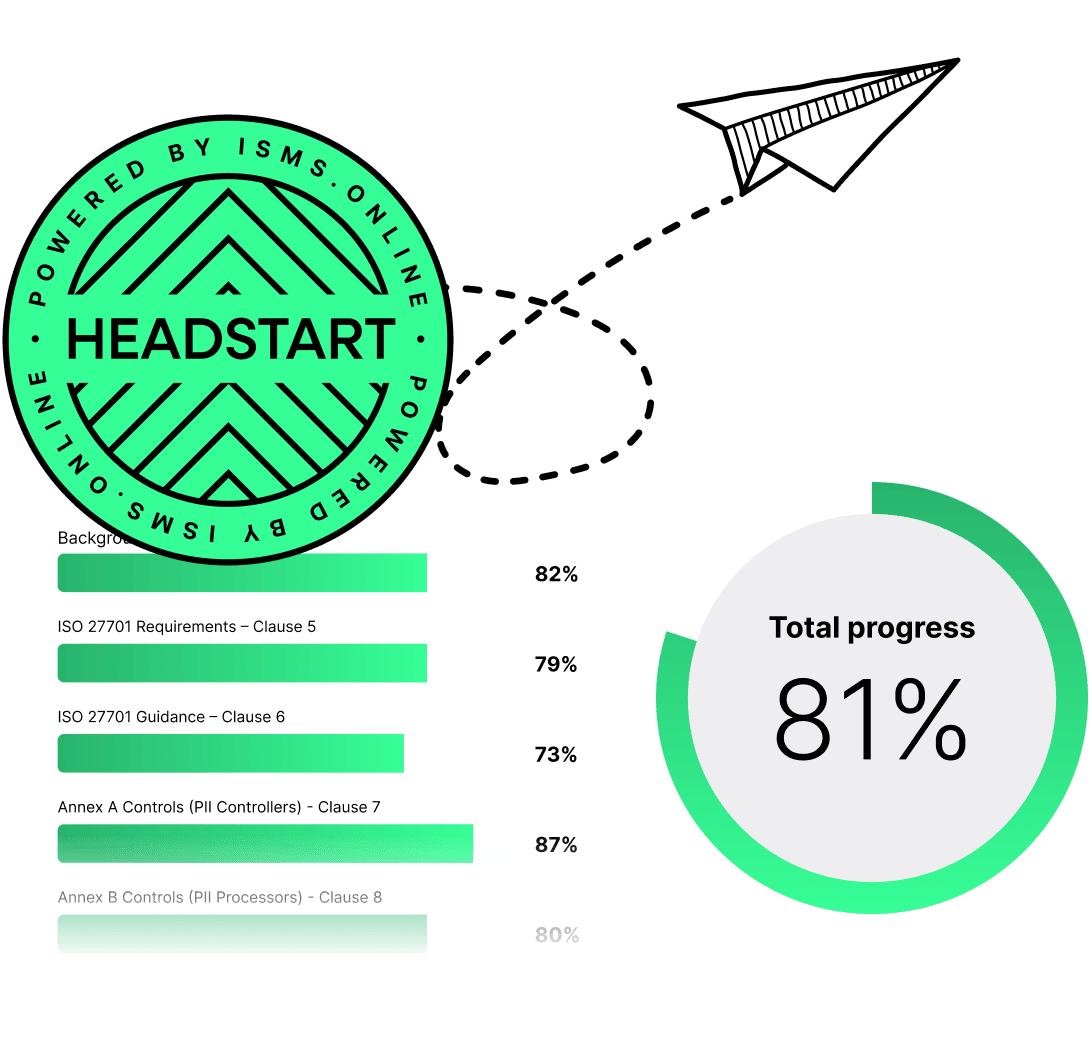
An 81% Headstart from day one
We’ve done the hard work for you, giving you an 81% Headstart from the moment you log on. All you have to do is fill in the blanks.
How Do Audits Enhance Vendor Risk Management?
Purpose of Vendor Audits
Vendor audits are indispensable for maintaining robust information security. They systematically evaluate vendor practices to ensure compliance with the ISO 27001:2022 standard, particularly its 93 controls in Annex A. This process not only verifies adherence to security protocols but also identifies potential vulnerabilities that could compromise data integrity.
Verifying Compliance with ISO 27001:2022
Audits serve as a rigorous verification tool, confirming that vendors meet the stringent requirements of ISO 27001:2022. By examining security measures, access controls, and incident management procedures, audits provide a comprehensive assessment of a vendor’s compliance. This verification process is essential for maintaining trust and ensuring that vendors uphold the highest security standards.
Benefits of Regular Vendor Audits
Regular audits are indispensable for continuous compliance and risk management. They offer several benefits, including:
- Enhanced Security: By identifying gaps in security practices, audits help mitigate risks before they escalate.
- Improved Compliance: Regular audits ensure vendors remain aligned with ISO 27001:2022, reducing the likelihood of non-compliance.
- Informed Decision-Making: Audits provide valuable insights into vendor performance, aiding in strategic decision-making.
Conducting Effective Vendor Audits
To conduct effective vendor audits, organizations should:
- Schedule Regular Audits: Conduct audits annually or when significant changes occur to maintain continuous compliance.
- Utilize Comprehensive Checklists: Ensure all aspects of vendor security are evaluated, from data protection to incident response.
- Engage Experienced Auditors: Use the expertise of seasoned auditors to gain an objective assessment of vendor practices.
By integrating these strategies, organizations can enhance their vendor risk management, ensuring robust compliance with ISO 27001:2022. This proactive approach not only safeguards information assets but also strengthens partnerships with vendors committed to maintaining high security standards.
Implementing ISO 27001:2022 for Effective Vendor Risk Management
Strategic Implementation of ISO 27001:2022
Implementing ISO 27001:2022 for vendor risk management demands a strategic approach that aligns with your organization’s objectives. Begin by establishing a risk assessment methodology to identify potential threats and vulnerabilities. This foundational step is crucial for understanding the risk environment and setting the stage for a robust risk treatment plan.
Key Steps in Implementation
- Define Risk Assessment Methodology: Develop a clear process for identifying and evaluating risks associated with vendors.
- Document Risk Treatment Plan: Create a comprehensive plan to address identified risks, ensuring alignment with ISO 27001:2022 requirements (Clause 6.1).
- Integrate Controls: Implement security controls that align with your existing vendor management processes, ensuring seamless integration.
Ensuring Successful Implementation
Align ISO 27001:2022 with your business objectives and risk management strategies. This alignment not only facilitates compliance but also enhances your organization’s overall security posture. Effective communication with vendors is essential to ensure they understand and adhere to the standard’s requirements.
Overcoming Challenges
Integrating ISO 27001:2022 controls with existing processes can be challenging. Organizations often face difficulties in aligning new controls with established vendor management practices. Overcoming these challenges requires a clear understanding of the standard’s requirements and effective communication with vendors. Regular training and awareness programs can also aid in smooth implementation.
Transitioning to Continuous Improvement
Implementing ISO 27001:2022 is not a one-time task but an ongoing process. Continuous monitoring and regular reviews are essential to adapt to changing risks and ensure ongoing compliance. By embedding these practices into your organization’s culture, you can maintain a proactive approach to vendor risk management.

Free yourself from a mountain of spreadsheets
Embed, expand and scale your compliance, without the mess. IO gives you the resilience and confidence to grow securely.
Creating Effective Questionnaires for Vendor Risk Assessment
Designing Precision-Aligned Questionnaires
Creating questionnaires for vendor risk assessment demands precision and alignment with ISO 27001:2022. These tools are crucial for evaluating vendors’ security practices and identifying potential risks.
Key Considerations for Questionnaire Design
- ISO 27001:2022 Alignment: Ensure questions address the standard’s controls, focusing on data protection, access control, and incident management (Clause 6.1).
- Clarity and Relevance: Use clear, concise language to ensure vendors understand and can accurately respond to questions.
Ensuring Compliance with ISO 27001:2022
To ensure compliance, questionnaires should cover critical areas such as:
- Data Protection: Evaluate how vendors safeguard sensitive information.
- Access Control: Assess protocols for restricting unauthorized access.
- Incident Response: Determine vendors’ capabilities in handling security incidents.
Best Practices for Questionnaire Development
- Diverse Question Types: Use both open-ended and closed questions to gather comprehensive information.
- Regular Updates: Keep questionnaires current with evolving security standards and vendor practices.
Maintaining Questionnaire Effectiveness
Regularly review and update questionnaires to reflect changes in security standards and vendor practices. This ensures they remain effective tools for risk assessment and compliance verification.
By following these guidelines, organizations can create robust questionnaires that enhance vendor risk management and ensure compliance with ISO 27001:2022. Our platform at ISMS.online offers tools to streamline this process, providing a seamless experience in managing vendor risk.
Conducting Thorough Vendor Audits
How to Conduct Thorough Vendor Audits?
Conducting vendor audits is crucial for ensuring compliance with the ISO 27001:2022 standard. These audits verify that vendors adhere to security measures, safeguarding your organization’s data integrity. Here’s how to conduct effective audits:
Key Steps in Conducting Audits
-
Planning: Define clear audit objectives and scope, ensuring alignment with ISO 27001:2022 requirements. Develop a detailed audit plan, including timelines and resources, to guide the process effectively.
-
Execution: Utilize standardized checklists to assess the implementation of security controls. Engage cross-functional teams to provide diverse perspectives and comprehensive evaluations, ensuring a thorough audit process.
-
Reporting: Document findings clearly, highlighting compliance status and areas for improvement. Provide actionable recommendations to vendors for addressing identified gaps, fostering a proactive approach to risk management.
-
Follow-Up: Schedule follow-up audits to ensure vendors implement corrective actions. This step is crucial for maintaining continuous compliance and addressing any new risks that may arise.
Ensuring Compliance with ISO 27001:2022
Audits should assess the implementation of relevant security controls, such as data protection and access management (ISO 27001:2022 Clause 6.1). This ensures vendors meet the standard’s stringent requirements, enhancing trust and security.
Best Practices for Conducting Audits
- Use Standardized Checklists: Ensure all security aspects are evaluated consistently, providing a comprehensive assessment.
- Involve Cross-Functional Teams: Draw on diverse expertise for a holistic evaluation of vendor practices.
- Communicate Objectives Clearly: Ensure vendors understand audit goals and expectations, fostering transparency and cooperation.
Ensuring Audit Effectiveness
Effective audits require clear communication of objectives and findings to vendors. Engage them in the process, fostering a collaborative approach to compliance. This not only strengthens vendor relationships but also enhances overall security posture.
By following these guidelines, organizations can conduct thorough vendor audits, ensuring compliance with ISO 27001:2022 and safeguarding their information assets. This proactive approach not only mitigates risks but also builds trust with stakeholders, reinforcing your organization’s commitment to security excellence.

Manage all your compliance, all in one place
ISMS.online supports over 100 standards and regulations, giving you a single platform for all your compliance needs.
How to Align Vendor Risk Management with Business Objectives?
Strategic Alignment for Enhanced Security
Align vendor risk management with business objectives to ensure security measures bolster organizational goals. This alignment enhances risk mitigation, boosts operational efficiency, and fortifies vendor relationships. Integrating risk management into strategic planning ensures security efforts contribute directly to business success.
Strategies for Achieving Alignment
-
Integrate Risk Management into Strategic Planning: Embed risk management in decision-making to align security measures with business goals.
-
Foster Collaboration Between Risk Management and Business Units: Promote communication between risk management teams and business units to ensure security efforts support organizational objectives.
-
Utilize Technology for Continuous Monitoring: Implement solutions that provide real-time insights into vendor risk, enabling informed decisions that align with business objectives.
Benefits of Alignment
-
Improved Risk Mitigation: Aligning risk management with business goals enhances the ability to identify and mitigate risks.
-
Enhanced Operational Efficiency: Streamlined processes and clear communication between risk management and business units lead to efficient operations.
-
Stronger Vendor Relationships: A collaborative approach to risk management fosters trust and strengthens vendor relationships.
Overcoming Alignment Challenges
Organizations may face challenges such as differing priorities and communication barriers. Foster collaboration between risk management and business units to ensure all parties work towards common goals. Regular training and awareness programs can bridge gaps and promote a unified approach to risk management.
Further Reading
Overcoming Challenges in Vendor Risk Management
Addressing Common Vendor Risk Management Challenges
Managing vendor risk involves navigating complexities such as overseeing numerous vendors and ensuring consistent compliance. Organizations often face difficulties in maintaining oversight across diverse vendor bases and adapting to evolving security threats. A strategic approach is essential to uphold robust security and compliance.
Strategies to Overcome Vendor Risk Management Challenges
To effectively tackle these challenges, prioritize vendors based on risk levels. This targeted approach allows for focused resource allocation, ensuring high-risk vendors receive necessary attention. Implementing automated monitoring tools can streamline compliance checks and provide real-time insights into vendor performance, enhancing efficiency and reducing human error.
Best Practices for Effective Vendor Risk Management
Establish clear policies and procedures to guide vendor risk management. These guidelines should outline expectations for vendor compliance and provide a framework for consistent evaluation. Regular training for staff involved in vendor management ensures they are equipped with the latest knowledge and skills to address emerging threats. By fostering a culture of continuous learning, organizations can maintain a proactive stance against potential risks.
Ensuring Continuous Improvement in Vendor Risk Management
Continuous improvement requires ongoing evaluation of processes and adaptation to new threats. Regularly review risk management strategies, incorporating feedback from audits and assessments. This iterative process helps identify areas for enhancement and ensures that risk management practices evolve alongside changing threats.
Addressing these challenges in vendor risk management is not just about compliance; it’s about building a resilient framework that supports long-term security and operational success. By implementing these strategies, organizations can navigate the complexities of vendor risk management with confidence and agility.
Leveraging Technology for Continuous Compliance
How Technology Drives Compliance
Technology is pivotal in maintaining continuous compliance with the ISO 27001:2022 standard, especially in managing vendor risk. By automating risk assessments and monitoring, technology ensures organizations remain aligned with evolving security standards, enhancing accuracy and reducing human error.
Advantages of Technological Integration
Implementing technology in vendor risk management offers several benefits:
- Efficiency Boost: Automation frees your team to focus on strategic initiatives, enhancing productivity.
- Real-Time Data: Access to up-to-date vendor compliance information enables swift decision-making.
- Consistency: Reducing manual processes minimizes oversight, ensuring consistent compliance management.
Strategic Use of Technology
Organizations can utilize centralized risk management platforms that integrate seamlessly with existing systems. These platforms provide a unified view of vendor compliance, simplifying tracking and management. Integrating technology with existing processes ensures cohesive and comprehensive compliance efforts.
Ensuring Technological Effectiveness
To maximize benefits, organizations must keep their technology solutions current and aligned with evolving security standards. Regular updates are crucial for maintaining compliance and fortifying security against emerging threats.
Incorporating technology into vendor risk management is not just a convenience; it’s a strategic necessity. By adopting these solutions, organizations can achieve continuous compliance, safeguard information assets, and maintain a competitive edge.
What Are the Benefits of Using ISO 27001:2022 for Vendor Risk Management?
Strengthening Vendor Risk Management
ISO 27001:2022 provides a comprehensive framework for managing vendor risks, significantly enhancing your organization’s security posture. By identifying and mitigating potential threats from third-party vendors, this standard ensures your data remains secure. Aligning with ISO 27001:2022 allows organizations to systematically address vulnerabilities, reducing the risk of data breaches and unauthorized access (Clause 6.1).
Advantages of ISO 27001:2022
The standard offers numerous advantages, including improved compliance with international security standards, which is essential for maintaining trust with stakeholders. Adhering to ISO 27001:2022 demonstrates a commitment to security excellence, enhancing vendor relationships and building confidence among clients and partners. Additionally, the standard’s focus on continuous monitoring ensures vigilance against emerging threats (Clause 9.1).
Maximizing ISO 27001:2022 Benefits
To fully leverage ISO 27001:2022, organizations should regularly review and update their risk management practices. This proactive approach ensures compliance and adapts to the evolving security landscape. Integrating ISO 27001:2022 into your risk management strategy creates a resilient framework that supports long-term security and operational success.
Strategies for Maximizing Benefits
Organizations can maximize ISO 27001:2022 benefits by fostering a culture of continuous improvement. Regular training and awareness programs help staff stay informed about the latest security practices, ensuring your organization remains at the forefront of risk management. Embedding these practices into your organization’s culture maintains a proactive approach to vendor risk management, safeguarding your information assets and strengthening your security posture.
Best Practices for Vendor Risk Management
Establishing a Robust Framework
A strong foundation in vendor risk management begins with a comprehensive policy framework and regular assessments. These practices are essential for identifying and mitigating potential threats from third-party vendors. By setting clear guidelines and conducting thorough evaluations, your organization can protect its information assets and maintain a secure posture.
Ensuring ISO 27001:2022 Compliance
Achieving compliance with the ISO 27001:2022 standard requires continuous monitoring and updating of security controls and processes. Regular audits and assessments verify adherence to the standard’s requirements (Clause 9.2). By maintaining a proactive approach, your organization can address emerging risks effectively.
Key Considerations for Effective Management
Effective vendor risk management hinges on clear communication, collaboration, and alignment with business objectives. Engaging stakeholders across departments fosters a unified approach to risk management, enhancing security and supporting strategic goals.
Commitment to Continuous Improvement
Continuous improvement in vendor risk management demands a proactive stance on emerging risks and vulnerabilities. Regularly reviewing and updating risk management strategies ensures adaptation to the evolving threat environment. Embedding these practices into your organizational culture maintains a resilient framework for long-term security and success.
Our platform at ISMS.online offers tools to streamline these processes, providing a seamless experience in managing vendor risk. By utilizing our solutions, you can enhance your organization’s security posture and ensure compliance with ISO 27001:2022, safeguarding your information assets and strengthening vendor relationships.
How to Book a Demo with ISMS.online?
Simplified Booking Experience
Booking a demo with ISMS.online is designed to seamlessly integrate into your vendor risk management strategy. Visit our website, navigate to the demo section, and complete the form with your details. Our team will promptly contact you to arrange a session at your convenience, providing a comprehensive overview of how our platform can elevate your risk management approach.
Advantages of ISMS.online
Our platform offers distinct advantages, including:
- Holistic Risk Management: Aligns with ISO 27001:2022, offering a comprehensive framework for managing vendor risks.
- Assured Compliance: Integrates solutions to meet global standards, minimizing non-compliance risks.
- Operational Efficiency: Automates routine tasks, allowing you to focus on strategic initiatives and enhance productivity.
Elevating Vendor Risk Management
ISMS.online empowers organizations to advance their vendor risk management strategies. Our platform delivers real-time insights and automated processes, enabling swift risk identification and mitigation. By utilizing our solutions, you maintain continuous compliance and protect your information assets from emerging threats.
Ensuring Strategic Effectiveness
To ensure your vendor risk management strategy's effectiveness, integrate ISMS.online's tools for ongoing monitoring and assessment. Our platform offers a unified view of vendor compliance, facilitating informed decision-making and strategic alignment with business objectives.
Booking a demo with ISMS.online is a proactive step towards fortifying your organization's security posture. Discover how our solutions can transform your vendor risk management approach and ensure compliance with the ISO 27001:2022 standard.
Book a demoFrequently Asked Questions
Key Components of ISO 27001:2022
Enhancing Vendor Risk Management
ISO 27001:2022 fortifies information security management systems (ISMS) by integrating essential components that bolster vendor risk management. These elements include:
-
Risk Assessment: This process identifies potential threats and vulnerabilities, laying the groundwork for strategic risk management (Clause 6.1). By understanding these risks, your organization can proactively address them, safeguarding your information assets.
-
Security Controls: Implementing robust measures to mitigate identified risks ensures protection against data breaches. These controls, detailed in Annex A, are crucial for maintaining a secure environment and preventing unauthorized access.
-
Continuous Monitoring: Ongoing compliance and risk assessment are vital for maintaining a proactive security stance (Clause 9.1). This continuous vigilance allows your organization to adapt to emerging threats and maintain alignment with global security standards.
Importance of Compliance
Compliance with the ISO 27001:2022 standard offers more than regulatory adherence; it provides a strategic advantage. Demonstrating a commitment to security excellence builds trust among stakeholders and aligns your organization with global best practices. This alignment not only enhances your competitive edge but also ensures resilience in an increasingly security-conscious landscape.
Ensuring Compliance with ISO 27001:2022
To maintain compliance, integrate ISO 27001:2022 into your risk management strategies. Regular audits and assessments verify adherence to the standard’s requirements (Clause 9.2). By adopting a proactive approach, your organization can effectively address emerging risks and uphold its commitment to security excellence.
By understanding and implementing these components, your organization can enhance its security posture, mitigate risks, and build trust with stakeholders. This strategic approach supports long-term operational success and ensures compliance with the ISO 27001:2022 standard.
How Can Questionnaires Ensure Compliance with ISO 27001:2022?
The Role of Questionnaires in Compliance
Questionnaires serve as a vital tool in assessing vendor compliance with the ISO 27001:2022 standard. By providing a structured framework, they facilitate the collection of critical data, ensuring vendors adhere to established security protocols. This systematic evaluation allows organizations to identify potential gaps and align with the standard’s requirements, particularly in areas such as risk assessment and continuous monitoring (Clause 6.1).
Enhancing Vendor Risk Management
Incorporating questionnaires into vendor risk management strategies significantly enhances the ability to assess and mitigate risks. These tools offer a comprehensive overview of a vendor’s security posture, enabling organizations to make informed decisions and prioritize resources effectively. By aligning with ISO 27001:2022, questionnaires help ensure that vendors meet stringent security requirements, thereby fostering trust and strengthening vendor relationships.
Importance of Compliance
Compliance with the ISO 27001:2022 standard is more than a regulatory obligation; it is a strategic advantage. Demonstrating a commitment to security excellence fosters trust among stakeholders and aligns with global best practices. Questionnaires play a crucial role in verifying compliance, ensuring that vendors meet the rigorous requirements of the standard.
Benefits of Using Questionnaires
Utilizing questionnaires offers several benefits, including:
- Comprehensive Assessment: Provides a detailed evaluation of vendors’ security practices, highlighting potential vulnerabilities and areas for improvement.
- Informed Decision-Making: Supports strategic decisions by offering insights into vendor compliance, enabling organizations to allocate resources effectively.
- Risk Identification: Identifies potential vulnerabilities and areas for improvement, allowing for proactive risk management.
Ensuring Effectiveness of Questionnaires
To maximize their effectiveness, organizations should regularly review and update questionnaires to reflect changes in security standards and vendor practices. This ensures they remain relevant and effective tools for compliance verification. Engaging vendors in the process fosters a collaborative approach to risk management, enhancing overall security posture.
By effectively using questionnaires, organizations can ensure compliance with ISO 27001:2022, safeguarding their information assets and strengthening vendor relationships. This strategic approach not only mitigates risks but also supports long-term operational success.
What Are the Benefits of Regular Vendor Audits?
Enhancing Compliance and Security
Regular vendor audits are essential for maintaining compliance with the ISO 27001:2022 standard. These audits ensure vendors adhere to established security protocols, safeguarding your organization’s data integrity. By systematically evaluating vendor practices, audits provide a comprehensive assessment of compliance, identifying potential vulnerabilities that could compromise security.
Role in Vendor Risk Management
Vendor audits are integral to effective risk management. They offer several benefits, including:
- Risk Mitigation: Identifying gaps in security practices allows for timely mitigation of risks before they escalate.
- Continuous Improvement: Regular audits ensure vendors remain aligned with ISO 27001:2022, reducing the likelihood of non-compliance.
- Informed Decision-Making: Audits provide valuable insights into vendor performance, aiding in strategic decision-making.
Importance of Regular Audits
Conducting regular audits is essential for maintaining robust information security. They verify adherence to security protocols and identify potential vulnerabilities, ensuring vendors uphold the highest security standards. This verification process is crucial for maintaining trust and ensuring compliance with ISO 27001:2022.
Ensuring Audit Effectiveness
To ensure the effectiveness of audits, organizations should:
- Schedule Regular Audits: Conduct audits annually or when significant changes occur to maintain continuous compliance.
- Utilize Comprehensive Checklists: Ensure all aspects of vendor security are evaluated, from data protection to incident response.
- Engage Experienced Auditors: Use the expertise of seasoned auditors to gain an objective assessment of vendor practices.
By integrating these strategies, organizations can enhance their vendor risk management, ensuring robust compliance with ISO 27001:2022. This proactive approach not only safeguards information assets but also strengthens partnerships with vendors committed to maintaining high security standards.
How Can Technology Enhance Continuous Compliance?
Integrating Technology for Compliance
Technology plays a pivotal role in streamlining compliance with the ISO 27001:2022 standard. By automating routine tasks, organizations ensure consistent application of compliance measures, significantly reducing human error. Automation is essential for maintaining a robust compliance framework that adapts to evolving security standards (ISO 27001:2022 Clause 6.1).
Real-Time Vendor Risk Management
Incorporating technology into vendor risk management provides real-time insights into compliance status, enabling swift identification and mitigation of potential risks. Automated monitoring tools offer continuous oversight, ensuring vendors adhere to agreed security measures. This proactive approach not only mitigates threats but also strengthens vendor relationships by demonstrating a commitment to security excellence.
Continuous Compliance as a Strategic Imperative
Continuous compliance is crucial for maintaining a secure information environment. Technology facilitates this by integrating compliance checks into daily operations, ensuring organizations remain vigilant against emerging threats. This ongoing vigilance is vital for adapting to the dynamic security landscape and maintaining trust with stakeholders.
Advantages of Technological Integration
Implementing technology in compliance processes offers several advantages:
- Increased Efficiency: Automating compliance tasks frees up resources for strategic planning.
- Real-Time Insights: Continuous monitoring provides up-to-date information on vendor compliance.
- Reduced Manual Effort: Minimizing manual processes reduces the risk of oversight and ensures consistent compliance management.
Ensuring Technological Effectiveness
To maximize the benefits of technology, organizations must ensure their solutions are effective and up-to-date. Regular updates and alignment with evolving security standards are crucial. This proactive approach not only maintains compliance but also fortifies your organization’s security posture against emerging threats.
Incorporating technology into vendor risk management is not merely a convenience; it’s a strategic imperative. By embracing these solutions, organizations can achieve continuous compliance, safeguard their information assets, and maintain a competitive edge in today’s security-conscious environment.
Best Practices for Vendor Risk Management
Elevating Vendor Risk Management
Effective vendor risk management is crucial for safeguarding your organization’s information assets. Here are key strategies to enhance your approach:
-
Comprehensive Risk Assessment: Regularly evaluate potential threats and vulnerabilities associated with vendors. This proactive approach ensures early identification and mitigation of risks, aligning with ISO 27001:2022 requirements (Clause 6.1).
-
Robust Security Controls: Implement security measures that address identified risks. These controls should be continuously monitored and updated to adapt to evolving threats, ensuring compliance with ISO 27001:2022.
-
Vendor Engagement and Communication: Foster open communication with vendors to ensure they understand and adhere to security protocols. This collaborative approach enhances compliance and strengthens vendor relationships.
Ensuring Compliance with ISO 27001:2022
Achieving compliance with ISO 27001:2022 requires a systematic approach to risk management. Organizations should:
-
Conduct Regular Audits: Schedule audits to verify adherence to security measures and identify areas for improvement. This ensures continuous compliance and builds trust with stakeholders.
-
Align with Business Objectives: Integrate risk management into strategic planning to ensure that security efforts support organizational goals. This alignment enhances operational efficiency and risk mitigation.
Key Considerations for Effective Vendor Risk Management
To manage vendor risk effectively, consider the following:
-
Prioritize High-Risk Vendors: Focus resources on vendors that pose the greatest risk to your organization. This targeted approach ensures that critical areas receive the necessary attention.
-
Utilize Technology: Implement automated tools for continuous monitoring and compliance checks. Technology provides real-time insights into vendor performance, enabling informed decision-making.
Ensuring Continuous Improvement
Continuous improvement is essential for maintaining robust vendor risk management. Organizations should:
-
Regularly Review Processes: Evaluate risk management strategies to identify areas for enhancement. This iterative process ensures that practices evolve alongside the changing threat landscape.
-
Foster a Culture of Security: Encourage a proactive approach to risk management by promoting awareness and training programs. This cultural shift supports long-term security and operational success.
By adopting these best practices, organizations can enhance their vendor risk management strategies, ensuring compliance with ISO 27001:2022 and safeguarding their information assets.
How to Book a Demo with ISMS.online?
Seamless Integration into Your Strategy
Booking a demo with ISMS.online is a straightforward process designed to seamlessly integrate into your vendor risk management strategy. Visit our website, navigate to the demo section, and fill out the form with your details. Our team will promptly reach out to schedule a session, ensuring you gain a comprehensive understanding of how our platform can revolutionize your risk management approach.
Advantages of ISMS.online
Our platform offers several compelling benefits:
- Comprehensive Risk Management: Our tools align with the ISO 27001:2022 standard, providing a robust framework for managing vendor risks.
- Enhanced Compliance: By integrating our solutions, you can ensure adherence to global standards, reducing the risk of non-compliance.
- Improved Efficiency: Automate routine tasks and focus on strategic initiatives, enhancing overall productivity.
Elevating Vendor Risk Management
ISMS.online empowers organizations to elevate their vendor risk management strategies. Our platform offers real-time insights and automated processes, enabling you to identify and mitigate risks swiftly. By utilizing our solutions, you can maintain continuous compliance and safeguard your information assets against emerging threats.
Ensuring Strategic Effectiveness
To ensure your vendor risk management strategy is effective, integrate ISMS.online’s tools for continuous monitoring and assessment. Our platform provides a unified view of vendor compliance, facilitating informed decision-making and strategic alignment with business objectives.
Booking a demo with ISMS.online is a proactive step towards strengthening your organization’s security posture. Discover how our solutions can transform your approach to vendor risk management and ensure compliance with ISO 27001:2022.






