





































Understanding the Statement of Applicability in ISO 27001
The Statement of Applicability (SoA) is a vital component of ISO 27001 compliance, detailing the security controls selected for an organisation’s Information Security Management System (ISMS). This document outlines controls and justifications for any exclusions, offering a tailored approach to risk management. With over 40,000 organisations globally recognising its importance, many report a significant reduction in security incidents after ISO 27001 implementation.
What is the Statement of Applicability?
The SoA is a comprehensive document listing the security controls an organisation implements based on specific risks and needs. It serves as a roadmap for aligning security measures with organisational goals, ensuring every control is purposeful and justified.
Why is the Statement of Applicability Essential for Compliance?
In ISO 27001, the SoA is indispensable. It demonstrates compliance and supports risk management by aligning security controls with identified risks. This alignment is vital for maintaining a robust security posture and meeting stakeholders’ and auditors’ expectations.
How Does the Statement of Applicability Support Risk Management?
By clearly outlining the rationale behind each control, the SoA enhances an organisation’s ability to manage risks effectively. It provides a framework for continuous improvement, allowing organisations to adapt to evolving threats and maintain compliance with ISO 27001 standards (Clause 5.5).
Enhancing Stakeholder Trust
Effective communication of the SoA builds trust with stakeholders by showcasing a commitment to security and compliance. This transparency strengthens relationships and prepares organisations for audits, ensuring readiness and confidence.
Our platform, ISMS.online, simplifies SoA management, providing tools to streamline compliance efforts and enhance stakeholder engagement. Discover how we can support your organisation's journey towards ISO 27001 certification and beyond.
- Key Benefits:
- Demonstrates compliance with ISO 27001.
- Supports risk management.
- Enhances stakeholder trust and audit readiness.
- Transformative Results:
- 30% reduction in security incidents reported by organisations post-implementation.
- Aligns security controls with organisational risks, as emphasised by security experts.
Why is Effective Communication Essential for Compliance?
Effective communication is integral to compliance, shaping stakeholder engagement and audit outcomes. By fostering transparency and understanding, organisations can build trust and bolster their compliance efforts.
Impact on Compliance Success
Clear communication ensures all parties understand their roles, aligning efforts towards shared goals. This clarity not only supports compliance but also enhances organisational efficiency, as outlined in ISO 27001:2022 Clause 5.3.
Engaging Stakeholders Effectively
Engaging stakeholders through clear communication builds trust and confidence. Keeping stakeholders informed and involved in compliance processes is key to maintaining strong relationships and achieving compliance objectives.
Importance of Clear Communication with Auditors
Communicating clearly with auditors is essential for demonstrating compliance and readiness. Providing concise and accurate information facilitates smoother audits and enhances organisational credibility, aligning with ISO 27001:2022 Clause 9.2.
Strategies for Improving Communication
To enhance communication, organisations should:
- Use Clear Language: Avoid jargon and use straightforward language to ensure understanding.
- Incorporate Visual Aids: Charts and graphs can simplify complex information, making it more accessible.
- Encourage Feedback: Open dialogue with stakeholders and auditors fosters transparency and trust.
Competitive Edge Through Communication
Organisations excelling in communication often gain a competitive edge. By addressing common communication challenges, they can improve audit outcomes and stakeholder confidence, setting themselves apart in the industry.
Our platform, ISMS.online, offers tools to streamline communication strategies and enhance compliance success. Engage with us to discover tailored solutions that meet your needs.
ISO 27001 made easy
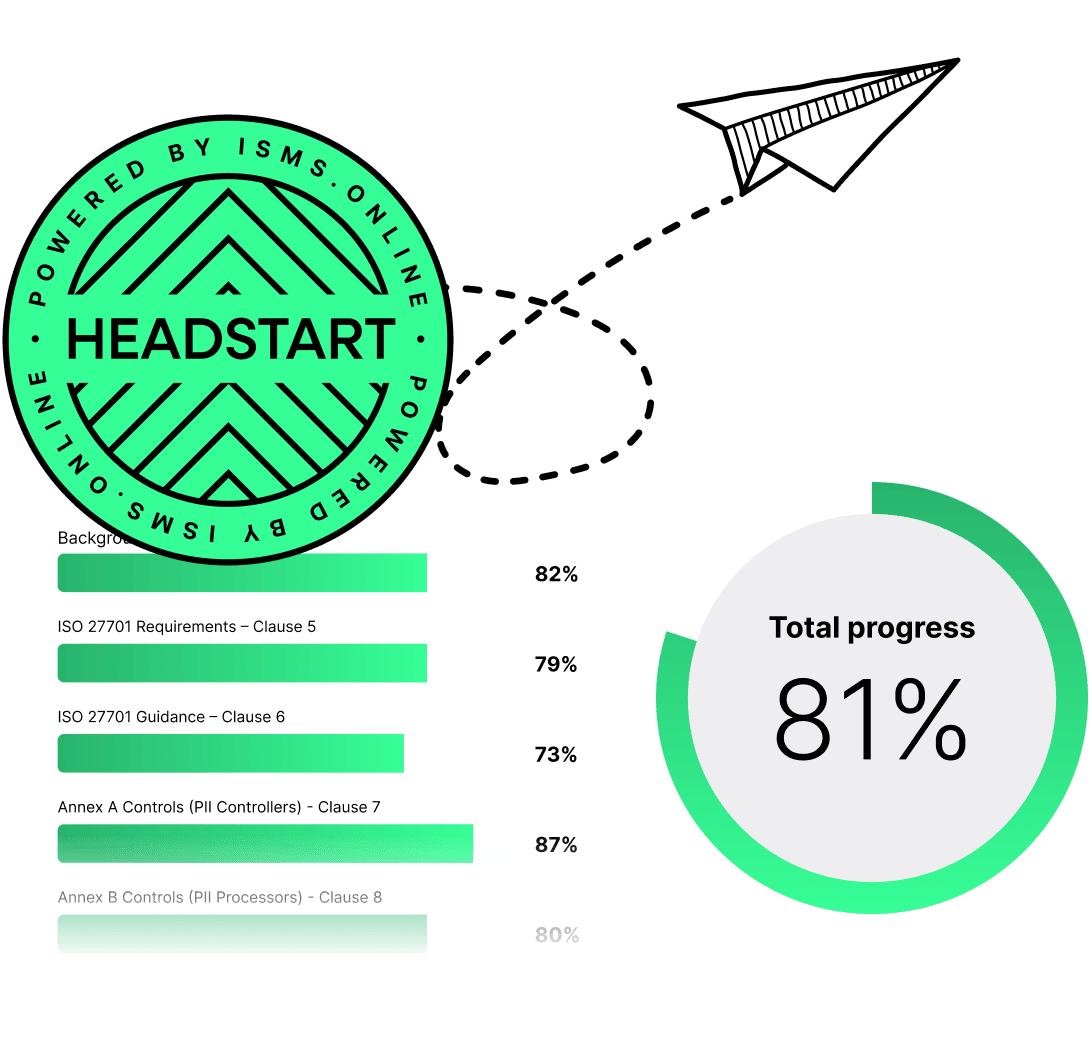
An 81% Headstart from day one
We’ve done the hard work for you, giving you an 81% Headstart from the moment you log on. All you have to do is fill in the blanks.
Understanding Stakeholder Needs
What Stakeholders Need to Know About the Statement of Applicability
Effectively addressing stakeholder concerns is crucial for communicating the Statement of Applicability (SoA). By tailoring communication, organisations can ensure the SoA is relevant and impactful, fostering trust and engagement.
Identifying Stakeholder Needs and Expectations
To communicate effectively, it’s essential to understand stakeholder needs. This involves:
- Conducting Surveys: Directly gather insights from stakeholders.
- Analysing Feedback: Use past interactions to inform future communication.
- Engaging in Dialogue: Regular discussions reveal evolving needs.
Tailoring Communication to Different Stakeholders
Different stakeholders require distinct communication strategies. Consider:
- Customising Messages: Adapt language and content to suit each audience.
- Using Visual Aids: Simplify complex information with charts and diagrams.
- Providing Context: Relate the SoA to broader organisational goals.
Importance of Stakeholder Feedback
Feedback is invaluable for refining communication strategies. It ensures the SoA meets expectations and aligns with stakeholder needs. Regular updates reflecting changing security needs improve engagement.
Strategies for Addressing Stakeholder Needs
Effective strategies include:
- Regular Updates: Keep stakeholders informed of changes and improvements.
- Open Channels: Encourage questions and discussions to foster transparency.
- Continuous Improvement: Use feedback to enhance communication and the SoA.
By understanding and addressing stakeholder needs, organisations can ensure the SoA is both relevant and effective, fostering trust and engagement. Our platform, ISMS.online, offers tools to streamline these processes, enhancing communication and compliance success.
Crafting Clear and Concise Messages
How to Achieve Clarity and Conciseness in Compliance Communication
In compliance communication, clarity and conciseness are essential. By focusing on key elements and using straightforward language, you can simplify complex information, making it accessible to stakeholders. This approach not only enhances understanding but also fosters engagement, ensuring your Statement of Applicability (SoA) effectively reaches its audience.
The Role of Clarity and Conciseness
Clear communication is crucial for compliance success. It ensures stakeholders grasp the core message without wading through jargon or unnecessary details. Prioritising clarity helps overcome objections to simplifying technical language, paving the way for more effective communication strategies.
Elements of Effective Messaging
- Simplicity: Use straightforward language to convey complex ideas.
- Relevance: Tailor messages to address specific stakeholder concerns.
- Consistency: Maintain a uniform tone and style throughout.
Techniques for Crafting Clear Messages
- Avoid Jargon: Choose simpler alternatives to technical terms.
- Use Visual Aids: Employ charts and diagrams to illustrate key points.
- Engage Emotionally: Highlight the ease of understanding clear messages to evoke positive responses.
Simplifying Complex Information
Break down complex information into manageable parts. Use bullet points to highlight key aspects and provide examples to illustrate your points. This method enhances comprehension and encourages stakeholder involvement.
Our platform, ISMS.online, offers tools to streamline compliance communication, ensuring your messages are clear, concise, and impactful. Discover how we can support your compliance journey.

Free yourself from a mountain of spreadsheets
Embed, expand and scale your compliance, without the mess. IO gives you the resilience and confidence to grow securely.
How Can Visual Aids Enhance Communication of the Statement of Applicability?
The Power of Visual Aids
Visual aids transform complex data into engaging visuals, making compliance communication more effective. By converting intricate information into clear visuals, they enhance comprehension and retention, crucial for the Statement of Applicability (SoA) under ISO 27001.
Effective Visual Tools for Compliance
Selecting the right visual tools can significantly boost communication. Consider these options:
- Charts and Graphs: Ideal for illustrating trends and comparisons.
- Diagrams: Perfect for mapping processes and relationships.
- Infographics: Combine text and visuals for succinct information delivery.
Benefits of Visual Aids
Visual aids engage participants by providing clarity and focus. They help in:
- Simplifying Complex Data: Breaking down information into digestible visuals.
- Boosting Retention: Visuals are more memorable than text alone.
- Facilitating Comprehension: Making abstract concepts tangible.
Strategies for Visual Integration
To effectively integrate visual aids, follow these steps:
- Identify Key Data: Determine which information benefits most from visual representation.
- Select Suitable Formats: Choose visuals that best convey the intended message.
- Maintain Consistency: Ensure a uniform style to reinforce brand identity and professionalism.
Enhancing Understanding
Visual aids are essential for bridging the gap between technical jargon and practical insights. They foster engagement by making the SoA more relatable and accessible, aligning with ISO 27001 requirements (Clause 7.3).
Our platform, ISMS.online, offers tools to seamlessly integrate visual aids into your compliance communication, enhancing clarity and engagement. Discover how we can support your organisation’s journey towards effective participant interaction and ISO 27001 compliance.
Engaging Stakeholders Effectively
Best Practices for Stakeholder Engagement in Compliance
Engaging stakeholders is crucial for compliance success, fostering trust and supporting initiatives. Consider these practices:
- Maintain Open Communication: Keep stakeholders informed and involved through regular updates.
- Implement Feedback Mechanisms: Encourage stakeholder input to foster collaboration and improve strategies.
- Customise Messaging: Tailor communication to address the specific needs and concerns of each stakeholder group.
Measuring and Improving Stakeholder Engagement
Assessing engagement involves evaluating communication strategies and identifying improvement areas:
- Conduct Surveys and Feedback Sessions: Gather insights into stakeholder perceptions and expectations.
- Track Engagement Metrics: Monitor participation rates and feedback quality to gauge engagement levels.
- Refine Strategies Continuously: Use data-driven insights to enhance communication and engagement.
Importance of Stakeholder Engagement for Compliance
Effective engagement aligns compliance efforts with organisational goals, ensuring all parties understand their roles. This alignment facilitates smoother audits and enhances credibility. Engaged stakeholders are more likely to support compliance initiatives, contributing to a robust security posture.
Enhancing Stakeholder Engagement with Technology
Technology enhances engagement by providing tools for better interaction and communication. Platforms like ISMS.online streamline communication, making it easier to share updates and gather feedback. By utilising technology, organisations can improve engagement, build trust, and support compliance efforts.
Our platform, ISMS.online, offers tools to enhance stakeholder engagement, ensuring your compliance communication is clear, concise, and effective. Discover how we can support your organisation’s journey towards ISO 27001 compliance and beyond.

Manage all your compliance, all in one place
ISMS.online supports over 100 standards and regulations, giving you a single platform for all your compliance needs.
Preparing for Auditor Inquiries
How to Prepare for Auditor Inquiries on the Statement of Applicability
Audit readiness is crucial for maintaining compliance and reducing stress during audits. Preparation involves anticipating common auditor questions, particularly those concerning the rationale for control inclusion or exclusion within the Statement of Applicability (SoA). Having comprehensive documentation readily available is essential for demonstrating compliance and audit readiness.
Common Auditor Questions About the Statement of Applicability
Auditors often seek clarity on the rationale behind selected controls and any exclusions. They aim to understand how these decisions align with organisational risks and objectives. Addressing these questions confidently requires thorough preparation and a deep understanding of the SoA’s role in risk management.
Importance of Documentation for Audits
Documentation serves as the backbone of audit readiness, providing evidence of compliance and supporting the organisation’s security posture. Regular updates and reviews of the SoA ensure that all documentation is current and reflects any changes in the organisation’s risk environment.
Strategies for Ensuring Audit Readiness
- Regular Reviews: Conduct periodic reviews of the SoA to ensure alignment with current risks and objectives.
- Comprehensive Documentation: Maintain detailed records of control implementations and justifications.
- Stakeholder Engagement: Involve key stakeholders in the preparation process to ensure alignment and understanding.
- Training and Awareness: Educate team members on the importance of the SoA and their roles in maintaining compliance.
Gaining Confidence Through Audit Readiness
Being audit-ready not only enhances compliance but also instils confidence within the organisation. It demonstrates a commitment to security and transparency, fostering trust among stakeholders and auditors. Our platform, ISMS.online, offers tools to streamline audit preparation, ensuring your organisation is always ready for inquiries.
Further Reading
How Can Technology Enhance Communication of the Statement of Applicability?
Incorporating technology into compliance communication revolutionises how organisations convey complex information. By streamlining processes and enhancing clarity, technology supports effective communication of the Statement of Applicability (SoA).
Benefits of Integrating Technology
- Efficiency: Technology reduces time and effort in communication, allowing for quicker dissemination of information.
- Clarity: Tools like data visualisation enhance understanding by presenting complex data in an accessible format.
- Engagement: Interactive platforms foster stakeholder involvement, making communication more dynamic.
Tools and Platforms for Compliance Communication
- ISMS.online: Our platform offers comprehensive tools for managing and communicating compliance efforts.
- Collaboration Software: Platforms like Slack and Microsoft Teams facilitate real-time communication and feedback.
- Data Visualisation Tools: Tools such as Tableau and Power BI transform complex data into accessible visuals.
Importance of Technology in Communication
Utilising technology is vital for efficient communication, enabling organisations to convey complex compliance information clearly and concisely. It supports the integration of various communication channels, ensuring consistent messaging across platforms.
Strategies for Effective Integration
- Assess Needs: Identify specific communication challenges and select appropriate technology solutions.
- Implement Gradually: Introduce new tools in phases to ensure smooth adoption.
- Train Stakeholders: Provide training to ensure effective use of technology in communication strategies.
By integrating technology into communication strategies, organisations can enhance their compliance efforts, ensuring clarity and engagement. Our platform, ISMS.online, supports this integration, offering tools to streamline communication and improve compliance outcomes. Embrace technology to elevate your communication strategy and achieve compliance success.
How Can Continuous Improvement Be Applied to Communication Strategies?
Continuous improvement fortifies communication strategies, ensuring they remain effective and relevant. By fostering ongoing enhancement, organisations can better engage stakeholders and bolster compliance success, ultimately reinforcing organisational security.
Feedback’s Role in Communication Enhancement
Feedback is crucial for continuous improvement, offering insights into stakeholder needs and expectations. Actively seeking and integrating feedback refines communication strategies, ensuring they are impactful and aligned with stakeholder priorities. This iterative process enhances transparency and trust, vital for compliance communication.
Implementing Continuous Improvement
To effectively implement continuous improvement, organisations should:
- Review Communication Strategies Regularly: Evaluate current methods and identify enhancement areas.
- Engage Stakeholders: Foster open dialogue to gather diverse perspectives.
- Utilise Technology: Employ platforms like ISMS.online to streamline communication and feedback processes.
Benefits for Compliance
Continuous improvement in communication strategies enhances stakeholder engagement and compliance outcomes. Regular updates and refinements maintain alignment with evolving security needs and regulatory requirements, supporting a robust security posture.
Embrace continuous improvement to elevate communication strategies and achieve compliance success. Explore how our platform, ISMS.online, can support your organisation’s journey towards enhanced communication and security.
Addressing Common Challenges in Communicating the Statement of Applicability
Navigating Common Communication Hurdles
Communicating the Statement of Applicability (SoA) effectively requires overcoming several challenges. These include ensuring clarity, engaging diverse stakeholders, and aligning with organisational objectives. Misunderstandings often stem from technical jargon or inconsistent messaging, which can impede compliance efforts.
Strategies to Tackle Communication Challenges
To address these issues, organisations should adopt proactive communication strategies:
- Simplify Language: Use straightforward language to ensure all stakeholders understand the SoA’s purpose and content.
- Provide Regular Updates: Keep stakeholders informed of changes to the SoA, fostering transparency and trust.
- Utilise Visual Aids: Employ charts and diagrams to illustrate complex information, enhancing comprehension.
The Importance of Proactive Communication
Proactive communication is crucial for preventing misunderstandings and fostering strong stakeholder relationships. By addressing potential issues before they arise, organisations can enhance compliance success and support organisational security. This approach not only builds trust but also ensures alignment with ISO 27001 requirements (Clause 7.3).
Developing Effective Communication Strategies
Organisations can develop effective strategies by:
- Engaging Stakeholders: Actively involve stakeholders in the communication process to ensure their needs and concerns are addressed.
- Embracing Technology: Use platforms like ISMS.online to streamline communication and enhance engagement.
- Continuous Improvement: Regularly review and refine communication strategies based on feedback and evolving needs.
By proactively addressing common communication challenges, organisations can enhance compliance success and support their security posture. Our platform, ISMS.online, offers tools to streamline these efforts, ensuring your communication strategies are effective and aligned with organisational goals. Discover how we can support your compliance journey today.
Best Practices for Compliance Communication
Crafting Effective Compliance Messages
Clear and concise communication is crucial for engaging stakeholders and strengthening your organisation’s security posture. By tailoring messages to your audience, you build trust and ensure compliance success.
Implementing Best Practices
To effectively implement these practices, your organisation should:
- Understand Audience Needs: Customise communications to address specific concerns and preferences.
- Simplify Messaging: Use straightforward language to enhance clarity and prevent misunderstandings.
- Visualise Data: Utilise diagrams and charts to make complex information more accessible.
- Encourage Interaction: Foster open dialogue with stakeholders to refine communication strategies.
Importance of Best Practices
Adopting these practices aligns communication with organisational objectives and ensures adherence to ISO 27001 standards (Clause 7.3). They enhance transparency, build trust, and support audit readiness.
Tailoring Strategies to Your Organisation
Each organisation has unique requirements, necessitating customised communication strategies. Consider:
- Adapting Content: Modify language and content to suit diverse audiences.
- Regularly Refreshing Information: Keep stakeholders updated on changes and enhancements.
- Utilising Feedback: Use stakeholder insights to refine communication methods.
By implementing and customising these best practices, your organisation can improve compliance success and stakeholder engagement. Our platform, ISMS.online, offers tools to streamline these efforts, ensuring your communication strategies are effective and aligned with organisational goals. Embrace these practices to elevate your compliance communication and achieve success.
Discover the Benefits of ISMS.online for Compliance Communication
How ISMS.online Transforms Compliance Communication
ISMS.online revolutionises compliance communication by offering a comprehensive suite of tools designed to streamline and elevate your organisation’s security posture. Tailored for ISO 27001 compliance, our platform ensures your strategies are both efficient and effective.
Key Features of ISMS.online
- Integrated Tools: Access a robust suite of compliance management tools, including risk assessment, policy management, and incident response.
- User-Friendly Interface: Simplify complex compliance processes, making them accessible to all stakeholders.
- Real-Time Collaboration: Enable seamless communication and collaboration across your organisation with our intuitive platform.
Why ISMS.online is Essential for Compliance Communication
Choosing ISMS.online means partnering with a platform dedicated to your compliance success. Our services not only address your current needs but also adapt to future challenges, ensuring your organisation remains agile and compliant.
- Enhanced Efficiency: Automate routine tasks and reduce administrative burdens, allowing your team to focus on strategic initiatives.
- Improved Stakeholder Engagement: Foster transparency and trust with stakeholders through clear and concise communication.
- Proven Results: Organisations using ISMS.online report a significant reduction in compliance-related incidents, underscoring the platform’s effectiveness.
How Organisations Benefit from ISMS.online
By utilising ISMS.online, your organisation can achieve a seamless compliance journey, characterised by confidence and peace of mind. Our platform's unique selling points, coupled with its transformative results, make it an indispensable tool for any compliance-focused organisation.
Experience the difference with ISMS.online and elevate your compliance communication to new heights. Engage with us to discover how our platform can support your organisation's journey towards enhanced security and compliance success.
Book a demoFrequently Asked Questions
Understanding the Statement of Applicability
Defining the Statement of Applicability
The Statement of Applicability (SoA) is integral to ISO 27001 compliance, detailing the security controls chosen for an organisation’s Information Security Management System (ISMS). It acts as a strategic blueprint, aligning security measures with organisational objectives and ensuring each control is justified and purposeful. This alignment is crucial for maintaining a robust security posture and meeting the expectations of stakeholders and auditors.
Importance in Risk Management
The SoA is crucial in risk management by clearly outlining the rationale behind each control. This clarity enhances an organisation’s ability to manage risks effectively, providing a framework for continuous improvement and adaptation to evolving threats. By demonstrating compliance and supporting risk management, the SoA is indispensable in maintaining a secure environment.
Enhancing Stakeholder Trust
Effective communication of the SoA builds trust with stakeholders by showcasing a commitment to security and compliance. This transparency strengthens relationships and prepares organisations for audits, ensuring readiness and confidence. By aligning security controls with identified risks, the SoA enhances stakeholder trust and audit readiness.
Role in ISO 27001 Compliance
In the context of ISO 27001, the SoA is essential for demonstrating compliance. It provides a comprehensive overview of the security controls implemented, justifying any exclusions and aligning with the organisation’s risk management strategy. This alignment supports a robust security posture and enhances stakeholder trust.
- Key Components of the SoA:
- Security Controls: Specific measures implemented to mitigate risks.
- Justifications: Reasons for including or excluding certain controls.
- Alignment with Objectives: Ensures controls support organisational goals.
Our platform, ISMS.online, simplifies SoA management, providing tools to streamline compliance efforts and enhance stakeholder engagement. Discover how we can support your organisation’s journey towards ISO 27001 certification and beyond.
Enhancing Communication Strategies for Compliance Success
The Importance of Effective Communication
Effective communication is the backbone of compliance, fostering transparency and trust with stakeholders and auditors. Ensuring everyone understands their roles and responsibilities streamlines compliance efforts and enhances audit readiness (ISO 27001:2022 Clause 5.3).
Benefits of Clear Communication
Clear communication builds trust, enhances stakeholder engagement, and supports compliance objectives. It ensures alignment, reduces misunderstandings, and facilitates smoother audits (ISO 27001:2022 Clause 9.2).
Crafting Clear and Concise Messages
- Simplify Complex Ideas: Use straightforward language to convey intricate concepts.
- Address Stakeholder Concerns: Customise messages to meet specific stakeholder needs.
- Maintain Consistent Messaging: Ensure a uniform tone and style throughout communication.
Role of Technology in Enhancing Communication
Technology significantly improves communication strategies. By utilising tools like ISMS.online, organisations can streamline processes, enhance clarity, and foster stakeholder engagement.
Key Elements of Effective Communication
- Clarity: Ensure messages are easily understood by all stakeholders.
- Engagement: Encourage open dialogue and feedback.
- Adaptability: Tailor communication strategies to different audiences.
Tailoring Communication to Different Stakeholders
Different stakeholders have unique needs and expectations. Customise communication to address these differences, using visual aids and clear language to enhance understanding.
Utilising Technology for Improved Communication
Employ technology to refine communication strategies, making complex information more accessible. Platforms like ISMS.online offer tools to streamline communication, ensuring clarity and engagement.
By adopting these strategies, organisations can enhance their communication efforts, supporting compliance success and building trust with stakeholders. Engage with us to discover how ISMS.online can elevate your communication strategies and achieve compliance success.
Overcoming Communication Challenges in Compliance
Identifying Key Obstacles
Effective compliance communication requires navigating several challenges, including ensuring clarity, engaging diverse stakeholders, and aligning with organisational objectives. Misunderstandings often arise from technical jargon or inconsistent messaging, potentially hindering compliance efforts.
Strategies for Effective Resolution
To address these challenges, organisations should adopt proactive communication strategies:
- Simplify Language: Use straightforward terminology to ensure all stakeholders understand the Statement of Applicability’s purpose and content.
- Regular Updates: Keep stakeholders informed about changes to the SoA, fostering transparency and trust.
- Visual Tools: Utilise diagrams and charts to break down complex information, enhancing comprehension.
The Power of Proactive Communication
Proactive communication is essential for preventing misunderstandings and fostering strong stakeholder relationships. By addressing potential issues before they arise, organisations can enhance compliance success and support organisational security. This approach builds trust and ensures alignment with ISO 27001 requirements (Clause 7.3).
Developing Robust Strategies
Organisations can develop effective strategies by:
- Engaging Stakeholders: Involve stakeholders in the communication process to address their needs and concerns.
- Utilising Technology: Use platforms like ISMS.online to streamline communication and enhance engagement.
- Commitment to Improvement: Continuously review and refine communication strategies based on feedback and evolving needs.
By proactively addressing communication challenges, organisations can enhance compliance success and support their security posture. Our platform, ISMS.online, offers tools to streamline these efforts, ensuring your communication strategies are effective and aligned with organisational goals. Discover how we can support your compliance journey today.
Measuring and Improving Stakeholder Engagement
The Critical Role of Stakeholder Engagement in Compliance
Engaging stakeholders is pivotal for aligning compliance efforts with organisational objectives. This alignment not only fosters trust but also ensures that all parties comprehend their roles, contributing to a secure and compliant environment.
Best Practices for Effective Engagement
To enhance stakeholder engagement, consider these strategies:
- Consistent Updates: Keep stakeholders informed with regular updates on compliance efforts, ensuring they remain engaged and informed.
- Interactive Feedback: Foster a collaborative environment by encouraging stakeholders to share their insights and concerns.
- Customised Communication: Tailor messages to address the unique needs and expectations of different stakeholder groups.
Measuring and Enhancing Stakeholder Engagement
Evaluating stakeholder engagement involves assessing communication strategies and identifying areas for improvement. Consider these methods:
- Insightful Surveys: Use surveys to gather feedback on stakeholder perceptions and expectations.
- Participation Tracking: Monitor engagement levels through participation rates and feedback quality.
- Iterative Refinement: Use data-driven insights to continuously refine communication strategies.
Enhancing Engagement Through Technology
Technology plays a significant role in improving stakeholder engagement by offering tools for better interaction and communication. Platforms like ISMS.online provide features that streamline communication, making it easier to share updates and gather feedback. By utilising technology, organisations can enhance engagement, build trust, and support compliance efforts.
Our platform, ISMS.online, offers tools to enhance stakeholder engagement, ensuring your compliance communication is clear, concise, and effective. Discover how we can support your organisation’s journey towards ISO 27001 compliance and beyond.
Preparing for Auditor Inquiries
Anticipating Auditor Inquiries
Understanding the Statement of Applicability (SoA) is crucial for audit preparation. Organisations must justify their control selections and exclusions to demonstrate alignment with the ISO 27001 standard.
Common Auditor Questions
Auditors often probe the rationale behind selected controls and any omissions. They seek to understand how these decisions align with your organisation’s risk management strategy. A thorough grasp of the SoA’s role in risk mitigation is essential.
Documentation’s Role in Audits
Documentation underpins audit readiness, substantiating compliance efforts and fortifying your security framework. Regular updates and reviews ensure the SoA remains current and reflective of any changes in the risk environment.
Strategies for Audit Readiness
- Routine Evaluations: Regularly assess the SoA to confirm alignment with evolving risks and objectives.
- Meticulous Record-Keeping: Maintain detailed records of control implementations and justifications.
- Stakeholder Collaboration: Engage key stakeholders in the audit preparation process for comprehensive understanding.
- Educational Initiatives: Train team members on the SoA’s significance and their roles in maintaining compliance.
Building Confidence Through Audit Readiness
Achieving audit readiness enhances compliance and instils confidence within your organisation. It signifies a commitment to security and transparency, fostering trust among stakeholders and auditors. Our platform, ISMS.online, provides tools to streamline audit preparation, ensuring your organisation is always equipped for inquiries.
Implementing Best Practices for Compliance Communication
The Necessity of Best Practices
Adopting best practices in compliance communication is crucial for aligning with the ISO 27001 standard and building trust. These practices enhance transparency, a key factor in engaging stakeholders and ensuring audit readiness.
Core Best Practices for Compliance Communication
- Know Your Audience: Tailor messages to meet the needs of stakeholders and auditors, ensuring clarity and precision.
- Simplify Language: Break down complex jargon into accessible terms to improve understanding.
- Use Visual Tools: Diagrams and charts clarify intricate data, enhancing retention and comprehension.
- Foster Open Dialogue: Establish channels for feedback to continuously refine communication strategies.
Implementing Best Practices in Organisations
To effectively implement these practices, organisations should:
- Revise Communication Strategies: Align with evolving compliance needs and stakeholder expectations.
- Utilise Advanced Platforms: Tools like ISMS.online streamline communication processes and enhance engagement.
- Invest in Training: Equip your team with the skills necessary for effective communication and compliance maintenance.
Customising Best Practices for Different Organisations
Each organisation has unique requirements, necessitating customised communication strategies. Consider:
- Adjust Language and Content: Ensure messages resonate with diverse audiences.
- Provide Regular Updates: Keep stakeholders informed of changes and improvements.
- Incorporate Stakeholder Insights: Use feedback to refine communication methods.
By adopting and tailoring these best practices, organisations can enhance compliance success and stakeholder engagement. Our platform, ISMS.online, offers tools to streamline these efforts, ensuring your communication strategies are effective and aligned with organisational goals. Embrace these practices to elevate your compliance communication and achieve success.






