





































Leadership’s Strategic Role in Approving and Maintaining the SoA
How Leadership Shapes the Statement of Applicability in ISO 27001
Leadership is crucial in shaping the Statement of Applicability (SoA) within the ISO 27001 framework. This document outlines applicable security controls, reflecting an organisation’s commitment to compliance and risk management. Leaders ensure the SoA aligns with business goals and addresses identified risks, enhancing both security and operational efficiency.
Leadership’s Influence on Compliance
Leadership decisions significantly impact compliance. By approving and maintaining the SoA, leaders ensure that the organisation is prepared to address evolving threats. This proactive approach fosters a culture of continuous improvement and audit readiness, essential for maintaining ISO 27001 compliance.
- Strategic Alignment with Business Goals:
- Aligning the SoA with business goals requires strategic foresight.
- Leadership must ensure that the SoA reflects the organisation’s risk appetite and compliance requirements.
- This strategic alignment not only enhances security but also supports operational efficiency.
Impact on Risk Management
Leadership commitment is essential for effective SoA implementation, as noted by Dr. John Smith, ISO 27001 expert. By focusing on these areas, leadership can ensure the SoA is effectively approved and maintained, supporting the organisation’s overall information security strategy and compliance with ISO 27001 standards.
Importance of Leadership Commitment
Leadership commitment is the cornerstone of effective SoA management. It involves allocating resources, promoting training, and fostering a security-conscious culture. By prioritising these elements, leaders can drive compliance success and support the organisation's overall information security strategy.
Our platform, ISMS.online, empowers leaders to streamline SoA processes, ensuring alignment with business goals and compliance requirements. Discover how we can support your organisation's journey towards ISO 27001 certification by booking a demo today.
Book a demoWhy is Leadership Essential for ISO 27001 Compliance?
How Does Leadership Drive Compliance Success?
Leadership drives ISO 27001 compliance by providing vision and strategically deploying resources, ensuring optimal use of financial, technological, and human assets. This foresight not only strengthens the organisation’s security posture but also streamlines processes, reducing manual compliance burdens. Notably, 85% of compliance officers seek tools to minimise manual efforts, highlighting leadership’s essential role in resource allocation.
Fostering a Culture of Compliance
Creating a culture of compliance is vital for ISO 27001 success. Leadership plays a crucial role in embedding compliance into the organisational ethos, promoting awareness and training programmes that empower employees. This cultural shift ensures that security becomes a shared responsibility, fostering an environment where compliance is not just a requirement but a core value.
Strategic Direction for Compliance
Leadership provides the strategic direction necessary for achieving and maintaining ISO 27001 compliance. By aligning compliance efforts with business objectives, leaders ensure that the Statement of Applicability reflects the organisation’s risk appetite and compliance requirements. This alignment enhances security and supports operational efficiency, positioning the organisation to effectively manage evolving threats.
Impact on Compliance Success
Leadership commitment is a driving force behind compliance success. By providing vision and resources, leaders empower their teams to implement and maintain effective compliance strategies. This proactive approach fosters a culture of continuous improvement and audit readiness, essential for maintaining ISO 27001 compliance.
Leadership’s influence extends beyond resource allocation and strategic direction. By fostering a culture of compliance, leaders ensure that ISO 27001 becomes an integral part of the organisation’s operations, driving success and enhancing security. As we explore the broader implications of leadership in compliance, it becomes evident that their role is indispensable in achieving and maintaining ISO 27001 standards.
ISO 27001 made easy
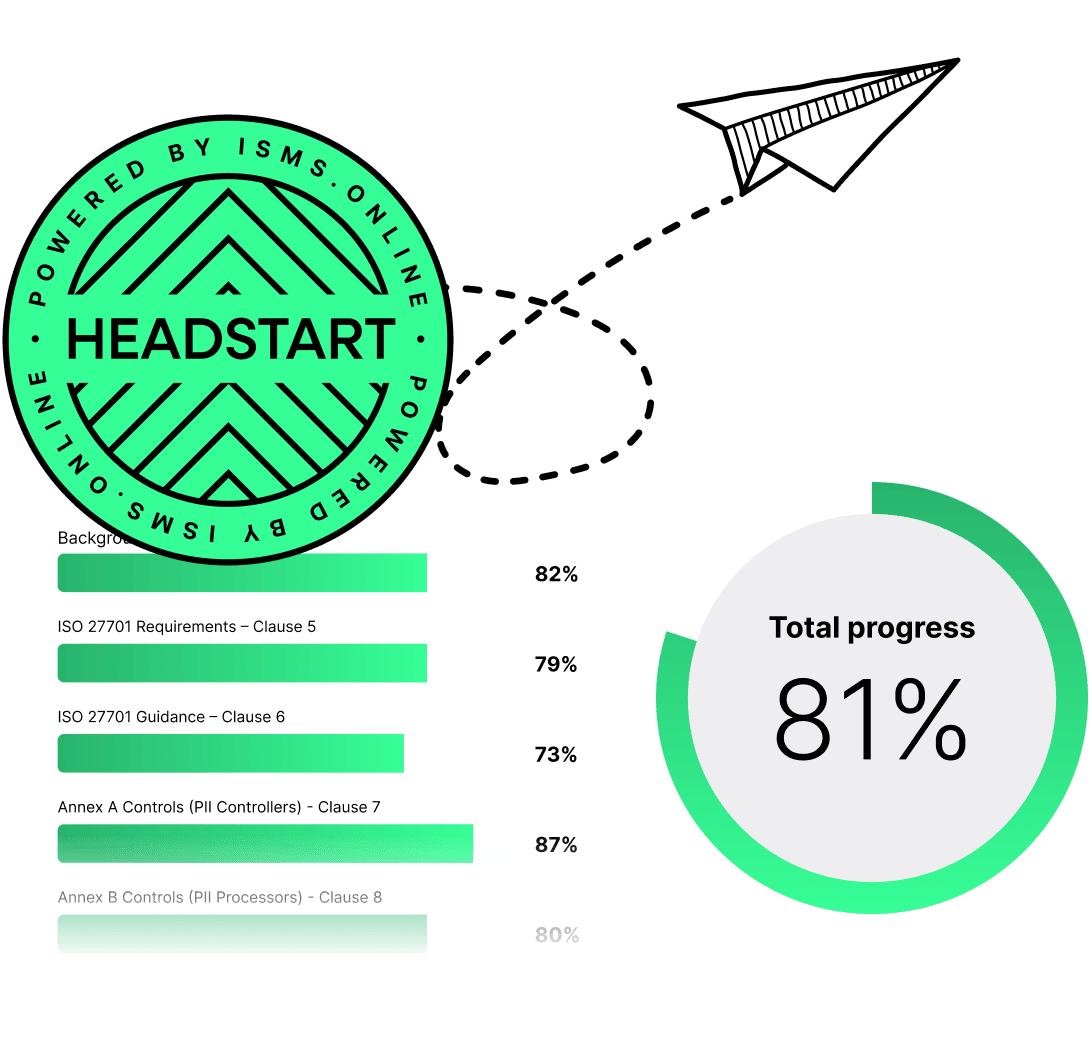
An 81% Headstart from day one
We’ve done the hard work for you, giving you an 81% Headstart from the moment you log on. All you have to do is fill in the blanks.
How Do Leaders Approve the Statement of Applicability?
Leadership approval of the Statement of Applicability (SoA) is a critical process in ISO 27001 compliance, demanding a strategic approach to align with organisational risk management strategies. This involves a series of steps designed to ensure that the SoA not only meets compliance obligations but also supports the organisation’s strategic objectives.
Steps in the SoA Approval Process
-
Risk Assessment Review: Leaders begin by evaluating the risk assessments to identify applicable security controls. This step ensures that the SoA is tailored to the organisation’s unique risk environment.
-
Alignment with Strategic Objectives: The SoA must reflect the organisation’s strategic goals. Leaders assess how the proposed controls align with these objectives, ensuring that they support both security and operational efficiency.
-
Compliance Considerations: Leaders must consider compliance obligations, ensuring that the SoA meets all regulatory requirements. This involves a thorough review of legal and industry standards.
-
Stakeholder Engagement: Effective SoA approval requires input from key stakeholders, including compliance officers and IT managers. This collaborative approach ensures that all perspectives are considered.
Leadership Considerations in Approval
Leaders face several challenges in the SoA approval process. One significant challenge is ensuring that the SoA remains aligned with evolving risk environments. As threats change, so too must the controls outlined in the SoA. Additionally, leaders must balance the need for robust security measures with the organisation’s operational needs.
Ensuring Alignment with Risk Management Strategies
To ensure alignment, leaders must continuously monitor and review the SoA. This involves setting performance metrics and conducting regular audits to assess the effectiveness of the controls in place. By doing so, leaders can identify areas for improvement and make necessary adjustments to maintain compliance and security.
Leadership approval of the SoA is a dynamic process that requires careful consideration of risk management strategies, compliance obligations, and strategic objectives. By addressing these factors, leaders can ensure that the SoA effectively supports the organisation’s information security goals.
Leadership’s Role in Maintaining the Statement of Applicability
Leadership’s Responsibilities in Maintaining the SoA
Leadership ensures the Statement of Applicability (SoA) remains integral to the ISO 27001 framework through regular updates and reviews, aligning with organisational risks and objectives.
Frequency of SoA Reviews and Updates
Annual reviews keep the SoA relevant, allowing leadership to adapt to changes in risk environments and priorities, ensuring it reflects the organisation’s security posture and compliance needs (ISO 27001:2022 Clause 9.3).
Factors Influencing SoA Maintenance
Leadership must stay vigilant to technological advancements and evolving business objectives. By adapting the SoA to new threats and opportunities, leaders maintain compliance and strengthen the security framework.
Ensuring SoA Relevance and Effectiveness
Leadership fosters a culture of continuous improvement by setting performance metrics, conducting audits, and involving stakeholders in reviews. These actions drive compliance success and bolster the organisation’s information security strategy (ISO 27001:2022 Clause 10.1).
Strategic Alignment
The next section explores frameworks for aligning the SoA with strategic objectives, enhancing security and operational efficiency.

Free yourself from a mountain of spreadsheets
Embed, expand and scale your compliance, without the mess. IO gives you the resilience and confidence to grow securely.
Aligning the SoA with Business Goals
How Can the SoA Be Aligned with Business Goals?
Aligning the Statement of Applicability (SoA) with your organisation’s business goals is crucial for achieving ISO 27001 compliance. This alignment requires a strategic approach, integrating the SoA with your objectives and risk management frameworks to ensure security measures enhance operational efficiency and compliance.
Strategies for Alignment
-
Integrate with Strategic Objectives: Leaders must align the SoA with strategic goals, ensuring security controls support business priorities. This involves mapping security measures to key objectives, enhancing operational efficiency.
-
Risk Management Frameworks: Utilise risk management frameworks to align the SoA with business goals. By integrating risk assessments with strategic planning, your organisation can address both current and emerging threats.
Importance of Alignment
Aligning the SoA with business goals is essential for maintaining ISO 27001 compliance. This alignment ensures security measures support organisational success, enhancing both security and operational efficiency. By aligning the SoA with business objectives, your organisation can streamline compliance processes and reduce manual tasks.
Challenges in Alignment
Aligning the SoA with business goals can present challenges, particularly when conflicting priorities arise. Balancing security measures with business objectives requires careful consideration and strategic planning. Organisations must navigate these challenges to ensure the SoA remains relevant and effective.
Impact on Organisational Success
Aligning the SoA with business goals supports organisational success by ensuring security measures enhance operational efficiency and compliance. This alignment fosters a culture of continuous improvement, positioning your organisation to effectively manage evolving threats and maintain ISO 27001 compliance.
By integrating the SoA with strategic objectives and risk management frameworks, your organisation can ensure that security measures support both business goals and compliance requirements. Our platform, ISMS.online, offers tools to streamline this alignment, supporting your organisation’s journey towards ISO 27001 certification.
Overcoming Challenges in SoA Maintenance
Navigating the Complexities of SoA Maintenance
Maintaining the Statement of Applicability (SoA) within the ISO 27001 framework involves addressing several challenges. These include adapting to shifts in security challenges and aligning with evolving organisational goals. Leadership plays a vital role in overcoming these hurdles, ensuring compliance and effectiveness.
Common Challenges in SoA Maintenance
- Adapting to Security Changes: The threat landscape is ever-changing, necessitating regular updates to the SoA to address new vulnerabilities.
- Aligning with Organisational Shifts: As business objectives evolve, the SoA must be adjusted to reflect these changes, ensuring alignment with strategic goals.
- Resource Allocation: Ensuring adequate resources for maintaining the SoA can be challenging, particularly in organisations with limited budgets.
Strategies for Overcoming Challenges
- Regular Reviews: Conducting periodic reviews of the SoA ensures it remains relevant and effective. This involves assessing the current security challenges and making necessary adjustments.
- Leadership Commitment: Strong leadership commitment is essential for maintaining the SoA. Leaders must prioritise continuous improvement and allocate resources to support compliance efforts.
- Stakeholder Engagement: Involving key stakeholders in the review process ensures diverse perspectives are considered, enhancing the SoA’s effectiveness.
Ensuring Ongoing Compliance and Effectiveness
To ensure ongoing compliance and effectiveness, organisations must adopt a proactive approach to SoA maintenance. This includes setting clear performance metrics, conducting regular audits, and fostering a culture of continuous improvement. By prioritising these elements, leadership can drive compliance success and support the organisation’s overall information security strategy.
Addressing these challenges requires a strategic approach, with leadership playing a key role in ensuring the SoA remains a dynamic and effective tool for managing information security risks. This foundation enables organisations to navigate the complexities of ISO 27001 compliance with confidence and clarity.

Manage all your compliance, all in one place
ISMS.online supports over 100 standards and regulations, giving you a single platform for all your compliance needs.
Leadership’s Role in Risk Management
How Leadership Shapes Risk Management
Leadership is pivotal in crafting risk management strategies, ensuring the Statement of Applicability (SoA) effectively addresses organisational risks and aligns with ISO 27001 standards. By setting a clear vision and strategic direction, leaders ensure risk management aligns with organisational objectives and regulatory requirements.
Ensuring the SoA Addresses Organisational Risks
Leaders maintain the SoA’s relevance through regular reviews and updates, adapting to changes in the risk environment and organisational priorities. By fostering a culture of continuous improvement, leadership ensures the SoA remains a dynamic tool for managing risks and maintaining compliance.
- Strategic Risk Assessment: Leadership conducts risk assessments to identify potential threats and vulnerabilities, ensuring the SoA addresses both current and emerging risks.
- Resource Allocation: Leaders allocate resources to support risk management initiatives, optimising the deployment of financial, technological, and human assets.
Supporting Compliance with ISO 27001
Effective risk management is crucial for ISO 27001 compliance. Leaders ensure the SoA aligns with compliance requirements, enhancing the organisation’s security posture and operational efficiency. By integrating risk management with strategic planning, leadership supports a holistic approach to compliance.
Challenges in Risk Management
Leadership encounters challenges in risk management, such as adapting to evolving threats and maintaining compliance. As the risk environment changes, leaders must balance robust security measures with operational demands. This requires strategic foresight and a commitment to continuous improvement.
Leadership’s influence on risk management is integral to the success of the SoA and the organisation’s overall compliance strategy. By addressing these challenges and leveraging strategic insights, leaders ensure the SoA remains an effective tool for managing information security risks.
Further Reading
How Can Leadership Ensure Continuous Improvement and Audit Readiness?
Strategies for Continuous Improvement
Leadership is instrumental in embedding a culture of continuous improvement within an organisation. By fostering an environment that prioritises regular evaluations and updates, leaders ensure the Statement of Applicability (SoA) remains effective and aligned with ISO 27001 standards. This proactive approach not only addresses emerging threats but also strengthens the organisation’s security posture.
- Regular Evaluations: Conduct periodic assessments to keep the SoA relevant and responsive to new challenges.
- Stakeholder Involvement: Engage key stakeholders in the evaluation process to gather diverse perspectives and insights.
- Resource Allocation: Secure adequate resources to support compliance efforts and continuous improvement initiatives.
Maintaining Audit Readiness
To maintain audit readiness, leadership must integrate compliance processes with organisational objectives. This involves setting clear performance metrics and conducting regular audits to assess the effectiveness of security controls. By aligning these processes with business goals, leaders can ensure that the SoA supports both compliance and operational efficiency.
Importance of Continuous Improvement for the SoA
Continuous improvement is essential for maintaining the SoA’s effectiveness. It ensures that security measures evolve with the risk environment, addressing new threats and vulnerabilities. By fostering a culture of continuous improvement, leadership can drive compliance success and support the organisation’s overall information security strategy.
Fostering a Culture of Continuous Improvement
Leadership can cultivate a culture of continuous improvement by encouraging open communication and collaboration. This involves engaging employees at all levels, promoting training and awareness programmes, and recognising contributions to the organisation’s security efforts. By prioritising these elements, leaders can create an environment where continuous improvement is a shared responsibility.
Addressing these areas ensures that the SoA remains a dynamic and effective tool for managing information security risks. As we explore further, the focus shifts to aligning the SoA with strategic objectives, enhancing both security and operational efficiency.
Integrating the Statement of Applicability with Other Compliance Frameworks
How Can the SoA Be Integrated with Other Compliance Frameworks?
Integrating the Statement of Applicability (SoA) with other compliance frameworks is crucial for a holistic approach to risk management and compliance. This integration ensures that security measures align with your organisation’s objectives, enhancing both operational efficiency and regulatory adherence.
Strategies for Integration
-
Utilise GRC Tools: Employ Governance, Risk, and Compliance (GRC) tools to streamline the integration process. These tools facilitate the alignment of the SoA with existing frameworks like GDPR and HIPAA, ensuring a cohesive approach to risk management.
-
Standardise Processes: Implement standardised processes across frameworks to ensure consistency. This involves mapping the SoA to other compliance requirements, creating a unified strategy that addresses all regulatory obligations.
Importance and Impact of Integration
Integration is essential for effective risk management and compliance. By aligning the SoA with other frameworks, your organisation can ensure comprehensive coverage of security controls, reducing the risk of non-compliance and enhancing overall security posture. This alignment fosters a culture of continuous improvement, positioning your organisation to effectively manage evolving threats and maintain ISO 27001 compliance.
Challenges in Achieving Integration
-
Navigating Compliance Requirements: Balancing varying compliance requirements can be challenging. Your organisation must address these differences while ensuring the SoA remains relevant and effective.
-
Aligning with Organisational Priorities: Aligning the SoA with your organisational priorities requires strategic foresight. Leaders must ensure that integration supports both security and business objectives.
Addressing these challenges requires a strategic approach, with leadership playing a critical role in ensuring the SoA remains a dynamic and effective tool for managing information security risks. This foundation enables organisations to navigate the complexities of ISO 27001 compliance with confidence and clarity.
How Technology Streamlines SoA Processes
Enhancing Efficiency with Automation
Technology integration within the Statement of Applicability (SoA) processes significantly boosts productivity by automating compliance tasks and reducing manual efforts. Automation accelerates the SoA process, ensuring precision and consistency. By implementing advanced compliance software, your organisation can systematically monitor and document compliance activities, ensuring all requirements are met efficiently.
Technologies for Enhanced SoA Efficiency
Several technologies contribute to enhancing SoA efficiency:
- Compliance Software: Automates documentation and monitoring, ensuring systematic compliance.
- Automated Risk Assessments: Utilise data analytics to provide real-time insights into vulnerabilities, enabling proactive risk management.
Impact on ISO 27001 Compliance
Implementing technology in SoA processes profoundly impacts ISO 27001 compliance. It ensures security controls are consistently applied and monitored, reducing the risk of non-compliance. Additionally, technology facilitates the integration of the SoA with other compliance frameworks, creating a cohesive approach to risk management.
Challenges in Implementation
Despite its benefits, implementing technology for SoA processes presents challenges. Integration with existing systems can be complex, requiring careful planning and execution. Organisations must ensure that technological solutions align with their specific compliance needs and objectives.
Overcoming Implementation Challenges
To navigate these challenges, organisations should:
- Conduct Thorough Assessments: Evaluate existing systems and processes to identify integration points and potential obstacles.
- Engage Stakeholders: Involve key stakeholders in planning and implementation to ensure alignment with organisational goals.
- Prioritise Training: Equip teams with the necessary skills to effectively use new technologies, fostering a culture of continuous improvement.
Addressing these challenges allows organisations to harness technology’s full potential, streamlining SoA processes and enhancing both efficiency and compliance. This strategic approach not only supports ISO 27001 compliance but also positions organisations to effectively manage evolving security threats.
How Can Leadership Build a Security-Conscious Culture?
Strategies for Building a Security-Conscious Culture
Leadership is instrumental in cultivating a security-conscious culture, a cornerstone for the Statement of Applicability (SoA) to enhance organisational success and ISO 27001 compliance. By embedding security into the organisational ethos through awareness and training programmes, leaders ensure that every employee understands their role in safeguarding information.
-
Leadership Commitment: Demonstrating a strong commitment to security sets the tone for the entire organisation. Leaders must prioritise security initiatives and allocate resources to support them.
-
Regular Communication: Open and transparent communication fosters trust and ensures that all employees understand their roles in maintaining security. Regular updates on security policies and practices keep everyone informed and engaged.
-
Training and Awareness Programmes: Implementing comprehensive training programmes ensures that employees are equipped with the knowledge and skills needed to protect the organisation. These programmes should be ongoing and adaptable to address emerging threats.
Importance of a Security-Conscious Culture for the SoA
A security-conscious culture is vital for ensuring the SoA supports organisational success. By embedding security into the organisational culture, leaders ensure that security measures are not only implemented but embraced by the entire organisation, enhancing both security and compliance.
Fostering a Culture of Security
To foster a culture of security, leadership must engage employees at all levels, promoting training and awareness programmes that empower them to take ownership of security. This cultural shift ensures that security becomes a shared responsibility, fostering an environment where compliance is not just a requirement but a core value.
Ensuring the SoA Supports Organisational Success
Leadership must align security initiatives with business goals to ensure the SoA supports organisational success. This involves integrating security measures into strategic planning, ensuring they enhance operational efficiency while addressing compliance requirements. By fostering a culture of security, leaders can drive continuous improvement and maintain audit readiness.
Our platform, ISMS.online, provides the tools and resources needed to build a security-conscious culture, supporting your organisation’s journey toward ISO 27001 certification. Engage with us to discover how we can help you achieve your compliance goals.
Discover the Benefits of Booking a Demo with ISMS.online
How Can ISMS.online Support Your Compliance Efforts?
Navigating the intricacies of ISO 27001 compliance can be challenging, but ISMS.online is here to simplify the journey. Our platform offers a comprehensive suite of tools designed to streamline compliance management, ensuring your organisation meets all necessary requirements with ease. By integrating our solutions, you can efficiently manage the Statement of Applicability (SoA) and align it with your strategic objectives.
What Tools and Resources Does ISMS.online Offer for SoA Management?
Our platform provides a robust set of resources tailored to enhance SoA management. These include automated risk assessments, compliance tracking, and real-time reporting features that keep you informed and prepared. With ISMS.online, you gain access to a centralised dashboard that simplifies the oversight of your compliance activities, ensuring nothing falls through the cracks.
How Can ISMS.online Help Achieve ISO 27001 Compliance?
Achieving ISO 27001 compliance is a strategic milestone for any organisation, and ISMS.online is here to support you every step of the way. Our platform’s intuitive interface and comprehensive support materials guide you through the compliance process, offering insights and best practices to ensure your SoA aligns with industry standards and regulatory requirements.
What Are the Benefits of Booking a Demo with ISMS.online?
Booking a demo with ISMS.online offers a firsthand look at how our platform can transform your compliance efforts. Experience the ease of managing your SoA, explore our innovative tools, and discover how we can help you achieve ISO 27001 certification with confidence. Our team is ready to demonstrate the value we bring to your organisation, ensuring you are well-equipped to tackle compliance challenges head-on.
Take the next step in optimising your compliance strategy by booking a demo with ISMS.online today. Let us show you how our platform can empower your organisation to achieve its compliance goals efficiently and effectively.
Book a demoFrequently Asked Questions
What is the Statement of Applicability in ISO 27001?
Understanding Its Purpose and Role
The Statement of Applicability (SoA) is a critical document within the ISO 27001 framework, detailing the security controls pertinent to your organisation. Derived from thorough risk assessments, it ensures each control aligns with your unique risk profile and compliance needs. By delineating these controls, the SoA not only facilitates compliance but also bolsters risk management strategies.
Key Components of the SoA
- Risk Assessment Alignment: The SoA is grounded in detailed risk assessments, pinpointing necessary controls to effectively mitigate identified risks.
- Security Controls Documentation: It offers a transparent record of all applicable security controls, justifying their inclusion or exclusion based on risk analysis.
- Compliance Framework Integration: The SoA acts as a bridge between risk management and compliance, ensuring security measures align with regulatory standards.
Importance for Risk Management
The SoA is instrumental in risk management by providing a structured approach to identifying and addressing potential threats. It ensures that security controls are not only implemented but also regularly reviewed to reflect changes in the risk environment. This proactive approach is vital for maintaining compliance with the ISO 27001 standard (Clause 6.1).
Effective Implementation of the SoA
Implementing the SoA effectively requires a strategic approach that integrates it with broader risk management and compliance frameworks. Regular reviews and updates ensure its continued relevance and effectiveness. By fostering a culture of continuous improvement, organisations can ensure the SoA remains a dynamic tool for managing information security risks.
The Statement of Applicability is a foundational element of ISO 27001 compliance, supporting both risk management and regulatory adherence. Its effective implementation is key to maintaining a robust security posture and achieving organisational success.
How Does Leadership Influence the SoA?
Leadership’s Role in SoA Approval
Leadership is instrumental in the approval of the Statement of Applicability (SoA) within the ISO 27001 framework. By thoroughly evaluating risk assessments and aligning security controls with organisational objectives, leaders ensure the SoA reflects strategic goals and compliance requirements. This alignment enhances security and supports operational efficiency, showcasing a commitment to robust information security management.
Impact on SoA Maintenance
Leadership oversight is crucial for maintaining the SoA. Regular reviews and updates address changes in the risk environment and organisational priorities. By fostering a culture of continuous improvement, leaders ensure the SoA remains a dynamic tool for managing risks and maintaining compliance (ISO 27001:2022 Clause 10.1). This proactive approach is essential for adapting to evolving threats and ensuring the organisation’s security posture remains strong.
Alignment with Organisational Objectives
Leadership significantly influences the alignment of the SoA with organisational objectives. This involves integrating security measures into strategic planning, ensuring they enhance operational efficiency while addressing compliance requirements. By aligning the SoA with business goals, leaders drive compliance success and support the organisation’s overall information security strategy. This strategic alignment ensures that security measures are not only implemented but also embraced by the entire organisation.
Importance of Leadership Commitment
Leadership commitment is vital for effective SoA management. By prioritising resources, promoting training, and fostering a security-conscious culture, leaders drive compliance success and support the organisation’s overall information security strategy. This commitment ensures the SoA remains relevant and effective, addressing both current and emerging threats. It reinforces the organisation’s dedication to maintaining a robust security framework and achieving ISO 27001 compliance.
Leadership’s Responsibilities in SoA Maintenance
Key Responsibilities in SoA Maintenance
Leadership plays a pivotal role in maintaining the Statement of Applicability (SoA) within the ISO 27001 framework. This involves ensuring the SoA remains a dynamic tool that reflects your organisation’s evolving risk landscape and compliance needs.
Frequency of SoA Reviews and Updates
Regular reviews are crucial to keeping the SoA relevant. Leadership should conduct at least annual reviews to address changes in the risk environment and organisational priorities. This proactive approach ensures the SoA aligns with your organisation’s security posture and compliance requirements (ISO 27001:2022 Clause 9.3).
Factors Influencing SoA Maintenance
Several factors impact the maintenance of the SoA, including shifts in the risk environment, technological advancements, and changes in business objectives. Leadership must remain vigilant, adapting the SoA to address new threats and opportunities. This adaptability is crucial for maintaining compliance and enhancing your organisation’s security framework.
Ensuring SoA Relevance and Effectiveness
To ensure the SoA remains relevant and effective, leadership must foster a culture of continuous improvement. This involves setting clear performance metrics, conducting regular audits, and engaging stakeholders in the review process. By prioritising these elements, leaders can drive compliance success and support your organisation’s overall information security strategy (ISO 27001:2022 Clause 10.1).
Leadership’s responsibilities in SoA maintenance are integral to your organisation’s success in managing information security risks and maintaining ISO 27001 compliance. By addressing these areas, leaders can ensure the SoA remains a dynamic and effective tool for supporting organisational goals and enhancing security posture.
Aligning the Statement of Applicability with Business Goals
Why Align the SoA with Business Goals?
Aligning the Statement of Applicability (SoA) with your business objectives is essential for ensuring that security measures bolster both compliance and operational efficiency. This alignment enhances your organisation’s ability to manage risks effectively while maintaining ISO 27001 compliance. By integrating the SoA with strategic goals, organisations can streamline compliance processes and reduce the burden of manual tasks.
Strategies for Effective Alignment
-
Map Security Measures to Objectives: Identify how each security control supports your strategic goals. This involves aligning the SoA with key business objectives to ensure that security measures enhance operational efficiency.
-
Utilise Risk Management Frameworks: Incorporate risk assessments into strategic planning. This approach ensures that security measures address both current and emerging threats, aligning the SoA with business goals.
Challenges in Alignment
Aligning the SoA with business goals can present challenges, particularly when conflicting priorities arise. Balancing security measures with business objectives requires careful consideration and strategic planning. Organisations must navigate these challenges to ensure that the SoA remains relevant and effective.
Impact on Organisational Success
Aligning the SoA with business goals supports organisational success by ensuring that security measures enhance operational efficiency and compliance. This alignment fosters a culture of continuous improvement, positioning the organisation to effectively manage evolving threats and maintain ISO 27001 compliance.
By integrating the SoA with strategic objectives and risk management frameworks, organisations can ensure that their security measures support both business goals and compliance requirements, ultimately enhancing their security posture and operational success.
Overcoming Challenges in Maintaining the Statement of Applicability
Navigating SoA Maintenance Challenges
Maintaining the Statement of Applicability (SoA) within the ISO 27001 framework involves addressing several challenges. Organisations must adapt to a constantly shifting risk environment where new threats and vulnerabilities emerge regularly. Additionally, aligning the SoA with evolving business objectives requires continuous adjustments to ensure strategic alignment. Resource allocation can also pose a hurdle, particularly for organisations with limited budgets.
Strategies for Overcoming Challenges
To address these challenges, organisations can implement several strategies:
- Dynamic Reviews: Regularly evaluate the SoA to ensure it remains relevant and effective. This involves assessing the current risk environment and making necessary adjustments.
- Leadership Engagement: Strong leadership is vital for maintaining the SoA. Leaders must prioritise continuous improvement and allocate resources to support compliance efforts.
- Stakeholder Collaboration: Engaging key stakeholders in the review process ensures diverse perspectives are considered, enhancing the SoA’s effectiveness.
Ensuring Ongoing Compliance and Effectiveness
To maintain compliance and effectiveness, organisations must adopt a proactive approach to SoA maintenance. This includes setting clear performance metrics, conducting regular audits, and fostering a culture of continuous improvement. By prioritising these elements, leadership can drive compliance success and support the organisation’s overall information security strategy.
Addressing these challenges requires a strategic approach, with leadership playing a pivotal role in ensuring the SoA remains a dynamic and effective tool for managing information security risks. This foundation enables organisations to navigate the complexities of ISO 27001 compliance with confidence and clarity.
How Can Technology Streamline SoA Processes?
Revolutionising Efficiency with Automation
Integrating technology into the Statement of Applicability (SoA) processes transforms efficiency by automating compliance tasks and reducing manual efforts. This integration ensures precision and consistency in compliance management. By adopting advanced compliance software, organisations can systematically monitor and document compliance activities, ensuring all requirements are met with accuracy.
Technologies Enhancing SoA Efficiency
Several technologies significantly enhance SoA efficiency:
- Compliance Software: Streamlines documentation and monitoring, ensuring adherence to compliance standards.
- Automated Risk Assessments: Utilise data analytics for real-time insights into vulnerabilities, enabling proactive risk management.
Impact on ISO 27001 Compliance
Implementing technology in SoA processes profoundly impacts ISO 27001 compliance. It ensures security controls are consistently applied and monitored, reducing non-compliance risks. Additionally, technology facilitates the integration of the SoA with other compliance frameworks, creating a cohesive risk management approach.
Challenges in Implementation
Despite its benefits, implementing technology for SoA processes presents challenges. Integration with existing systems can be complex, requiring careful planning and execution. Organisations must ensure that technological solutions align with their specific compliance needs and objectives.
Overcoming Implementation Challenges
To navigate these challenges, organisations should:
- Conduct Thorough Assessments: Evaluate existing systems and processes to identify integration points and potential obstacles.
- Engage Stakeholders: Involve key stakeholders in planning and implementation to ensure alignment with organisational goals.
- Prioritise Training: Equip teams with the necessary skills to effectively use new technologies, fostering a culture of continuous improvement.
Addressing these challenges allows organisations to harness technology’s full potential, streamlining SoA processes and enhancing both efficiency and compliance. This strategic approach not only supports ISO 27001 compliance but also positions organisations to effectively manage evolving security threats.






