





































Understanding the Statement of Applicability
The Statement of Applicability (SoA) is a fundamental aspect of the ISO 27001 framework, serving as a detailed record of security controls and their implementation status. It bridges the gap between risk assessment and control implementation, ensuring compliance and bolstering stakeholder trust. With over 44,000 ISO 27001 certificates issued globally by 2020, the SoA’s role in international compliance efforts is significant.
The Essential Role of the SoA in ISO 27001
The SoA is crucial for showcasing an organisation’s dedication to information security. It aligns security controls with identified risks, supporting compliance initiatives and strengthening the organisation’s security posture. Experts stress the importance of integrating the SoA with organisational risk management to establish a robust compliance framework (ISO 27001:2022 Clause 6.1).
Aligning the SoA with Organisational Objectives
Crafting an SoA that supports compliance while aligning with organisational goals is vital. By tailoring the SoA to specific needs, organisations ensure that security measures are both relevant and effective. This alignment fosters a proactive approach to risk management, enhancing security and operational efficiency (ISO 27001:2022 Clause 5.2).
Overcoming Challenges in SoA Development
Developing an SoA can be challenging, particularly in ensuring comprehensive coverage of security controls and maintaining alignment with evolving risks. Addressing these challenges requires a strategic approach, utilising tools and resources to streamline the process and ensure accuracy (ISO 27001:2022 Clause 8.1).
Advantages of a Well-Structured SoA
A well-structured SoA offers numerous advantages, including improved compliance, enhanced stakeholder trust, and a stronger security posture. By clearly outlining security controls and their implementation, the SoA serves as a key document for audits and compliance assessments (ISO 27001:2022 Clause 9.2).
Our platform, ISMS.online, provides comprehensive tools to help you present your Statement of Applicability effectively to auditors and stakeholders. Book a demo to see how we can support your compliance journey.
Book a demoWhy the Statement of Applicability is Essential for ISO 27001 Certification
The Statement of Applicability (SoA) is a cornerstone of ISO 27001 compliance, providing a structured framework for risk management and control implementation. It plays a vital role in audits, facilitating clear communication with auditors and ensuring successful outcomes. By aligning security controls with identified risks, the SoA not only supports compliance efforts but also fortifies your organisation’s security posture.
Enhancing Risk Management with the SoA
The SoA meticulously outlines applicable security controls and their implementation status, ensuring your organisation is well-prepared to address potential threats. This alignment with identified risks strengthens the overall security framework, demonstrating a steadfast commitment to information security and building trust with stakeholders.
Risks of a Mismanaged SoA
An inadequately managed SoA can lead to significant challenges, including failed audits and eroded stakeholder trust. Without a clear and comprehensive SoA, organisations may struggle to demonstrate compliance, risking reputational damage and financial penalties. Maintaining an accurate and up-to-date SoA is therefore essential.
Integrating the SoA into the ISMS
Incorporating the SoA into the Information Security Management System (ISMS) ensures it remains relevant and aligned with organisational objectives. This integration facilitates continuous improvement, enabling organisations to adapt to evolving risks and maintain compliance with the ISO 27001 standard.
Advantages of a Comprehensive SoA
A well-crafted SoA offers numerous advantages, including enhanced compliance, increased stakeholder trust, and a fortified security posture. By clearly outlining security controls and their implementation, the SoA serves as a key document for audits and compliance assessments.
Recognising the Statement of Applicability’s essential role in ISO 27001 compliance underscores the necessity of understanding its core components. As we delve deeper, it’s crucial to dissect the specific elements that constitute a robust SoA, ensuring its alignment with organisational objectives and operational clarity.
ISO 27001 made easy
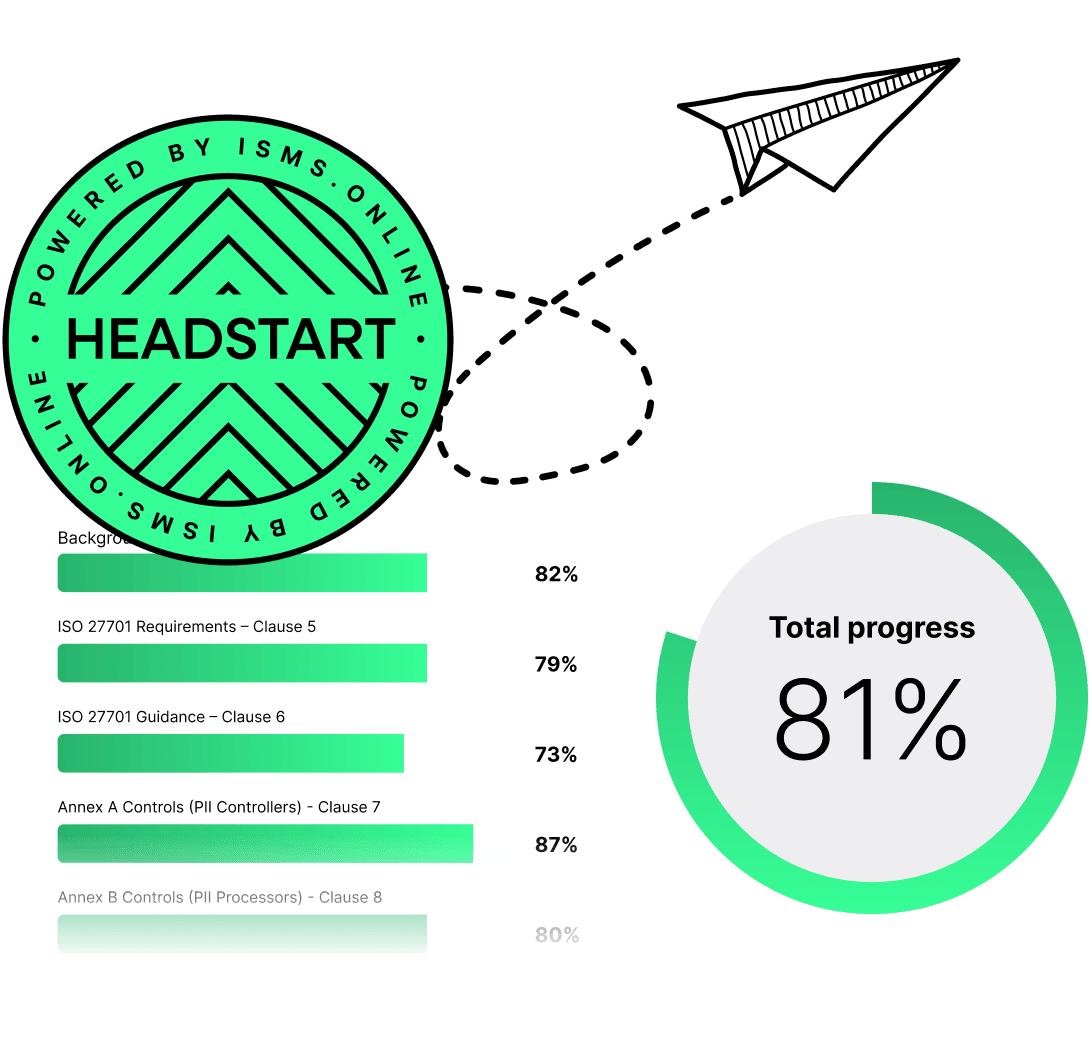
An 81% Headstart from day one
We’ve done the hard work for you, giving you an 81% Headstart from the moment you log on. All you have to do is fill in the blanks.
Key Components of the Statement of Applicability
Essential Elements of the SoA
The Statement of Applicability (SoA) is a cornerstone of the ISO 27001 standard, detailing security controls and their implementation status. It serves as a bridge between risk assessment and control implementation, ensuring compliance and enhancing stakeholder trust. The ISO 27001:2022 version includes 93 Annex A controls, emphasising the importance of precise control selection and justification.
Selecting and Justifying Controls
Control selection and justification are critical in the SoA. Each control must align with identified risks, ensuring relevance and effectiveness. This alignment supports compliance and enhances your organisation’s security posture. By prioritising controls based on comprehensive risk assessments, the SoA becomes a dynamic tool that addresses current organisational needs and adapts to evolving risks (ISO 27001:2022 Clause 6.1).
Significance of Implementation Status
Documenting implementation status is vital for demonstrating progress and compliance. It provides a clear overview of which controls are in place and their effectiveness, serving as a key document for audits and compliance assessments. This transparency builds trust with stakeholders and ensures that your organisation is prepared to address potential threats (ISO 27001:2022 Clause 9.2).
Aligning the SoA with Business Objectives
Aligning the SoA with business objectives ensures that controls are not only relevant but also support your organisation’s strategic goals. This alignment fosters a proactive approach to risk management, enhancing both security and operational efficiency. By tailoring the SoA to specific needs, organisations can ensure that security measures are effective and aligned with their overall strategy (ISO 27001:2022 Clause 5.2).
Our platform, ISMS.online, provides comprehensive tools to help you present your Statement of Applicability effectively to auditors and stakeholders. Book a demo to see how we can support your compliance journey.
Aligning the SoA with Risk Management
Strategic Integration of Risk Management
Integrating the Statement of Applicability (SoA) with risk management is crucial for ensuring compliance and operational efficiency. By aligning risk management strategies with the SoA, your organisation can prioritise security controls based on risk assessment outcomes, optimising resource allocation and enhancing security posture.
Enhancing Risk Treatment Plans
The SoA plays a pivotal role in supporting risk treatment plans by clearly linking identified risks to implemented controls. This connection not only prepares your organisation to address potential threats but also demonstrates a robust commitment to information security. Documenting control implementation status within the SoA provides transparency, fostering stakeholder trust and confidence.
Adapting to Evolving Risks
In today’s dynamic threat landscape, regularly updating the SoA to reflect changing risks is essential. This proactive approach enhances risk visibility and ensures ongoing compliance with the ISO 27001 standard. By continuously improving security measures, your organisation aligns its strategic goals with effective risk management strategies.
Mastering SoA Presentation
Effectively presenting the SoA to auditors requires clear communication and tailored strategies. By integrating risk management with the SoA, your organisation not only prioritises controls but also strengthens compliance through strategic alignment with risk outcomes. This meticulous approach sets the stage for audit success, demonstrating your commitment to information security and operational excellence.

Free yourself from a mountain of spreadsheets
Embed, expand and scale your compliance, without the mess. IO gives you the resilience and confidence to grow securely.
Best Practices for Presenting to Auditors
Key Strategies for Effective SoA Presentation
Presenting your Statement of Applicability (SoA) to auditors requires meticulous preparation and clear communication. Tailoring your SoA to meet auditor expectations can significantly enhance engagement and facilitate successful audits. Here are some key strategies:
-
Crafting a Concise SoA: Develop a well-structured SoA using straightforward language to articulate security controls and their implementation status. This clarity aligns with the ISO 27001 standard (Clause 5.5) and helps auditors understand your compliance framework, building trust.
-
Customising to Auditor Expectations: Adapt your SoA to reflect the specific concerns and focus areas of your auditors. Highlight how your security controls address identified risks, demonstrating a proactive approach to risk management. This alignment not only satisfies auditor requirements but also showcases your commitment to information security.
-
Engaging Auditors Effectively: Foster an open dialogue with auditors by anticipating their questions and providing comprehensive answers. Use visual aids and data to support your points, making the SoA presentation more engaging and informative. This proactive engagement can lead to a smoother audit process and positive outcomes.
-
Demonstrating Compliance: Ensure all documented controls are up-to-date and accurately reflect your organisation’s practices. Demonstrating compliance involves not only presenting the SoA but also providing evidence of its implementation and effectiveness. This preparation is crucial for audit success and reinforces stakeholder confidence.
By implementing these strategies, you can effectively present your SoA, demonstrating compliance and enhancing audit success. Our platform, ISMS.online, offers tools to streamline this process, ensuring your SoA is always audit-ready. Take the next step in optimising your compliance journey with us.
Effective Stakeholder Communication Strategies
Communicating the SoA to Stakeholders
Effectively communicating the Statement of Applicability (SoA) to stakeholders is crucial for building trust and ensuring compliance. By aligning the SoA with stakeholder interests, organisations can foster engagement and strengthen relationships. Transparency and clarity are key, helping stakeholders understand the SoA’s relevance and impact on their interests.
Enhancing Engagement with the SoA
To resonate with stakeholders, tailor the SoA presentation to address specific concerns and demonstrate alignment with their interests. This approach not only builds trust but also supports compliance efforts, reinforcing the SoA’s role in achieving organisational goals.
Building Trust Through Transparency
Transparent communication is essential for fostering trust. By providing clear, concise information about the SoA, organisations demonstrate their commitment to security and compliance. This transparency supports the successful implementation of the SoA, ensuring it remains relevant and effective in addressing risks.
Aligning the SoA with Stakeholder Interests
Understanding stakeholder needs and expectations is vital for aligning the SoA with their interests. This alignment ensures the SoA addresses relevant concerns and supports broader business objectives, enhancing engagement and strengthening compliance posture.
Maintaining effective stakeholder communication is key to nurturing trust and ensuring the success of your SoA. Regular updates and alignment with evolving risks are essential for continuous improvement and robust compliance efforts.

Manage all your compliance, all in one place
ISMS.online supports over 100 standards and regulations, giving you a single platform for all your compliance needs.
Maintaining and Updating the Statement of Applicability
Regular Updates for Relevance
Keeping the Statement of Applicability (SoA) current is vital for its effectiveness. Updates should reflect changes in organisational risks and compliance requirements, ensuring the SoA remains a dynamic tool for risk management (ISO 27001:2022 Clause 5.5).
Triggers for SoA Updates
Updates to the SoA may be prompted by:
- Emerging Risks: New threats necessitate revisions to address evolving risks.
- Regulatory Changes: Adjustments in standards or guidelines require SoA modifications.
- Operational Shifts: Changes in business operations or strategies may demand SoA realignment.
Effective SoA Maintenance
To maintain the SoA effectively:
- Conduct Regular Reviews: Periodically assess the SoA to ensure it reflects current risks and controls.
- Engage Stakeholders: Involve key stakeholders in reviews to gather diverse insights.
- Document Changes: Keep detailed records of updates to support audits and compliance assessments.
Aligning with Evolving Risks
Regularly updating the SoA to align with evolving risks enhances security posture and demonstrates proactive risk management. This approach not only strengthens compliance but also builds stakeholder trust by showcasing a commitment to security and transparency.
Further Reading
Overcoming Common Challenges in SoA Presentation
Navigating Audience Expectations
Effectively presenting the Statement of Applicability (SoA) requires addressing diverse audience expectations and stakeholder concerns. Tailoring your presentation to meet these varied needs ensures clarity and engagement, aligning with ISO 27001 standards.
Strategies for Effective Presentation
- Adaptable Presentation Techniques: Customise your approach to suit different audiences, ensuring that the SoA resonates with each segment.
- Clear Communication: Use straightforward language to articulate security controls and their relevance, enhancing understanding and compliance.
Engaging Stakeholders
- Understanding Stakeholder Needs: Identify specific concerns and expectations of each audience segment to tailor the SoA’s focus.
- Building Trust Through Dialogue: Foster open communication to address stakeholder concerns, demonstrating the SoA’s alignment with their interests and organisational goals.
Optimising for Diverse Audiences
Optimising the SoA involves tailoring its presentation to resonate with various audiences, enhancing its impact and effectiveness. By adopting a flexible approach and focusing on clear communication, organisations can overcome common presentation challenges and ensure the SoA’s success.
Navigating the challenges of presenting the Statement of Applicability with adaptability and clear communication lays the groundwork for exploring the tools and resources that can enhance its management. With the right strategies, organisations can not only overcome presentation obstacles but also streamline their SoA management and bolster compliance efforts.
Tools and Resources for SoA Management
Navigating SoA Complexities with the Right Tools
Managing the Statement of Applicability (SoA) effectively requires a strategic approach and the right set of tools. Our platform, ISMS.online, offers a comprehensive suite designed to streamline compliance efforts and enhance the SoA’s effectiveness. By integrating these solutions into your Information Security Management System (ISMS), you can ensure robust compliance management.
Boosting SoA Effectiveness Through Automation
Specialised tools can significantly enhance the SoA’s effectiveness by automating processes for tracking, updating, and managing security controls. This automation ensures alignment with evolving risks and compliance requirements, which is crucial for maintaining a strong security posture and demonstrating a commitment to information security (ISO 27001:2022 Clause 6.1).
Advantages of SoA Management Tools
Employing SoA management tools offers numerous benefits:
- Streamlined Processes: Reduce manual efforts and minimise errors.
- Real-Time Updates: Facilitate timely updates and reporting, enhancing transparency and stakeholder trust.
- Focus on Strategy: Automate routine tasks, allowing your organisation to concentrate on strategic initiatives and improve overall efficiency.
Selecting the Right SoA Tools
Choosing the appropriate SoA tools can be challenging due to the variety of options available. It’s essential to select solutions that align with your organisation’s specific needs and integrate seamlessly with your existing ISMS. Consider factors such as scalability, user-friendliness, and support services when evaluating potential tools.
Seamless Integration into the ISMS
Integrating SoA tools into your ISMS is crucial for achieving comprehensive compliance management. Our platform, ISMS.online, provides a seamless experience that enhances compliance efforts. By choosing the right tools, you can ensure that your SoA remains effective and aligned with your organisation’s strategic goals.
Empower your compliance journey with the right tools and resources. Discover how ISMS.online can support your SoA management, ensuring streamlined processes and enhanced effectiveness.
Key Lessons from Successful SoA Presentations
Insights from Effective SoA Presentations
Successful Statement of Applicability (SoA) presentations reveal the critical role of aligning security controls with business objectives. Clear communication and strategic alignment are essential, enhancing both compliance and stakeholder trust. By understanding these elements, your organisation can refine its SoA to meet auditor expectations and achieve organisational goals.
Common Traits of Successful Presentations
Effective presentations often incorporate structured narratives, visual aids, and a focus on stakeholder engagement. These elements ensure the SoA is informative and engaging, facilitating auditor assessments and helping stakeholders grasp its significance.
Applying Case Study Insights
Learning from case studies allows your organisation to adopt proven strategies for SoA presentations. By tailoring the SoA to address specific stakeholder concerns and using clear, concise language, you can enhance presentation effectiveness. Our platform, ISMS.online, supports this process with tools that streamline SoA management and presentation.
Demonstrating SoA Success
Showcasing your SoA’s alignment with organisational goals and risk management strategies is crucial. By applying lessons from successful presentations, you ensure the SoA meets compliance requirements and supports broader business objectives.
How ISMS.online Enhances SoA Presentations
ISMS.online offers tools designed to elevate your SoA presentations. From automated updates to stakeholder communication features, our platform ensures your SoA remains relevant and effective. By utilising these resources, you streamline compliance efforts and build trust with auditors and stakeholders.
Unlock the potential of your SoA presentations by integrating these insights and tools. Elevate your compliance journey with ISMS.online and ensure your SoA stands out.
Future Trends in SoA Management
Emerging Trends in SoA Management
In the evolving environment of Statement of Applicability (SoA) management, organisations are increasingly integrating compliance with business objectives and refining risk management strategies. By anticipating these developments, companies can enhance their competitive advantage and streamline compliance efforts.
Utilising Trends for Success
To effectively utilise these trends, align your SoA with shifting business goals and risk profiles. This alignment not only bolsters compliance but also enhances operational efficiency. Organisations embracing these trends can expect to build stronger stakeholder trust and fortify their security posture.
Benefits of Proactive Adaptation
Proactively adapting to trends ensures continuous improvement in SoA management. By staying relevant and effective in compliance strategies, organisations can maintain alignment with both current and future risks, reinforcing their commitment to information security.
Navigating Challenges in Trend Adaptation
Adapting to emerging trends presents challenges, such as integrating new strategies with existing frameworks. Organisations must remain agile, ensuring their SoA stays pertinent and effective. This requires a dynamic approach, utilising tools and resources to navigate the complexities of trend adaptation.
Integrating Trends into the ISMS
Incorporating these trends into your Information Security Management System (ISMS) is essential for maintaining a robust compliance framework. Our platform, ISMS.online, provides solutions that facilitate this integration, ensuring your SoA aligns with evolving business objectives and risk management strategies. By selecting the right tools, you can enhance your compliance journey and secure your organisation’s future.
Embrace the future of SoA management with ISMS.online. Discover how our solutions can support your compliance efforts and drive success.
Discover the Benefits of ISMS.online
Elevate Your SoA Management with ISMS.online
ISMS.online revolutionises your Statement of Applicability (SoA) management by seamlessly integrating into your Information Security Management System (ISMS). Our platform automates the tracking and updating of security controls, ensuring they align with evolving risks and compliance requirements. This automation not only streamlines your compliance efforts but also fortifies your organisation’s security posture.
Uncover the Advantages of ISMS.online
Our suite of tools simplifies compliance management by automating routine tasks, reducing manual effort, and minimising errors. Real-time updates enhance transparency and build stakeholder trust, allowing your team to focus on strategic initiatives that improve operational effectiveness.
Experience ISMS.online Through a Demo
A demo with ISMS.online offers a hands-on exploration of our platform’s capabilities. This interactive session provides insight into how our tools can enhance your compliance strategy. By understanding the platform’s features, you can integrate it into your ISMS, ensuring a robust and dynamic compliance framework.
Seamless Integration into Your ISMS
Integrating ISMS.online into your existing ISMS is straightforward, enhancing your compliance management. Our user-friendly interface and comprehensive support services ensure a smooth transition, enabling you to fully utilise its potential for your compliance journey.
Explore the transformative capabilities of ISMS.online. Book a demo today to see how our platform can elevate your compliance strategy and support your SoA management.
Book a demoFrequently Asked Questions
Understanding the Statement of Applicability
The Statement of Applicability (SoA) is a cornerstone document within the ISO 27001 framework, detailing the security controls and their implementation status. It bridges the gap between risk assessment and control implementation, ensuring compliance and enhancing stakeholder trust.
Supporting ISO 27001 Compliance with the SoA
The SoA is instrumental in demonstrating an organisation’s commitment to information security. By detailing applicable security controls and their implementation status, it provides a clear overview of the organisation’s compliance efforts. This alignment is essential for audits, as it showcases the organisation’s proactive approach to managing information security risks (ISO 27001:2022 Clause 5.5).
Key Components of the SoA
A well-crafted SoA includes several key components:
- Security Controls: Clearly defined controls that address identified risks.
- Implementation Status: Documentation of which controls are in place and their effectiveness.
- Justification for Controls: Rationale for selecting specific controls, ensuring they are relevant and effective.
Aligning the SoA with Risk Management
Aligning the SoA with risk management involves integrating risk assessment outcomes into the control selection process. This ensures that resources are allocated efficiently, prioritising controls that address the most significant risks. By linking identified risks to implemented controls, the SoA becomes a dynamic tool that supports risk treatment plans and enhances overall security posture.
Benefits of a Well-Crafted SoA
A well-crafted SoA offers numerous benefits, including improved compliance, enhanced stakeholder trust, and a stronger security posture. By clearly outlining security controls and their implementation, the SoA serves as a key document for audits and compliance assessments. This transparency builds trust with stakeholders and ensures that the organisation is prepared to address potential threats.
Why is the SoA Important for Audits?
Facilitating Auditor Communication with the SoA
The Statement of Applicability (SoA) is a crucial document in audits, acting as a bridge between risk assessment and control implementation. It offers auditors a comprehensive view of your organisation’s compliance framework, detailing security controls and their implementation status. This transparency ensures auditors can clearly understand your approach to managing information security risks, aligning with ISO 27001:2022 Clause 5.5.
Optimising the SoA for Audit Success
To ensure audit success, the SoA must be concise, well-structured, and aligned with the ISO 27001 standard. Tailoring the SoA to address specific auditor concerns is essential. By highlighting how security controls mitigate identified risks, you not only meet auditor expectations but also demonstrate your organisation’s commitment to robust information security practices.
Enhancing Audit Outcomes with the SoA
A meticulously crafted SoA enhances audit outcomes by providing transparency and fostering trust with auditors. Documenting the implementation status of controls offers concrete evidence of compliance and effectiveness. This clarity is vital for demonstrating your organisation’s readiness to tackle potential threats, reinforcing stakeholder confidence.
Overcoming Challenges in SoA Presentation
Presenting the SoA to auditors can be challenging, particularly in ensuring clarity and engagement. To address these challenges, adopt flexible presentation techniques, using straightforward language and visual aids to articulate security controls and their relevance. Engaging effectively with auditors involves anticipating their questions and providing comprehensive, data-supported answers.
By focusing on these aspects, the SoA becomes a dynamic tool that not only supports compliance but also enhances audit success. Its role in facilitating auditor communication and optimising audit outcomes underscores its importance within the ISO 27001 framework.
Communicating the SoA to Stakeholders
Key Elements of Effective Stakeholder Communication
Effectively conveying the Statement of Applicability (SoA) is crucial for building trust and ensuring compliance. To achieve this, organisations should focus on:
-
Clarity and Transparency: Clearly articulate the SoA’s purpose and relevance using straightforward language. This approach helps stakeholders grasp the document’s significance and its role in risk management.
-
Tailored Messaging: Customise communication to address specific stakeholder concerns. By aligning the SoA with stakeholder interests, organisations can enhance engagement and demonstrate the SoA’s value.
Enhancing Stakeholder Engagement with the SoA
To boost engagement, presenting the SoA in a way that resonates with stakeholders is vital. This involves:
-
Addressing Concerns: Identify and address specific stakeholder needs, showcasing how the SoA aligns with their objectives.
-
Interactive Communication: Use visual aids and interactive elements to make the SoA more engaging and accessible.
Building Trust Through Transparent Communication
Transparent communication is crucial for building trust with stakeholders. By providing clear and concise information about the SoA, organisations can demonstrate their commitment to security and compliance. This transparency not only fosters trust but also supports the successful implementation of the SoA.
Aligning the SoA with Stakeholder Interests
Aligning the SoA with stakeholder interests involves understanding their needs and expectations. By doing so, organisations can ensure that the SoA addresses relevant concerns and supports broader business objectives. This alignment not only enhances stakeholder engagement but also strengthens the organisation’s compliance posture, demonstrating a proactive approach to risk management.
Tools and Resources for SoA Management
Navigating SoA Complexities with Advanced Tools
Effectively managing the Statement of Applicability (SoA) requires robust tools that streamline compliance efforts and enhance the SoA’s effectiveness. Our platform, ISMS.online, offers a comprehensive suite designed to automate the tracking, updating, and management of security controls, ensuring alignment with evolving risks and compliance requirements (ISO 27001:2022 Clause 5.5).
Enhancing SoA Effectiveness with Automation
Integrating specialised tools can significantly boost your SoA’s effectiveness. Automation reduces manual efforts, minimises errors, and facilitates real-time updates, enhancing transparency and stakeholder trust. This efficiency allows your team to focus on strategic initiatives, ultimately improving operational effectiveness.
Benefits of Using SoA Management Tools
- Streamlined Processes: Automate routine tasks, reducing manual effort and minimising errors.
- Real-Time Updates: Facilitate timely updates and reporting, enhancing transparency.
- Enhanced Stakeholder Trust: Build confidence through clear, accurate SoA management.
Challenges in Selecting SoA Tools
Choosing the right tools can be challenging. It’s essential to select solutions that align with your organisation’s specific needs and integrate seamlessly with your existing ISMS. Consider factors such as scalability, user-friendliness, and support services when evaluating potential tools.
Integrating Tools into the ISMS
Integration of SoA tools into your ISMS is crucial for achieving comprehensive compliance management. Our platform, ISMS.online, provides a seamless experience that enhances compliance efforts. By choosing the right tools, you can ensure that your SoA remains effective and aligned with your organisation’s strategic goals.
Empower your compliance journey with ISMS.online. Discover how our solutions can support your SoA management, ensuring streamlined processes and enhanced effectiveness.
How Often Should the SoA Be Updated?
Triggers for SoA Updates
The Statement of Applicability (SoA) is a living document that must evolve with your organisation’s risk landscape. Updates are prompted by:
- Emerging Threats: New vulnerabilities necessitate a review of existing controls.
- Regulatory Changes: Adjustments in compliance requirements demand updates to maintain alignment.
- Strategic Shifts: Business expansions or strategic changes may require modifications to the SoA.
Best Practices for Maintaining the SoA
To keep the SoA effective, regular reviews and proactive updates are essential. Key practices include:
- Scheduled Reviews: Periodically evaluate the SoA to ensure it reflects current risks and controls.
- Stakeholder Involvement: Engage relevant parties in the review process to gather diverse insights.
- Detailed Documentation: Maintain comprehensive records of changes to support audits and compliance assessments (ISO 27001:2022 Clause 5.5).
Aligning the SoA with Evolving Risks
To remain relevant, the SoA must align with evolving risks. This involves:
- Continuous Monitoring: Regularly assess the risk environment to identify new threats.
- Adaptive Strategies: Update controls and strategies to address emerging risks effectively.
Supporting Continuous Improvement with the SoA
The SoA should not only reflect current practices but also support continuous improvement. This can be achieved by:
- Feedback Loops: Incorporate feedback from audits and stakeholders to refine the SoA.
- Iterative Updates: Use insights from risk assessments to make informed updates, ensuring the SoA remains a robust tool for compliance and risk management.
By adhering to these practices, your organisation can ensure that the SoA remains a vital component of your information security strategy, effectively addressing both current and future challenges.
Overcoming Challenges in SoA Presentation
Navigating Diverse Audience Expectations
Effectively presenting the Statement of Applicability (SoA) requires a nuanced understanding of diverse audience expectations. Tailoring your communication to resonate with different stakeholders is crucial. By identifying their specific needs, you can highlight relevant aspects of the SoA, ensuring clarity and engagement.
-
Customised Communication: Adapt your SoA presentation to address the unique perspectives of each audience segment. This approach not only enhances engagement but also demonstrates your commitment to transparency and compliance.
-
Clear Language: Employ straightforward language to articulate security controls and their relevance. This clarity aligns with ISO 27001 standards, facilitating understanding and building trust with stakeholders.
-
Visual and Interactive Elements: Enhance your presentation with visual aids and interactive elements. These tools make complex information more accessible and engaging, helping stakeholders grasp the SoA’s significance.
Addressing Stakeholder Concerns
Open dialogue and proactive engagement are key to addressing stakeholder concerns effectively. By fostering communication and providing clear, concise information about the SoA, you can build trust and support compliance efforts. Demonstrating how the SoA aligns with stakeholder interests further reinforces its value and relevance.
-
Engaging Stakeholders: Foster open communication to address stakeholder concerns, demonstrating the SoA’s alignment with their interests and organisational goals.
-
Building Trust: Transparent communication is essential for fostering trust. By providing clear, concise information about the SoA, organisations demonstrate their commitment to security and compliance.
By implementing these strategies, you can overcome common challenges in SoA presentation, ensuring that your message resonates with diverse audiences and supports your organisation’s compliance goals. Our platform, ISMS.online, offers tools to streamline this process, enhancing your SoA management and presentation efforts.






