



































Understanding the Statement of Applicability in ISO 27001
The Statement of Applicability (SoA) is a cornerstone in ISO 27001 compliance, offering a detailed overview of the controls selected to manage information security risks. It serves as a strategic guide, aligning security measures with risk management strategies. By detailing the controls in place and justifying any exclusions, the SoA showcases a commitment to maintaining a robust Information Security Management System (ISMS) (ISO 27001:2022 Clause 5.5).
What is the Statement of Applicability?
The SoA is mandatory for ISO 27001 certification, providing a comprehensive overview of the selected controls and their alignment with organisational risk management strategies. It is crucial for demonstrating compliance, supporting risk management, and ensuring audit readiness. A 2021 survey highlighted that 70% of organisations reported an improved security posture post-certification, underscoring the SoA’s importance.
How Does the SoA Support Compliance?
The SoA aligns security controls with an organisation’s risk appetite, ensuring measures address specific threats and vulnerabilities. Dr. Jane Smith emphasises its role in aligning security controls with organisational risk appetite, making it a vital component of the ISMS. By providing a clear framework for compliance, the SoA supports continuous improvement in information security.
Why is the SoA Essential for ISMS?
As a central element of the ISMS, the SoA offers a comprehensive view of the controls in place, facilitating effective risk management and audit readiness. It is a dynamic document that evolves with the organisation's needs, contributing to continuous improvement in information security practices.
Our platform, ISMS.online, simplifies the creation and management of the SoA, offering real-world examples and practical insights to help Compliance Officers, CISOs, and CEOs achieve ISO 27001 compliance efficiently. Discover how our solutions can streamline your compliance efforts and enhance your organisation's security posture.
Book a demoWhat Defines the Statement of Applicability in ISO 27001?
The Statement of Applicability (SoA) is a critical document within the ISO 27001 framework, serving as a strategic tool for managing information security risks. It outlines the controls chosen to mitigate these risks and justifies any exclusions, demonstrating compliance with the ISO 27001 standard (Clause 5.5). This document is essential for aligning security measures with your organisation’s risk management strategies, ensuring that all controls are relevant and effective.
Objectives and Function
The SoA’s primary objective is to provide a clear framework for compliance, supporting risk management and audit readiness. As a dynamic document, it evolves with your organisation’s risk environment, adapting to new threats and vulnerabilities. This adaptability ensures that the selected controls remain effective over time, contributing to continuous improvement in information security practices.
Aligning with Risk Management Strategies
The SoA plays a crucial role in aligning security controls with your organisation’s risk appetite. By detailing the controls in place, it helps tailor security measures to address specific threats and vulnerabilities. This alignment is vital for maintaining a robust Information Security Management System (ISMS) and demonstrating compliance readiness during audits.
Importance of Justifying Exclusions
Justifying exclusions in the SoA is essential for transparency and accountability. It ensures that all decisions regarding control implementation are well-documented and aligned with your organisation’s risk management strategies. This process not only supports compliance but also enhances your organisation’s overall security posture.
The Statement of Applicability is a cornerstone of ISO 27001 compliance, providing a structured approach to managing information security risks. Its dynamic nature and alignment with risk management strategies make it an invaluable tool for organisations seeking to enhance their security posture and achieve compliance.
ISO 27001 made easy
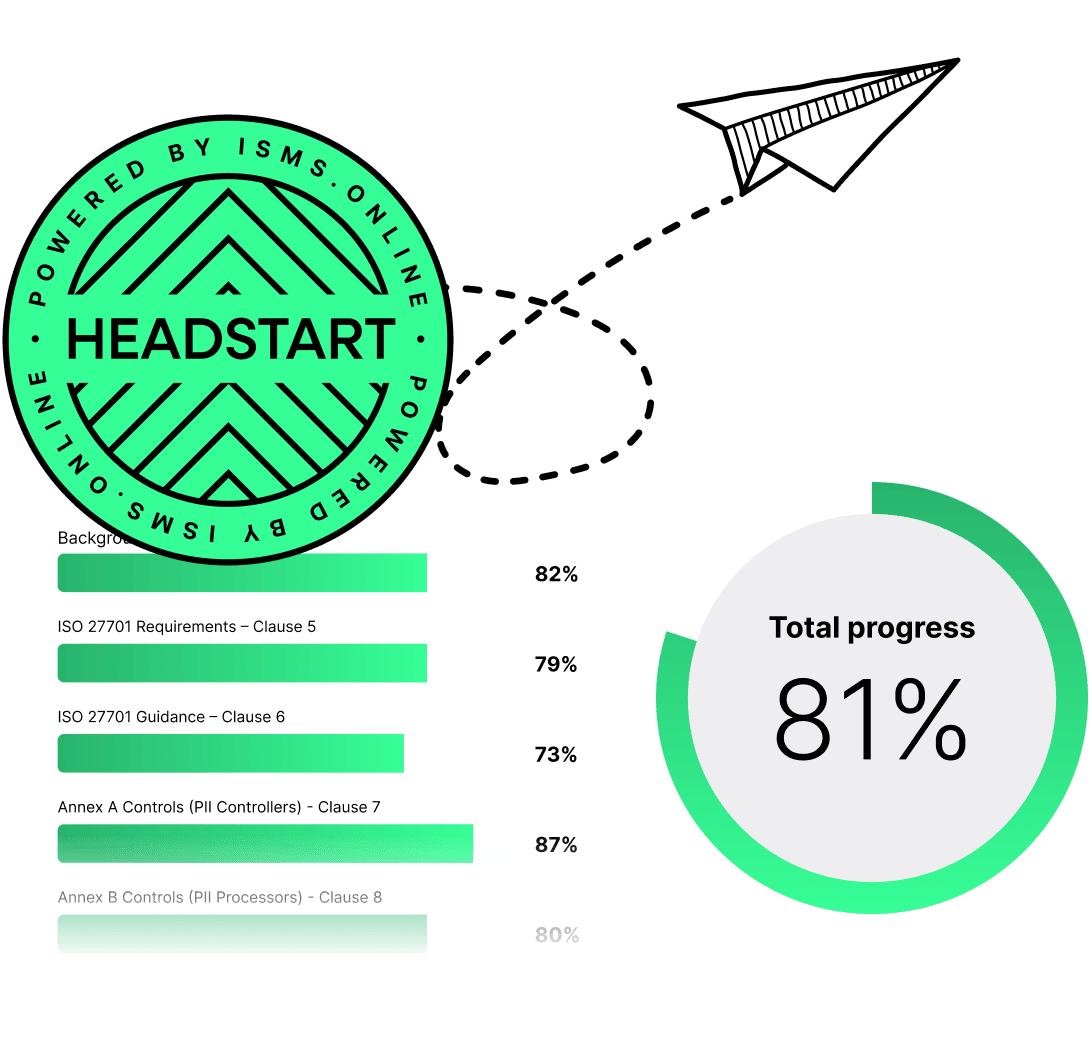
An 81% Headstart from day one
We’ve done the hard work for you, giving you an 81% Headstart from the moment you log on. All you have to do is fill in the blanks.
How to Create an Effective Statement of Applicability
Crafting a Statement of Applicability (SoA) is a strategic endeavour that requires selecting essential controls to manage information security risks, documenting their implementation, and justifying any exclusions. This document is crucial for ISO 27001 compliance, aligning security measures with your organisation’s risk management strategies (ISO 27001:2022 Clause 5.5).
Steps to Develop a Statement of Applicability
-
Identify Necessary Controls: Start by evaluating your organisation’s risk profile to pinpoint necessary controls. This involves understanding potential threats and vulnerabilities and selecting controls from Annex A that address these risks.
-
Document Control Implementation: Clearly outline how each control will be implemented within your organisation. This documentation should detail specific actions, responsible parties, and timelines to ensure accountability and transparency.
-
Justify Control Exclusions: If any controls are deemed unnecessary, provide a clear rationale for their exclusion. This justification is essential for demonstrating compliance and ensuring that all decisions align with your organisation’s risk management strategies.
-
Maintain Accuracy and Completeness: Regularly review and update the SoA to reflect changes in your organisation’s risk profile and control effectiveness. This ongoing process ensures that the document remains relevant and comprehensive.
Importance of Stakeholder Engagement
Engaging key stakeholders in the development of the SoA is vital for ensuring that it accurately reflects your organisation’s security posture and risk management strategies. Collaboration with stakeholders such as Compliance Officers, CISOs, and CEOs helps align the SoA with business objectives, enhancing its effectiveness.
By following these steps, organisations can create a robust Statement of Applicability that supports ISO 27001 compliance and strengthens their information security management system. This collaborative approach fosters a culture of continuous improvement in information security practices.
Why is the Statement of Applicability Essential for ISO 27001 Compliance?
The Statement of Applicability (SoA) is a cornerstone of ISO 27001 compliance, offering a detailed overview of the controls selected to manage information security risks. It serves as a strategic guide, aligning security measures with risk management strategies and demonstrating a commitment to maintaining a robust Information Security Management System (ISMS).
Demonstrating Compliance
The SoA is indispensable for showcasing compliance with ISO 27001. It meticulously details the controls selected and justifies any exclusions, ensuring all security measures are relevant and effective. This document provides a clear framework for compliance, supporting audit readiness and enhancing the organisation’s security posture.
Supporting Risk Management and Mitigation
Risk management is central to the SoA. By aligning security controls with the organisation’s risk appetite, the SoA helps tailor measures to address specific threats and vulnerabilities. This alignment is crucial for maintaining a robust ISMS and ensuring that all controls remain effective over time.
Ensuring Audit Readiness and Certification
Audit readiness is a critical aspect of the SoA. By documenting the controls in place and their alignment with risk management strategies, the SoA ensures that the organisation is prepared for audits and can demonstrate compliance with ISO 27001. This readiness is vital for achieving and maintaining certification.
Contributing to Continuous Improvement
The SoA is not a static document; it evolves with the organisation’s risk profile. Regular reviews and updates help identify gaps in controls and implement corrective actions, contributing to continuous improvement in information security practices. ISO 27001 certification has been linked to a 30% reduction in data breach incidents for certified organisations, underscoring the SoA’s importance in enhancing security posture.
Understanding the SoA’s role in ISO 27001 compliance empowers organisations to effectively manage information security risks and achieve certification. This commitment to continuous improvement and audit readiness strengthens the organisation’s overall security framework.

Free yourself from a mountain of spreadsheets
Embed, expand and scale your compliance, without the mess. IO gives you the resilience and confidence to grow securely.
When Should the Statement of Applicability Be Updated?
Regular updates to the Statement of Applicability (SoA) are crucial for maintaining ISO 27001 compliance and ensuring effective risk management. These updates should reflect changes in operations, risk assessments, or compliance requirements, keeping the SoA relevant and effective.
Triggers for Updating the SoA
Several factors necessitate an update to the SoA:
- Operational Changes: Modifications in business processes or structures.
- Risk Assessments: Identification of new threats or vulnerabilities.
- Compliance Requirements: Updates in regulatory standards or compliance obligations.
Frequency of Updates and Review
Organisations should review the SoA regularly to ensure it remains aligned with the current risk environment and control effectiveness. This proactive approach supports compliance efforts and enhances risk management strategies.
Consequences of Not Updating the SoA
Neglecting to update the SoA can lead to compliance gaps and increased vulnerabilities, undermining the organisation’s security posture. Regular updates are crucial to prevent these risks and maintain audit readiness.
Ensuring Relevance and Effectiveness
To keep the SoA relevant, involve key stakeholders in the update process and utilise technology for streamlined management. Our platform, ISMS.online, offers tools and insights to simplify SoA updates, enhancing compliance efforts and risk management strategies.
By maintaining an up-to-date SoA, organisations can effectively manage information security risks and demonstrate their commitment to ISO 27001 compliance. Engage with our solutions to streamline your compliance journey and strengthen your security framework.
Where Can You Find Real-World Examples of the Statement of Applicability?
Real-world examples of the Statement of Applicability (SoA) offer invaluable insights into its practical application and benefits. By examining these examples, your organisation can strengthen its compliance efforts and security posture, drawing from proven strategies and avoiding common pitfalls.
Examples of Successful Implementation
Organisations like XYZ Corp and ABC Ltd have effectively aligned their security controls with ISO 27001 standards, showcasing best practices in risk management. These examples illustrate the tangible benefits of a well-structured SoA, such as improved audit readiness and enhanced security measures.
Resources for Finding Real-World Examples
To access real-world examples of the SoA, explore industry publications, compliance platforms, and case studies. These resources provide detailed insights into how different entities have tailored their SoA to meet specific compliance requirements, offering valuable lessons for others to follow.
Learning from Examples to Improve Compliance Efforts
By analysing real-world examples, your organisation can identify best practices and strategies that have been successful in similar contexts. This learning process enables you to refine your own SoA, ensuring it effectively addresses your unique risk landscape and compliance needs.
Enhancing Understanding of the SoA’s Impact
Case studies and examples not only illustrate the practical application of the SoA but also enhance understanding of its impact on your organisation’s overall security framework. By learning from these examples, you can better appreciate the importance of a comprehensive SoA in achieving ISO 27001 compliance.
Drawing from these insights, your organisation can use real-world examples to strengthen its compliance efforts, ensuring its SoA is both effective and aligned with industry standards. This approach not only enhances security posture but also supports continuous improvement in information security practices.

Manage all your compliance, all in one place
ISMS.online supports over 100 standards and regulations, giving you a single platform for all your compliance needs.
Can the Statement of Applicability Improve Compliance Processes?
The Statement of Applicability (SoA) is crucial for ISO 27001 compliance, offering a roadmap that aligns security measures with risk management strategies. This alignment enables your organisation to efficiently address potential threats.
How Does the SoA Streamline Compliance Processes?
By detailing selected controls and justifying exclusions, the SoA simplifies compliance. This clarity supports a structured framework for managing risks and aligns security measures with your organisational objectives (ISO 27001:2022 Clause 5.5). It enhances audit readiness and fosters continuous improvement in information security practices.
Benefits in Terms of Efficiency and Effectiveness
Implementing the SoA improves efficiency and effectiveness in compliance processes. By aligning security controls with your organisation’s risk appetite, the SoA ensures measures are tailored to specific threats and vulnerabilities. This alignment enhances your organisation’s security posture and supports audit readiness and certification.
Integration with Other Compliance Frameworks
The SoA’s structured approach allows seamless integration with other compliance frameworks and standards. By aligning security measures with industry best practices, the SoA ensures your organisation meets diverse regulatory requirements.
Navigating Challenges for Enhanced Compliance
While the SoA offers numerous benefits, enhancing compliance requires understanding its role and potential challenges. Your organisation must keep the SoA relevant and up-to-date, reflecting changes in the risk environment and control effectiveness. Regular reviews and updates are essential for maintaining compliance and supporting continuous improvement.
Understanding the SoA’s role in ISO 27001 compliance empowers your organisation to manage information security risks effectively and achieve certification. This commitment to continuous improvement and audit readiness strengthens your organisation’s overall security framework.
Further Reading
Overcoming Challenges in Implementing the Statement of Applicability
Implementing the Statement of Applicability (SoA) within ISO 27001 compliance is not without its hurdles. Organisations often grapple with aligning security measures to risk management strategies amidst cultural and resource constraints. Yet, with strategic foresight and the right tools, these challenges can be surmounted.
Identifying Key Challenges
Resistance to change, resource limitations, and the intricate nature of the SoA are common obstacles. These factors can hinder the seamless integration of security controls and risk management practices, necessitating proactive solutions.
Strategies for Successful Implementation
To navigate these challenges effectively, organisations should:
- Engage Stakeholders: Involve key personnel early in the process to cultivate collaboration and buy-in.
- Leverage Technology: Utilise automation tools to streamline processes, enhancing efficiency and reducing resource strain.
- Strategic Planning: Develop a roadmap that aligns with organisational goals and risk management strategies, ensuring clarity and direction.
The Influence of Organisational Culture
A culture that prioritises security and compliance can significantly ease the SoA’s implementation. Encouraging open dialogue and continuous learning aligns the SoA with the organisation’s ethos, fostering a supportive environment.
The Role of Technology and Automation
Automation and technology are pivotal in simplifying the SoA’s implementation. By automating routine tasks and offering real-time insights, organisations can focus on strategic initiatives, ensuring consistent application and monitoring of security measures.
While implementing the SoA presents challenges, a strategic approach that embraces technology and nurtures a supportive culture can lead to successful integration and enhanced compliance with the ISO 27001 standard. This commitment to overcoming obstacles fortifies the organisation’s information security framework, positioning it for long-term success.
What Are the Benefits of ISO 27001 Compliance?
Achieving ISO 27001 compliance offers a spectrum of advantages that extend beyond certification. It fortifies your organisation’s security framework by systematically identifying and mitigating information security risks, thus reducing vulnerabilities and potential breaches. This proactive approach not only safeguards sensitive data but also aligns security measures with business objectives, fostering a culture of continuous improvement.
Strengthening Security Posture
ISO 27001 compliance fortifies your organisation’s security framework by implementing robust controls tailored to specific threats. This alignment with risk management strategies ensures that all security measures are relevant and effective, enhancing your overall security posture. As a result, organisations can confidently demonstrate their commitment to data protection and regulatory compliance.
Building Customer Trust and Business Reputation
In a competitive environment, customer trust is essential. ISO 27001 certification serves as a testament to your organisation’s dedication to safeguarding customer data, thereby enhancing its reputation. By adhering to internationally recognised standards, businesses can differentiate themselves from competitors and build lasting relationships with clients who value data security.
Driving Operational Efficiency and Cost Savings
Compliance with ISO 27001 not only strengthens security measures but also streamlines operational processes. By identifying and addressing inefficiencies, organisations can achieve significant cost savings while maintaining high standards of security. This efficiency translates into a more agile and responsive business model, capable of adapting to evolving threats and market demands.
Long-Term Benefits and Continuous Improvement
The long-term benefits of ISO 27001 compliance are profound. By fostering a culture of continuous improvement, organisations can ensure that their security measures evolve alongside emerging threats. This adaptability not only enhances the organisation’s security posture but also aligns with strategic business goals, driving sustained success.
Understanding these benefits empowers organisations to leverage ISO 27001 compliance as a strategic asset, enhancing security, trust, and efficiency. As businesses navigate the complexities of information security, ISO 27001 serves as a guiding framework for achieving excellence in data protection and risk management.
How Does ISMS.online Facilitate ISO 27001 Compliance?
Navigating ISO 27001 compliance can be intricate, but our platform, ISMS.online, simplifies this journey with a comprehensive suite of tools. Designed to streamline the development and maintenance of the Statement of Applicability (SoA), our solution ensures your organisation remains audit-ready and continuously enhances its information security practices.
Features of ISMS.online
Our platform offers a range of tools tailored for ISO 27001 compliance, including:
- Automated Reporting: Streamlines documentation, reducing administrative tasks while enhancing accuracy.
- Task Management: Facilitates efficient tracking and completion of compliance-related activities.
- Collaboration Tools: Enables seamless communication and coordination among stakeholders.
Streamlining the Statement of Applicability
ISMS.online simplifies the creation and management of the SoA by:
- Automating Updates: Ensures the SoA reflects current risk profiles and control effectiveness (ISO 27001:2022 Clause 5.5).
- Providing Templates: Offers pre-built templates to guide the development of a comprehensive SoA.
Support for Audit Readiness and Certification
Our platform equips your organisation with the necessary tools for successful audits and certification:
- Compliance Tracking: Monitors progress and identifies areas for improvement.
- Audit Preparation: Provides insights and resources to ensure audit readiness.
Achieving Continuous Improvement
Continuous improvement is at the core of our platform. By offering real-time insights and facilitating collaboration, ISMS.online helps organisations adapt to evolving threats and maintain compliance with ISO 27001 standards.
Discover how ISMS.online can transform your compliance efforts and elevate your organisation’s security framework. Engage with our solutions to achieve ISO 27001 compliance efficiently and effectively.
Key Takeaways for Compliance Officers
What Should Compliance Officers Know About the Statement of Applicability?
Compliance officers are instrumental in managing the Statement of Applicability (SoA), ensuring it aligns with organisational goals and enhances security posture. The SoA is more than a document; it’s a strategic tool that helps organisations tailor their security measures to specific risks and vulnerabilities, supporting continuous improvement in information security.
Enhancing Security Posture with the SoA
To effectively utilise the SoA, compliance officers should focus on aligning it with the organisation’s risk management strategies. This alignment ensures that security controls are relevant and effective, addressing specific threats and vulnerabilities. By doing so, the SoA becomes a dynamic document that evolves with the organisation’s needs, contributing to a robust Information Security Management System (ISMS).
Best Practices for Managing the SoA
- Regular Reviews: Conduct periodic reviews to ensure the SoA remains relevant and effective. This proactive approach helps identify gaps in controls and implement corrective actions.
- Stakeholder Involvement: Engage key stakeholders in the SoA development process to ensure it accurately reflects the organisation’s security posture and risk management strategies.
- Alignment with Business Objectives: Ensure the SoA supports the organisation’s strategic goals, enhancing its overall security framework.
Ensuring Alignment with Organisational Goals
Alignment with organisational goals is essential for the SoA’s effectiveness. Compliance officers should work closely with senior management to ensure the SoA supports business objectives and enhances the organisation’s security posture. This collaboration fosters a culture of continuous improvement and audit readiness.
Our platform, ISMS.online, simplifies the management of the SoA, offering tools and insights to help compliance officers achieve ISO 27001 compliance efficiently. Engage with our solutions to enhance your organisation’s security framework and support continuous improvement in information security practices.
Discover the Benefits of a Demo with ISMS.online
How a Demo Enhances Your Compliance Efforts
Participating in a demo of ISMS.online is a strategic step towards achieving ISO 27001 compliance. Our platform is designed to streamline compliance processes, enhance audit readiness, and support continuous improvement in information security. By engaging with a demo, you’ll gain insights into how ISMS.online aligns with your risk management strategies, offering tailored solutions to meet your organisation’s unique needs.
What to Expect from a Demo
During the demo, you’ll explore how our platform simplifies compliance through automated reporting, task management, and seamless integration with existing systems. Our experts will guide you through the platform’s features, demonstrating its capabilities in real-time. Expect to see how ISMS.online ensures your organisation remains audit-ready and compliant with ISO 27001 standards.
Tailoring Solutions to Your Needs
ISMS.online is committed to providing solutions that meet your organisation’s specific requirements. Our platform offers customizable templates and tools that adapt to your compliance framework, ensuring all security measures are relevant and effective. By tailoring our solutions to your needs, we help you achieve a robust Information Security Management System (ISMS) that aligns with your strategic objectives.
Next Steps to Schedule a Demo
To experience the benefits of ISMS.online, scheduling a demo is straightforward. Reach out to our team to book your personalised session and explore how our platform can transform your compliance efforts. Our experts are here to support you every step of the way, ensuring your organisation achieves ISO 27001 compliance efficiently and effectively.
Book a demoFrequently Asked Questions
The Purpose of the Statement of Applicability in ISO 27001
The Statement of Applicability (SoA) is a cornerstone in ISO 27001 compliance, serving as a strategic guide for managing information security risks. It outlines the controls selected to mitigate these risks and justifies any exclusions, demonstrating compliance with the ISO 27001 standard. This document is integral to aligning security measures with an organisation’s risk management strategies, ensuring that all controls are relevant and effective (ISO 27001:2022 Clause 5.5).
How Does the Statement of Applicability Contribute to Compliance?
The SoA plays a crucial role in aligning security controls with an organisation’s risk appetite, ensuring that all measures are tailored to address specific threats and vulnerabilities. By providing a structured framework for compliance, the SoA supports continuous improvement in information security practices. Regular reviews and updates are essential to maintaining its effectiveness, reflecting changes in the risk environment and control effectiveness.
Key Components of a Statement of Applicability
- Applicable Controls: Lists the controls chosen to address specific threats and vulnerabilities, ensuring alignment with the organisation’s risk appetite.
- Justifications for Exclusions: Provides a rationale for any controls not implemented, highlighting how risks are managed without them.
- Alignment with Risk Management: Ensures security measures are tailored to the organisation’s unique risk profile.
Supporting Audit Readiness and Certification
The SoA is instrumental in audit readiness, providing a structured framework for demonstrating compliance with ISO 27001. By documenting the controls in place and their alignment with risk management strategies, the SoA ensures that the organisation is prepared for audits and can demonstrate compliance readiness. This readiness is crucial for achieving and maintaining certification.
Ensuring a Comprehensive and Effective SoA
To ensure the SoA is comprehensive and effective, organisations should conduct regular reviews and updates, involving key stakeholders in the process. This proactive approach helps identify gaps in controls and implement corrective actions, contributing to continuous improvement in information security practices.
By understanding the SoA’s role in ISO 27001 compliance, organisations can effectively manage information security risks and achieve certification. This commitment to continuous improvement and audit readiness strengthens the organisation’s overall security framework.
When Should Organisations Review and Revise the Statement of Applicability?
Regular updates to the Statement of Applicability (SoA) are crucial for maintaining ISO 27001 compliance and effective risk management. These updates ensure the SoA remains aligned with current operational realities and regulatory requirements.
Triggers for Updating the SoA
Several factors necessitate an update to the SoA:
- Operational Changes: Modifications in business processes or structures can impact the relevance of existing controls.
- Risk Assessments: New threats or vulnerabilities identified during risk assessments may require additional controls.
- Compliance Requirements: Changes in regulatory standards or compliance obligations necessitate updates to maintain alignment.
Ensuring Relevance and Effectiveness
To keep the SoA relevant, organisations should conduct regular reviews. This proactive approach helps identify gaps in controls and implement corrective actions, ensuring the SoA remains effective over time. Stakeholder involvement is key, as it ensures the SoA reflects the organisation’s security posture and risk management strategies.
Consequences of Not Updating the SoA
Failing to update the SoA can lead to compliance gaps and increased vulnerabilities, undermining the organisation’s security posture. Regular updates are essential to prevent these risks and maintain audit readiness.
Streamlining the Update Process
Involving key stakeholders and utilising technology can streamline the update process. Automation tools can simplify routine tasks, allowing organisations to focus on strategic initiatives. This approach not only enhances efficiency but also ensures that security measures are consistently applied and monitored.
By maintaining an up-to-date SoA, organisations can effectively manage information security risks and demonstrate their commitment to ISO 27001 compliance. This commitment to continuous improvement strengthens the organisation’s overall security framework.
Why is ISO 27001 Compliance Beneficial for Organisations?
ISO 27001 compliance provides a spectrum of advantages that extend beyond mere certification. By systematically identifying and mitigating information security risks, organisations can significantly bolster their security framework, reducing vulnerabilities and potential breaches.
Strengthening Security Framework
Achieving ISO 27001 compliance fortifies your organisation’s security measures by implementing robust controls tailored to specific threats. This alignment with risk management strategies ensures that all security measures are relevant and effective, enhancing your overall security posture. Consequently, your organisation can confidently demonstrate its commitment to data protection and regulatory compliance.
Building Trust and Reputation
In today’s competitive landscape, customer trust is crucial. ISO 27001 certification serves as a testament to your organisation’s dedication to safeguarding customer data, thereby enhancing its reputation. By adhering to internationally recognised standards, businesses can differentiate themselves from competitors and build lasting relationships with clients who value data security.
Driving Efficiency and Cost Savings
Compliance with ISO 27001 not only strengthens security measures but also streamlines operational processes. By identifying and addressing inefficiencies, organisations can achieve significant cost savings while maintaining high standards of security. This efficiency translates into a more agile and responsive business model, capable of adapting to evolving threats and market demands.
Long-Term Benefits and Continuous Improvement
The long-term benefits of ISO 27001 compliance are profound. By fostering a culture of continuous improvement, organisations can ensure that their security measures evolve alongside emerging threats. This adaptability not only enhances the organisation’s security posture but also aligns with strategic business goals, driving sustained success.
Understanding these benefits empowers organisations to leverage ISO 27001 compliance as a strategic asset, enhancing security, trust, and efficiency. As businesses navigate the complexities of information security, ISO 27001 serves as a guiding framework for achieving excellence in data protection and risk management.
How ISMS.online Supports Your Compliance Efforts
Navigating the complexities of ISO 27001 compliance can be challenging. However, ISMS.online offers a comprehensive suite of tools designed to streamline the development and maintenance of the Statement of Applicability (SoA). Our platform ensures your organisation remains audit-ready while continuously enhancing its information security practices.
Key Features of ISMS.online for ISO 27001 Compliance
ISMS.online provides a robust set of tools tailored for ISO 27001 compliance, including:
- Automated Reporting: Streamlines documentation, reducing administrative tasks while enhancing accuracy.
- Task Management: Facilitates efficient tracking and completion of compliance-related activities.
- Collaboration Tools: Enables seamless communication and coordination among stakeholders.
Streamlining the Statement of Applicability
Our platform simplifies the creation and management of the SoA by:
- Automating Updates: Ensures the SoA reflects current risk profiles and control effectiveness (ISO 27001:2022 Clause 5.5).
- Providing Templates: Offers pre-built templates to guide the development of a comprehensive SoA.
Support for Audit Readiness and Certification
ISMS.online equips your organisation with the necessary tools for successful audits and certification:
- Compliance Tracking: Monitors progress and identifies areas for improvement.
- Audit Preparation: Provides insights and resources to ensure audit readiness.
Achieving Continuous Improvement
Continuous improvement is at the core of our platform. By offering real-time insights and facilitating collaboration, ISMS.online helps organisations adapt to evolving threats and maintain compliance with ISO 27001 standards.
Discover how ISMS.online can transform your compliance efforts and elevate your organisation’s security framework. Engage with our solutions to achieve ISO 27001 compliance efficiently and effectively.
Overcoming Challenges in Implementing the Statement of Applicability
Implementing the Statement of Applicability (SoA) within the ISO 27001 framework can be challenging. Organisations often face difficulties in aligning security measures with risk management strategies due to cultural and resource constraints. However, with strategic foresight and the right tools, these challenges can be addressed effectively.
Identifying Key Challenges
Common obstacles include resistance to change, limited resources, and the complexity of the SoA. These factors can impede the integration of security controls and risk management practices, requiring proactive solutions.
Strategies for Successful Implementation
To navigate these challenges, organisations should:
- Engage Stakeholders: Involve key personnel early to foster collaboration and buy-in.
- Utilise Technology: Employ automation tools to streamline processes, enhancing efficiency and reducing resource strain.
- Strategic Planning: Develop a roadmap that aligns with organisational goals and risk management strategies, ensuring clarity and direction.
The Influence of Organisational Culture
A culture that values security and compliance can significantly ease the SoA’s implementation. Encouraging open dialogue and continuous learning aligns the SoA with the organisation’s ethos, fostering a supportive environment.
The Role of Technology and Automation
Automation and technology are pivotal in simplifying the SoA’s implementation. By automating routine tasks and providing real-time insights, organisations can focus on strategic initiatives, ensuring consistent application and monitoring of security measures.
While implementing the SoA presents challenges, a strategic approach that embraces technology and nurtures a supportive culture can lead to successful integration and enhanced compliance with the ISO 27001 standard. This commitment to overcoming obstacles fortifies the organisation’s information security framework, positioning it for long-term success.
How Does the Statement of Applicability Improve Compliance Processes?
The Statement of Applicability (SoA) is a cornerstone of ISO 27001 compliance, offering a strategic framework for managing information security risks. By detailing selected controls and justifying exclusions, it aligns security measures with organisational objectives, enhancing both efficiency and effectiveness.
Streamlining Compliance Efforts
- Clarity and Structure: The SoA provides a structured framework that simplifies compliance efforts by clearly outlining necessary controls and their implementation.
- Alignment with Objectives: By aligning controls with risk management strategies, the SoA ensures that security measures are tailored to address specific threats and vulnerabilities.
Benefits of Enhanced Efficiency and Effectiveness
- Improved Security Posture: Aligning controls with an organisation’s risk appetite enhances the overall security posture, supporting audit readiness and certification.
- Integration with Other Frameworks: The SoA’s structured approach allows for seamless integration with other compliance frameworks and standards, ensuring comprehensive regulatory alignment.
Addressing Potential Challenges
While the SoA offers numerous benefits, leveraging it for enhanced compliance requires a thorough understanding of its role. Organisations must ensure the SoA remains relevant and up-to-date, reflecting changes in the risk landscape and control effectiveness. Regular reviews and updates are essential to maintain compliance and support continuous improvement.
Overcoming Challenges
- Stakeholder Engagement: Involving key personnel in the SoA development process fosters collaboration and ensures alignment with business objectives.
- Utilising Technology: Automation tools can streamline updates and enhance efficiency, reducing the burden on resources.
By understanding the SoA’s role in ISO 27001 compliance, organisations can effectively manage information security risks and achieve certification. This commitment to continuous improvement and audit readiness strengthens the organisation’s overall security framework.






