





































Understanding the Role of the Statement of Applicability
The Statement of Applicability (SoA) is a critical document for ISO 27001 certification, detailing applicable controls and their justifications. It functions as a strategic tool that evolves with your organisation’s security needs, ensuring continuous alignment with ISO 27001 standards. By specifying applicable controls, the SoA provides a framework for managing risks effectively.
Why is the SoA Essential for Risk Management?
A well-crafted SoA is essential for managing risks. It identifies and evaluates potential threats, enabling organisations to implement appropriate security measures. This proactive approach not only mitigates risks but also enhances the overall security posture. According to a 2022 survey, 70% of organisations reported improved security posture after implementing ISO 27001, highlighting the significance of a robust SoA.
Enhancing Organisational Security
The SoA plays a key role in enhancing organisational security. By aligning security measures with business goals, it ensures that resources are allocated efficiently and effectively. This alignment is vital for maintaining a strong security posture and meeting compliance requirements. A cybersecurity expert emphasises the importance of a well-crafted SoA in achieving ISO 27001 compliance.
How Can ISMS.online Assist?
Our platform simplifies the process of crafting an effective SoA. With step-by-step guidance and automation tools, ISMS.online empowers compliance officers, chief information security officers, and CEOs to streamline their compliance efforts. Book a demo to explore how our platform can enhance your organisation's security posture and ensure audit readiness.
Book a demoUnderstanding ISO 27001 Requirements
Key Components of ISO 27001
ISO 27001 offers a robust framework for managing sensitive information, crucial for crafting an effective Statement of Applicability (SoA). Key components include:
- Risk Assessment: Identifying and evaluating potential threats to information security.
- Control Selection: Choosing appropriate security measures to mitigate identified risks.
- Continuous Improvement: Ensuring ongoing alignment with evolving security needs and standards.
Influence of ISO 27001 Requirements on the SoA
The SoA must reflect your organisation’s adherence to ISO 27001, detailing applicable controls and their justifications. This document serves as a strategic tool that aligns security measures with business objectives. By understanding ISO 27001’s requirements, compliance officers can craft a SoA that effectively manages risks and demonstrates adherence to international standards.
Importance of Understanding ISO 27001 for Crafting the SoA
Grasping ISO 27001’s components is vital for effective SoA crafting. This understanding allows organisations to implement appropriate security measures, reducing the risk of data breaches by up to 40%. By aligning the SoA with ISO 27001, organisations can ensure a robust security posture and meet compliance requirements efficiently.
Ensuring Alignment with Standards
Compliance officers must ensure that the SoA aligns with ISO 27001 standards, reflecting the organisation’s commitment to information security. This alignment not only enhances trust but also streamlines the audit process, demonstrating the organisation’s dedication to maintaining a secure environment.
Understanding these foundational elements of ISO 27001 empowers organisations to craft a SoA that not only meets compliance requirements but also strengthens their overall security framework. By integrating these insights, organisations can confidently navigate the complexities of information security management.
ISO 27001 made easy
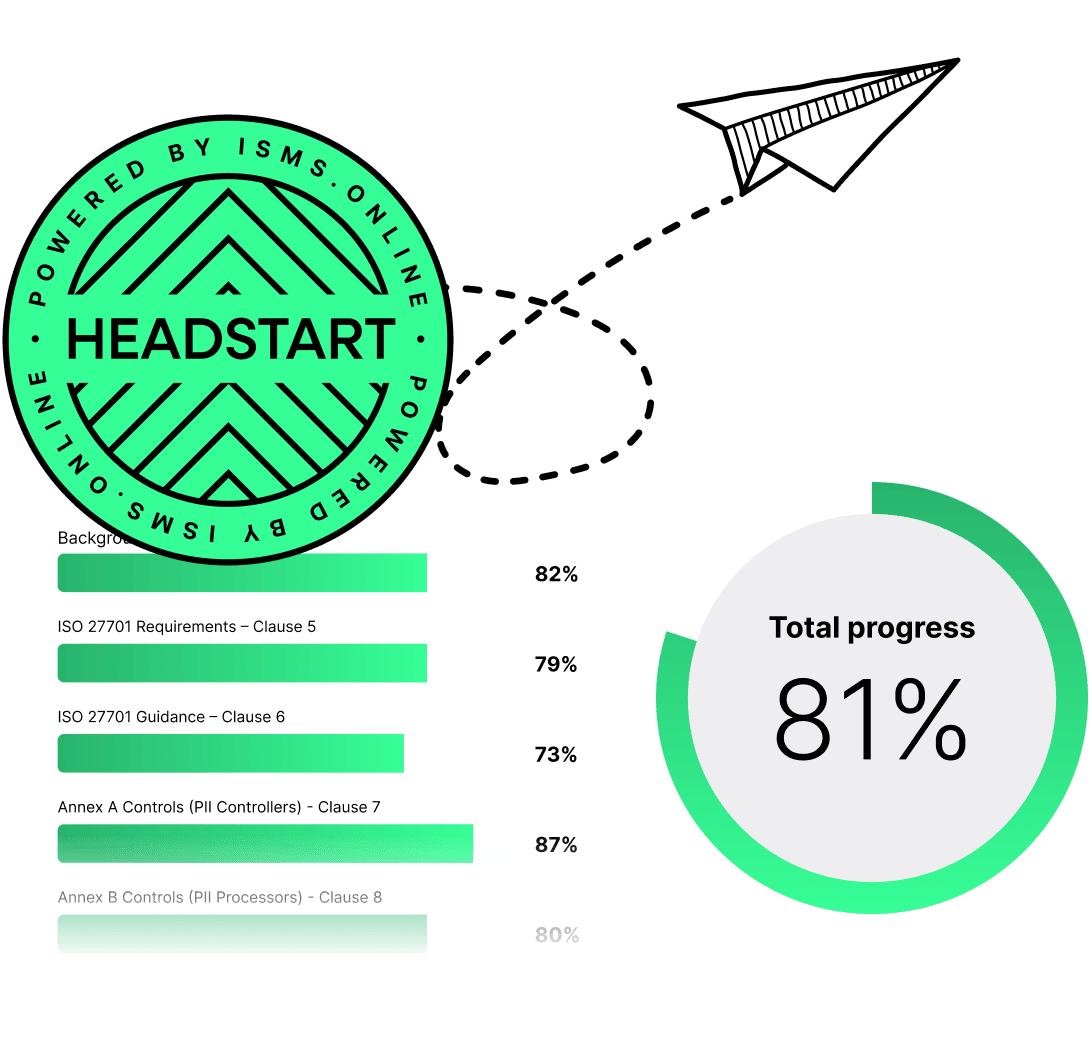
An 81% Headstart from day one
We’ve done the hard work for you, giving you an 81% Headstart from the moment you log on. All you have to do is fill in the blanks.
How to Select the Right Controls for Your SoA?
Selecting the right controls for your Statement of Applicability (SoA) is a strategic endeavour that requires precision and insight. By aligning controls with organisational risks, you can enhance your security posture and ensure ISO 27001 compliance.
Criteria for Control Selection
To choose effective controls, evaluate their relevance and impact:
- Risk Alignment: Controls must address identified risks, mitigating potential threats effectively.
- Relevance: Determine if the control suits your organisation’s context and operational needs.
- Compliance: Ensure alignment with ISO 27001 Annex A requirements and any additional standards or customer needs.
- Resource Allocation: Assess the resources needed for implementation and maintenance.
Determining Control Relevance
Understanding control relevance is crucial. This involves:
- Contextual Analysis: Examine your organisation’s environment to identify necessary controls.
- Stakeholder Input: Collaborate with key stakeholders to gain insights on control applicability and impact.
- Documentation: Record controls that do not apply, justifying their exclusion (ISO 27001:2022 Clause 5.5).
Tailoring Controls to Risks
Tailoring controls to specific risks is essential for an effective SoA. This approach ensures that security measures are not only compliant but also practical and impactful. By customising controls, organisations can:
- Enhance Security Posture: Tailored controls fortify your overall security framework, addressing unique vulnerabilities.
- Optimise Resources: Direct efforts towards controls that offer the most significant risk reduction.
Impact on Security Posture
The selection of controls profoundly influences your organisation’s security posture. By choosing relevant and effective measures, you can:
- Mitigate Risks: Lessen the likelihood and impact of security incidents.
- Demonstrate Compliance: Exhibit commitment to ISO 27001 standards and customer requirements.
- Build Trust: Strengthen stakeholder confidence in your information security management system.
By meticulously selecting and tailoring controls, your organisation can achieve a robust security posture that aligns with both regulatory requirements and business objectives.
Conducting a Risk Assessment: A Strategic Approach
Why Is Risk Assessment Crucial for the SoA?
Risk assessment is the cornerstone of crafting a Statement of Applicability (SoA). It uncovers potential threats and vulnerabilities, guiding control selection to ensure robust risk management and alignment with the ISO 27001 standard. By pinpointing and evaluating risks, organisations can customise their security measures to address specific needs, fortifying their overall security posture.
Steps in Risk Assessment
- Identify Risks: Catalogue potential threats to your information assets, considering your organisation’s context and vulnerabilities.
- Evaluate Risks: Assess the likelihood and impact of each identified risk using methodologies like OCTAVE, NIST SP 800-30, or ISO 27005.
- Prioritise Risks: Rank risks based on their potential impact and likelihood, focusing on those posing the greatest threat.
- Select Controls: Choose appropriate security measures to mitigate identified risks, ensuring effective control selection and comprehensive risk management.
Informing the SoA
The results of a risk assessment directly inform the SoA, ensuring it reflects the specific security needs of your organisation. By aligning controls with identified risks, the SoA becomes a dynamic tool for managing information security.
Importance for Control Selection
Thorough risk identification is crucial for effective control selection. By understanding the specific threats your organisation faces, you can tailor controls to address these risks, enhancing your security posture and ensuring compliance with the ISO 27001 standard.
Ensuring Comprehensive Risk Identification
To ensure comprehensive risk identification, engage stakeholders across your organisation. This collaborative approach provides diverse perspectives, uncovering potential risks that may otherwise go unnoticed.
By integrating these steps into your risk assessment process, you can craft a Statement of Applicability that not only meets compliance requirements but also strengthens your organisation’s overall security framework. This foundation sets the stage for exploring how these strategies can be practically applied to enhance your security posture.

Free yourself from a mountain of spreadsheets
Embed, expand and scale your compliance, without the mess. IO gives you the resilience and confidence to grow securely.
How to Align Controls with Business Goals?
Aligning security controls with business objectives is a strategic necessity for effective risk management and compliance. This alignment ensures that security measures not only support organisational goals but also enhance the overall security posture and compliance efforts.
Why Alignment is Essential for Risk Management
- Enhanced Risk Management: Aligning controls with business objectives allows organisations to manage risks more effectively and protect critical assets.
- Improved Compliance: This alignment aids in meeting regulatory requirements, reducing the risk of non-compliance and potential penalties.
Benefits of Aligning Controls with Organisational Goals
- Resource Optimization: Aligning controls ensures efficient use of resources, focusing efforts on areas that provide the most significant impact.
- Increased Stakeholder Confidence: Demonstrating alignment with business objectives builds trust with stakeholders, including customers and regulators.
Strategies for Aligning Controls with Business Objectives
- Conduct a Thorough Risk Assessment: Identify and evaluate risks to align controls with business objectives effectively.
- Engage Stakeholders: Collaborate with key stakeholders to ensure controls meet organisational needs and objectives.
- Regularly Review and Update Controls: Continuously assess and adjust controls to maintain alignment with evolving business goals.
Impact of Misalignment
Misalignment between controls and business objectives can negatively impact compliance efforts and risk management. It may lead to inefficient resource allocation, increased vulnerability to threats, and potential regulatory penalties.
By aligning controls with business objectives, organisations can enhance their security posture, improve compliance, and build stakeholder trust. Our platform, ISMS.online, empowers you to streamline this process, ensuring your security measures support your organisational goals. Embrace alignment today to optimise your risk management and compliance efforts.
Documenting the Statement of Applicability
Key Elements of the SoA
The Statement of Applicability (SoA) is crucial for ISO 27001 compliance, detailing controls within your organisation’s Information Security Management System (ISMS). It ensures clarity and audit readiness by outlining relevant controls and justifications. The SoA should specify whether each control is fully implemented, in progress, or not yet started, facilitating a seamless audit process and demonstrating compliance with the ISO 27001 standard.
Structuring the SoA for Clarity and Effectiveness
To achieve clarity, structure the SoA methodically. Begin with a comprehensive list of controls, categorised by their implementation status. Include detailed justifications for each control, explaining its relevance to your organisation’s security posture. This structured approach enhances readability and supports audit readiness by providing a clear framework for evaluators to assess compliance.
Importance for Audit Readiness
Documentation is critical for audit readiness, providing a transparent record of your organisation’s security measures and alignment with ISO 27001 requirements. A well-documented SoA demonstrates your commitment to maintaining a robust security framework, reducing the risk of non-compliance and potential penalties. By ensuring all controls and justifications are up-to-date, you can confidently present your security posture to auditors and stakeholders.
Ensuring Up-to-Date Documentation
Maintaining current documentation is essential for the SoA’s effectiveness. Regular reviews and updates should reflect changes in your organisation’s security environment and evolving ISO 27001 standards. Engage stakeholders in this process to capture diverse perspectives and ensure comprehensive coverage of potential risks and controls.
By meticulously documenting the SoA, organisations can enhance their security posture, streamline audit processes, and demonstrate compliance with ISO 27001 standards. This foundation sets the stage for exploring how these strategies can be practically applied to enhance your security framework.

Manage all your compliance, all in one place
ISMS.online supports over 100 standards and regulations, giving you a single platform for all your compliance needs.
Reviewing and Updating the Statement of Applicability
When Should the SoA Be Reviewed and Updated?
To keep your Statement of Applicability (SoA) relevant and effective, regular updates are crucial. This ensures it accurately mirrors your organisation’s current security posture and compliance with the ISO 27001 standard. We advise reviewing the SoA at least annually or whenever significant changes occur in your organisation’s risk profile or control requirements.
Triggers for Updates
- Risk Profile Changes: New threats or vulnerabilities necessitate a reassessment of existing controls.
- Control Adjustments: Updates in regulatory or organisational policies require modifications to the SoA.
- Technological Advancements: Adoption of new technologies may introduce new risks or control opportunities.
Importance for Compliance
An up-to-date SoA is vital for demonstrating compliance with ISO 27001 (Clause 5.5). It ensures that your organisation’s security measures align with current standards and effectively manage identified risks. Regular updates not only support compliance but also enhance your organisation’s overall security posture.
Streamlining the Review Process
To streamline the review process, consider the following strategies:
- Automated Monitoring: Implement tools that automatically track changes in the risk profile and control requirements.
- Stakeholder Engagement: Involve key stakeholders in the review process to gather diverse insights and ensure comprehensive coverage.
- Scheduled Reviews: Establish a regular review schedule, such as quarterly or bi-annually, to ensure timely updates.
By adopting these strategies, organisations can ensure that their SoA remains relevant and effective, supporting both compliance and risk management efforts. This proactive approach not only mitigates risks but also strengthens the organisation’s security framework.
Further Reading
Overcoming Challenges in Crafting a Statement of Applicability
Navigating Common Challenges
Crafting a Statement of Applicability (SoA) involves navigating several challenges, such as selecting the right controls and aligning them with business objectives. These obstacles can hinder the effectiveness of your Information Security Management System (ISMS) and compliance with the ISO 27001 standard.
Strategic Solutions for Overcoming Challenges
-
Aligning Controls with Risks: Collaborate with stakeholders to ensure controls address organisational risks and objectives. This alignment fortifies your security posture and compliance efforts.
-
Maintaining Current Documentation: Regularly update documentation to reflect evolving security needs and regulatory requirements. This practice ensures your SoA remains relevant and effective.
-
Streamlining with Technology: Utilise automation tools, such as those offered by ISMS.online, to simplify the SoA process. These tools enhance efficiency and accuracy in documentation.
The Importance of Proactive Measures
Proactively addressing challenges in SoA crafting is crucial for maintaining a robust security framework. By anticipating potential issues and implementing strategic solutions, organisations can mitigate risks and ensure compliance. This proactive approach not only strengthens security but also builds stakeholder confidence.
How ISMS.online Supports Your Efforts
ISMS.online plays a pivotal role in overcoming SoA challenges. Our platform offers automation tools that streamline documentation, ensuring your SoA remains current and effective. Compliance officer Jane Smith emphasises the role of automation in simplifying SoA management, highlighting its impact on efficiency and accuracy.
By addressing these challenges with strategic solutions and utilising platforms like ISMS.online, organisations can craft an effective SoA that aligns with ISO 27001 standards, enhances security posture, and supports compliance efforts. Embrace these strategies to optimise your ISMS and achieve audit readiness.
Enhancing SoA Management with Technology
How Can Technology Streamline SoA Management?
Integrating advanced tools into the Statement of Applicability (SoA) management process can significantly enhance both efficiency and compliance. By automating routine tasks and seamlessly integrating compliance tools with existing IT systems, technology simplifies SoA management. This approach not only conserves time but also minimises human error, ensuring your organisation’s compliance efforts remain robust and reliable.
Available Tools for Effective SoA Management
Several tools enhance SoA management, with ISMS.online leading the charge. Our platform offers a comprehensive suite of features designed to streamline compliance processes. From automated risk assessments to real-time monitoring, ISMS.online provides the tools needed to maintain an up-to-date SoA effortlessly. These capabilities ensure that your organisation can quickly adapt to changing regulatory requirements and maintain a strong security posture.
Importance for Compliance
The role of technology in maintaining compliance cannot be overstated. By leveraging automation and integration, organisations can ensure that their SoA reflects the latest security measures and regulatory standards. This proactive approach enhances compliance and builds trust with stakeholders by demonstrating a commitment to information security. As regulatory landscapes evolve, staying ahead of compliance requirements is crucial for maintaining a competitive edge.
Enhancing Processes with ISMS.online
ISMS.online stands out as a premier solution for SoA management, offering tools that enhance compliance efforts and streamline processes. Our platform’s automation features simplify documentation, reduce manual workload, and ensure that your SoA remains current and effective. By choosing ISMS.online, your organisation can focus on strategic initiatives while confidently managing compliance.
Embrace the power of technology to transform your SoA management processes. With ISMS.online, you can streamline compliance efforts, enhance security, and ensure that your organisation remains at the forefront of information security management.
Ensuring Audit Readiness
Steps to Achieve Audit Readiness
Achieving audit readiness for the ISO 27001 standard requires meticulous planning and documentation. Key steps include:
- Update the SoA: Ensure your Statement of Applicability (SoA) is comprehensive and current, reflecting all applicable controls and their justifications (ISO 27001:2022 Clause 5.5).
- Conduct Internal Audits: Regularly perform internal audits to identify gaps and areas for improvement, ensuring alignment with ISO 27001 requirements.
- Engage Stakeholders: Collaborate with key stakeholders to ensure alignment with business objectives and compliance requirements.
Contribution of the SoA to Audit Readiness
The SoA is pivotal in audit readiness, serving as a blueprint for your Information Security Management System (ISMS). It outlines the controls in place and provides justifications for their selection, demonstrating compliance with ISO 27001 standards. A well-crafted SoA ensures that your organisation is prepared for audits by clearly documenting security measures and their alignment with identified risks.
Importance of Audit Readiness for Compliance
Audit readiness is crucial for maintaining compliance with ISO 27001 (Clause 9.2). It ensures that your organisation’s security measures are effective and aligned with regulatory requirements. By being audit-ready, you can demonstrate your commitment to information security and build trust with stakeholders.
How ISMS.online Supports Audit Preparation
Our platform, ISMS.online, offers robust support for audit preparation, providing tools that streamline the process and enhance compliance efforts. With features like automated risk assessments, real-time monitoring, and comprehensive documentation capabilities, ISMS.online ensures your SoA remains up-to-date and effective. By using our platform, you can confidently navigate the complexities of audit readiness and maintain a strong security posture.
Embrace the power of technology to transform your audit preparation processes. With ISMS.online, you can streamline compliance efforts, enhance security, and ensure that your organisation remains at the forefront of information security management.
Best Practices for Continuous Improvement in SoA Management
What Are the Best Practices for Continuous Improvement?
Continuous improvement is crucial for maintaining compliance and enhancing security measures. Regularly reviewing and updating the Statement of Applicability (SoA) ensures that your organisation’s security framework remains robust and aligned with ISO 27001 standards (Clause 10.2). Key practices include:
- Periodic Assessments: Schedule regular evaluations to gauge the effectiveness of current controls and pinpoint areas for enhancement.
- Collaborative Engagement: Involve diverse teams to gain insights and ensure comprehensive coverage.
- Dynamic Monitoring: Employ tools that track changes in the risk profile and control requirements.
How Can Organisations Implement These Practices Effectively?
Effective implementation of continuous improvement practices requires a strategic approach:
- Define Clear Goals: Establish specific objectives for each review cycle to concentrate efforts on critical areas.
- Embrace Technology: Utilise platforms like ISMS.online to streamline the review process and boost efficiency.
- Maintain Transparency: Keep detailed records of updates and modifications to the SoA to ensure accountability.
Why Is Continuous Improvement Important for Compliance?
Continuous improvement is essential for demonstrating compliance with ISO 27001 (Clause 10.2). It ensures that your organisation’s security measures are effective and aligned with evolving standards. By proactively addressing potential issues, you can mitigate risks and strengthen your overall security framework.
How Can ISMS.online Facilitate Continuous Improvement?
ISMS.online plays a crucial role in facilitating continuous improvement. Our platform offers tools that simplify documentation, automate monitoring, and provide real-time insights into your organisation’s security framework. By choosing ISMS.online, you can focus on strategic initiatives while confidently managing compliance.
Embrace continuous improvement to optimise your SoA management and ensure ongoing compliance with ISO 27001 standards. With ISMS.online, you can fortify your security measures and maintain a competitive edge in the realm of information security management.
Book a Demo with ISMS.online
Discover the Power of ISMS.online
Unlock the full potential of ISMS.online by scheduling a demo to see how our platform can revolutionise your Statement of Applicability (SoA) management. This interactive session offers a detailed overview of our features, showcasing how they streamline compliance processes and boost efficiency.
Explore Key Features
During the demo, you’ll delve into a suite of tools designed to optimise SoA management:
- Automated Risk Assessments: Simplify risk identification and evaluation, ensuring comprehensive coverage and alignment with ISO 27001 standards.
- Real-Time Monitoring: Gain up-to-date insights into your security posture and compliance status, enhancing your organisation’s responsiveness.
- Comprehensive Documentation: Access detailed records that facilitate audit readiness and demonstrate compliance with ISO 27001 (Clause 9.2).
Grasping Our Capabilities
A demo is crucial for understanding ISMS.online’s capabilities. It demonstrates how our platform integrates seamlessly with your existing systems, enhancing your organisation’s security framework. By grasping these capabilities, you can make informed decisions that align with your business objectives and compliance needs.
Schedule Your Demo Today
Scheduling a demo with ISMS.online is straightforward. Visit our website and choose a convenient time for your session. Our team will guide you through the platform, addressing any questions you may have. This personalised experience ensures you fully understand how ISMS.online can support your compliance efforts.
Take the next step in enhancing your SoA management by booking a demo today. Experience the benefits of ISMS.online and discover how our platform can streamline your compliance processes and strengthen your security posture.
Book a demoFrequently Asked Questions
Understanding the Statement of Applicability in ISO 27001
Purpose of the Statement of Applicability
The Statement of Applicability (SoA) is a cornerstone of the ISO 27001 framework, detailing the specific controls selected for an organisation’s Information Security Management System (ISMS). It serves to justify the inclusion or exclusion of these controls, ensuring alignment with security objectives and compliance mandates.
Role in ISO 27001 Compliance
In the context of ISO 27001 compliance, the SoA is indispensable. It meticulously documents the controls that are implemented, not applicable, or excluded, along with justifications for these decisions. This transparency is crucial for demonstrating adherence to the standard’s requirements and facilitating the audit process. By clearly documenting the rationale behind control selection, the SoA helps organisations maintain a robust security posture and meet regulatory obligations.
Importance for Risk Management
Risk management lies at the heart of the SoA’s function. By identifying and evaluating potential threats, the SoA enables organisations to implement targeted security measures that effectively mitigate risks. This proactive approach not only enhances the organisation’s security framework but also reduces the likelihood of security incidents and data breaches. A well-crafted SoA is instrumental in aligning security strategies with business objectives, ensuring that resources are allocated efficiently and effectively.
Enhancing Organisational Security
The SoA is a dynamic tool that evolves with the organisation’s security needs. By regularly reviewing and updating the SoA, organisations can ensure that their security measures remain relevant and effective in the face of emerging threats. This continuous improvement process is vital for maintaining compliance with ISO 27001 (Clause 5.5) and for building stakeholder confidence in the organisation’s commitment to information security.
Crafting a Statement of Applicability: A Step-by-Step Guide
Creating a Statement of Applicability (SoA) is essential for aligning your organisation’s security measures with the ISO 27001 standard. This process involves several strategic steps that ensure compliance and enhance audit readiness.
Steps to Create an SoA
-
Identify Applicable Controls: Start by selecting controls that address your organisation’s specific risks. Conduct a thorough analysis of your security framework to determine which controls are necessary for mitigating identified threats.
-
Conduct a Risk Assessment: Evaluate potential threats to your information assets. This step is crucial for understanding vulnerabilities within your organisation and prioritising risks based on their potential impact and likelihood. Use methodologies like OCTAVE or ISO 27005 for comprehensive risk evaluation.
-
Document the SoA: Clearly outline each control, its implementation status, and justification. This documentation is vital for audit readiness, providing a transparent record of your security measures and their alignment with ISO 27001 requirements (Clause 5.5).
Importance of Risk Assessment
Risk assessment forms the foundation of an effective SoA. It informs control selection by identifying and evaluating potential threats, ensuring that your security measures are both comprehensive and targeted. This proactive approach not only mitigates risks but also enhances your organisation’s overall security posture.
Enhancing Audit Readiness Through Documentation
A well-documented SoA is crucial for audit readiness. It demonstrates your organisation’s commitment to maintaining a robust security framework and provides auditors with a clear understanding of your security measures. Regularly updating the SoA ensures it reflects current security needs and regulatory requirements, supporting compliance efforts.
By following these steps, you can craft a Statement of Applicability that not only meets compliance requirements but also strengthens your organisation’s security framework. This strategic approach ensures that your security measures align with business objectives, enhancing both compliance and risk management efforts.
Why is the Statement of Applicability Important?
Why is the SoA Critical for Compliance?
The Statement of Applicability (SoA) is crucial for demonstrating adherence to the ISO 27001 standard. By meticulously outlining the controls selected for an organisation’s Information Security Management System (ISMS), it provides justifications for their inclusion or exclusion. This transparency is essential for meeting regulatory requirements and facilitating the audit process, ensuring that organisations maintain a robust security posture.
How Does the SoA Support Risk Management?
At the core of the SoA’s function lies risk management. By identifying and evaluating potential threats, the SoA empowers organisations to implement targeted security measures that effectively mitigate risks. This proactive approach not only strengthens the organisation’s security framework but also reduces the likelihood of security incidents and data breaches. A well-crafted SoA aligns security strategies with business objectives, ensuring efficient resource allocation.
What Role Does the SoA Play in Audit Readiness?
The SoA is indispensable for audit readiness, serving as a blueprint for the ISMS. It documents the controls in place and provides justifications for their selection, demonstrating compliance with ISO 27001 standards (Clause 5.5). A comprehensive SoA ensures that organisations are prepared for audits by clearly documenting security measures and their alignment with identified risks.
How Can the SoA Enhance Security Posture?
The SoA is a dynamic tool that evolves with the organisation’s security needs. By regularly reviewing and updating the SoA, organisations can ensure that their security measures remain relevant and effective in the face of emerging threats. This continuous improvement process is vital for maintaining compliance with ISO 27001 and for building stakeholder confidence in the organisation’s commitment to information security.
The Statement of Applicability is a cornerstone of ISO 27001 compliance, providing a clear framework for managing risks and enhancing organisational security. By aligning security measures with business goals, the SoA ensures that organisations can navigate the complexities of information security management with confidence and clarity.
How Often Should the Statement of Applicability Be Updated?
Frequency of SoA Review
To maintain your Statement of Applicability (SoA) as a dynamic tool that accurately reflects your organisation’s current security posture, regular updates are essential. We recommend reviewing the SoA at least annually or whenever significant changes occur in your organisation’s risk profile or control requirements. This proactive approach ensures that your security measures align with evolving threats and compliance standards.
Triggers for Updates
Several factors can necessitate updates to the SoA:
- Risk Profile Changes: New threats or vulnerabilities necessitate a reassessment of existing controls.
- Control Adjustments: Updates in regulatory or organisational policies require modifications to the SoA.
- Technological Advancements: Adoption of new technologies may introduce new risks or control opportunities.
Importance of Regular Review
Maintaining an up-to-date SoA is vital for demonstrating compliance with the ISO 27001 standard. It ensures that your organisation’s security measures align with current standards and effectively manage identified risks. Regular updates not only support compliance but also enhance your organisation’s overall security posture. This continuous improvement process is crucial for building stakeholder confidence in your organisation’s commitment to information security.
Streamlining the Review Process
To streamline the review process, consider the following strategies:
- Automated Monitoring: Implement tools that automatically track changes in the risk profile and control requirements.
- Stakeholder Engagement: Involve key stakeholders in the review process to gather diverse insights and ensure comprehensive coverage.
- Scheduled Reviews: Establish a regular review schedule, such as quarterly or bi-annually, to ensure timely updates.
By adopting these strategies, organisations can ensure that their SoA remains relevant and effective, supporting both compliance and risk management efforts. This proactive approach not only mitigates risks but also strengthens the organisation’s security framework.
Overcoming Challenges in Crafting a Statement of Applicability
Identifying Common Challenges
Crafting a Statement of Applicability (SoA) is a nuanced process that requires aligning security controls with both ISO 27001 standards and your organisation’s strategic objectives. This alignment can be challenging due to the dynamic nature of security threats and evolving compliance requirements.
Strategies for Overcoming Challenges
-
Engage Stakeholders: Involve key stakeholders early in the control selection process. Their insights can ensure that chosen controls effectively address organisational risks and objectives, thereby enhancing your security posture.
-
Maintain Documentation: Regularly update your documentation to reflect changes in security needs and regulatory requirements. This practice not only supports compliance but also ensures that your SoA remains a relevant and effective tool for risk management.
-
Utilise Technology: Implement advanced tools like ISMS.online to streamline the SoA process. Automation can simplify documentation, reduce manual errors, and boost overall efficiency.
Importance of Proactive Measures
Addressing challenges proactively is crucial for maintaining a robust security framework. By anticipating potential issues and implementing strategic solutions, organisations can mitigate risks and ensure compliance. This proactive approach not only fortifies security but also builds stakeholder confidence in your organisation’s commitment to information security.
How ISMS.online Can Assist
Our platform, ISMS.online, is instrumental in overcoming SoA challenges. It offers automation tools that streamline documentation, ensuring your SoA remains current and effective. Compliance officer Jane Smith underscores the role of automation in simplifying SoA management, highlighting its impact on efficiency and accuracy.
By addressing these challenges with strategic solutions and utilising platforms like ISMS.online, organisations can craft an effective SoA that aligns with ISO 27001 standards, enhances security posture, and supports compliance efforts. Embrace these strategies to optimise your ISMS and achieve audit readiness.
How Technology Enhances SoA Management
Streamlining SoA Management with Technology
In the realm of information security, technology is a transformative force in managing the Statement of Applicability (SoA). By automating routine tasks and integrating compliance tools with existing IT systems, organisations can conserve time and minimise human error. This approach ensures that compliance efforts remain robust and reliable. Advanced tools streamline processes, making SoA management more efficient and effective.
Available Tools for SoA Management
ISMS.online leads the way in SoA management, offering a comprehensive suite of features designed to streamline compliance processes. From automated risk assessments to real-time monitoring, our platform provides the tools needed to maintain an up-to-date SoA effortlessly. These capabilities ensure that your organisation can quickly adapt to changing regulatory requirements and maintain a strong security posture.
Importance for Compliance
The role of technology in maintaining compliance cannot be overstated. By leveraging automation and integration, organisations can ensure that their SoA reflects the latest security measures and regulatory standards. This proactive approach enhances compliance and builds trust with stakeholders by demonstrating a commitment to information security. As regulatory landscapes evolve, staying ahead of compliance requirements is crucial for maintaining a competitive edge.
Enhancing Processes with ISMS.online
ISMS.online stands out as a premier solution for SoA management, offering tools that enhance compliance efforts and streamline processes. Our platform’s automation features simplify documentation, reduce manual workload, and ensure that your SoA remains current and effective. By choosing ISMS.online, your organisation can focus on strategic initiatives while confidently managing compliance.
Embrace the power of technology to transform your SoA management processes. With ISMS.online, you can streamline compliance efforts, enhance security, and ensure that your organisation remains at the forefront of information security management.






