





































How Does NIS 2 Transform Reporting From a Checkbox Into a High-Stakes Discipline?
NIS 2 fundamentally redefines what it means for your organisation to be compliant-not as a periodic obligation, but as an always-on discipline. This regulation turns incident reporting, entity status classification, and escalation into live, visible governance loops, subject to both national and cross-border scrutiny. If you’re only updating your compliance records after the fact or when prompted by auditors, you’re exposing your team to continuous risk-both operationally and personally.
Real resilience comes from seeing hazards before the regulator does-not after.
How NIS 2 Alters the Playing Field
NIS 2 pushes teams to operate compliance as a living function, not a filing cabinet exercise. Under the new regime, every material change-whether an acquisition, reorganisation, or product launch-must be flagged, relabelled, and, if necessary, reported upstream in real time. This means tracking your “essential” or “important” status at all times, not just annually.
A misclassified status, missed reporting window, or overlooked sector overlay (such as energy or health) can instantly escalate into regulatory action. Even a “near-miss” incident-a failed phishing attack or minor technical anomaly-becomes relevant under NIS 2’s expectations, ensuring nothing slips through the cracks and all events form part of your audit trail.
The Five Critical Actions for NIS 2 Reporting
- Assign a compliance owner to maintain and communicate the live “entity” list-so board and practitioners work from the same source of truth.
- Polish your incident taxonomy: What counts as notifiable for your industry, region, and relevant authorities?
- Overlay national and sectoral deadlines-don’t let conflicting dates catch you out.
- Establish a routine to log “near misses,” not just significant events. Every log builds your process strength.
- Make escalations and handoffs traceable. Workflow diagrams and swimlanes should be embedded in your platform to ensure no handover is lost in translation.
ISO 27001 Bridge Table: Expectation → Operationalisation → Reference
| Expectation (Regulator) | Operationalisation | ISO 27001 / NIS 2 Reference |
|---|---|---|
| Live status validation | Dynamic dashboard, timed reviews, automatic notifications | NIS 2 Art. 3–4, ISO 27001 A.5.4 |
| Systematic near-miss capture | Workflow for failed and successful incident logs | ISO 27001 A.5.24, A.7.7 |
| Highest standard prevails | Sector/national overlays mapped, reflected in project tools | NIS 2 Art. 23, ISO 27001 A.5.1 |
Every status-review failure is a risk tripwire. Ask for automated triggers that tie changes to board notification and workflow checkpoints before the next audit cycle.
Book a demoWhere Does Liability Land: Board, Practitioner-or Both?
NIS 2 introduces direct accountability: directors, managers, and operational leads can no longer rely on policy signatures or generic committee reports to demonstrate compliance. Regulators now scrutinise the evidence chain, expecting live, granular logs that confirm scrutiny, challenge, and escalation are not just claimed-but demonstrated.
A sign-off isn’t a shield-only a living trail of actions and oversight keeps the board and practitioners protected.
Personal and Organisational Exposure: What’s Changed?
NIS 2’s structure is explicit: regulatory fines can hit the organisation and individuals. Directors are expected to evidence their oversight (training logs, board challenges, escalations), while practitioners face investigation if their reporting or record-keeping falls short. Siloed or backfilled documentation no longer passes muster.
Dashboard must-have: Show the full chain of board sign-off-combine digital signatures, time-stamped challenge logs, and oversight records into a single audit node. Board, risk, and operational stakeholders must be able to review live records and confirm their own lines of defence.
Building a Defensible Accountability Chain
- Embed routine board sign-offs that are visible and time-tracked-DocuSign integrations or PDFs are not enough without central logging.
- Document all debate and dissent-notes on challenges, delays, or dissenting votes can shield (or expose) directors.
- Map the flow up and down: align parent, subsidiary, and vendor responsibility flows so cross-entity risk is never ambiguous.
- State in policy who takes liability for specific failures-clarity deters finger-pointing and re-triaging during crises.
- Audit your reporting process for “overstatements”: keep disclosures factual and tie every claim to supporting logs.
Table: Function, Exposure, Guardrail
| Role/Function | Exposure Risk | Visual/Operational Guardrail | Reference |
|---|---|---|---|
| Board/Exec | Personal fines | Digital sign-off tracker, challenge log | NIS 2 Art. 20, 31 |
| IT/Security Leaders | Civil/individual | Oversight and reviewer mapping | ISO 27001 A.5.4 |
| Legal/Privacy/Risk | Omission risk | Legal review chain, escalation map | NIS 2 Art. 23, 31 |
Quarterly reviews should include a scenario walkthrough of board sign-off flows and oversight logs-a static review exposes missed challenge points, the same points that can lead to enforcement action under NIS 2.

Master NIS 2 without spreadsheet chaos
Centralise risk, incidents, suppliers, and evidence in one clean platform.
How Do You Disclose Incidents Without Risking Self-Incrimination?
Your incident report is a legal artefact-part shield, part potential liability. Self-incrimination risks arise not only from factual missteps but from workflow weaknesses: incomplete privilege checks, shared draught histories, or NDAs that don’t cover incident scope. Every step, from first draught to final board submission, must be mapped, logged, and tested for defensibility.
Transparency builds your shield, but careless disclosure can cut both ways.
Structuring Defensible, Non-Incriminating Reporting
- Introduce legal review at every stage-first draught, midstream edit, and final sign-off. A single misstep in privilege can undermine your whole incident response.
- Bake privilege and NDA terms into every critical supplier contract-before you onboard or share incident logs, confirm these protections.
- Log every aborted draught, privilege review, and decision to escalate or withhold. Evidence of scrutiny, not just submission, is your best legal defence.
- Enforce a policy for cautious escalation-train staff to halt for sign-off rather than guess or pre-empt (“If in doubt, escalate, don’t disclose.”).
Traceability Table: Trigger → Risk Update → Control → Evidence
| Trigger | Risk update | Control/SoA Link | Evidence |
|---|---|---|---|
| Ransomware | 24-hour legal alert | A.5.24, 5.25; NIS 2 Art. 23 | Legal/DPO review log |
| Near-miss (phish) | Escalation, no submit | A.5.24 | Privilege review trace |
| Supplier breach | NDA/privilege check | A.5.19, NIS Art. 31 | Supply contract update |
If your workflow does not include visually logged privilege reviews and “draughts not submitted,” your team is open to accusations of selective reporting and failed escalation. Build every checkpoint-privilege, NDA review, supervisory sign-off-into your ISMS or GRC dashboard as swimlane steps and make them visible in case reviews.
Can Automation Accelerate Reporting Without Compromising Defensibility?
Automated alerting and incident workflow tools improve speed-but without privilege checks or role-mapped logs, they multiply risk. Unchecked automation can expose your team to litigation-ready error trails, as every missed review is now a permanent, timestamped record.
Move faster-but make sure every process stop is mapped and logged, not bypassed.
Building Safe Automation into Your NIS 2 Process
- Automate only with positive legal and compliance sign-off for any escalation or report sent to regulators.
- Every edit, update, and hand-off should create a time-stamped, role-mapped record-if it isn’t visual, it isn’t defensible.
- Redact and check all content before submission: automated workflow templates must include privilege philtres, not just data entry fields.
- Regularly rehearse incident chain reconstruction-run dry-runs so audit and response teams can “see” every log and flag bottlenecks before the auditor does.
The gold standard is role-driven automation, not unchecked speed. Embed hard-stop privilege reviews and legal sign-offs before any regulated reporting step, and make audit visualisation part of board-level reporting.
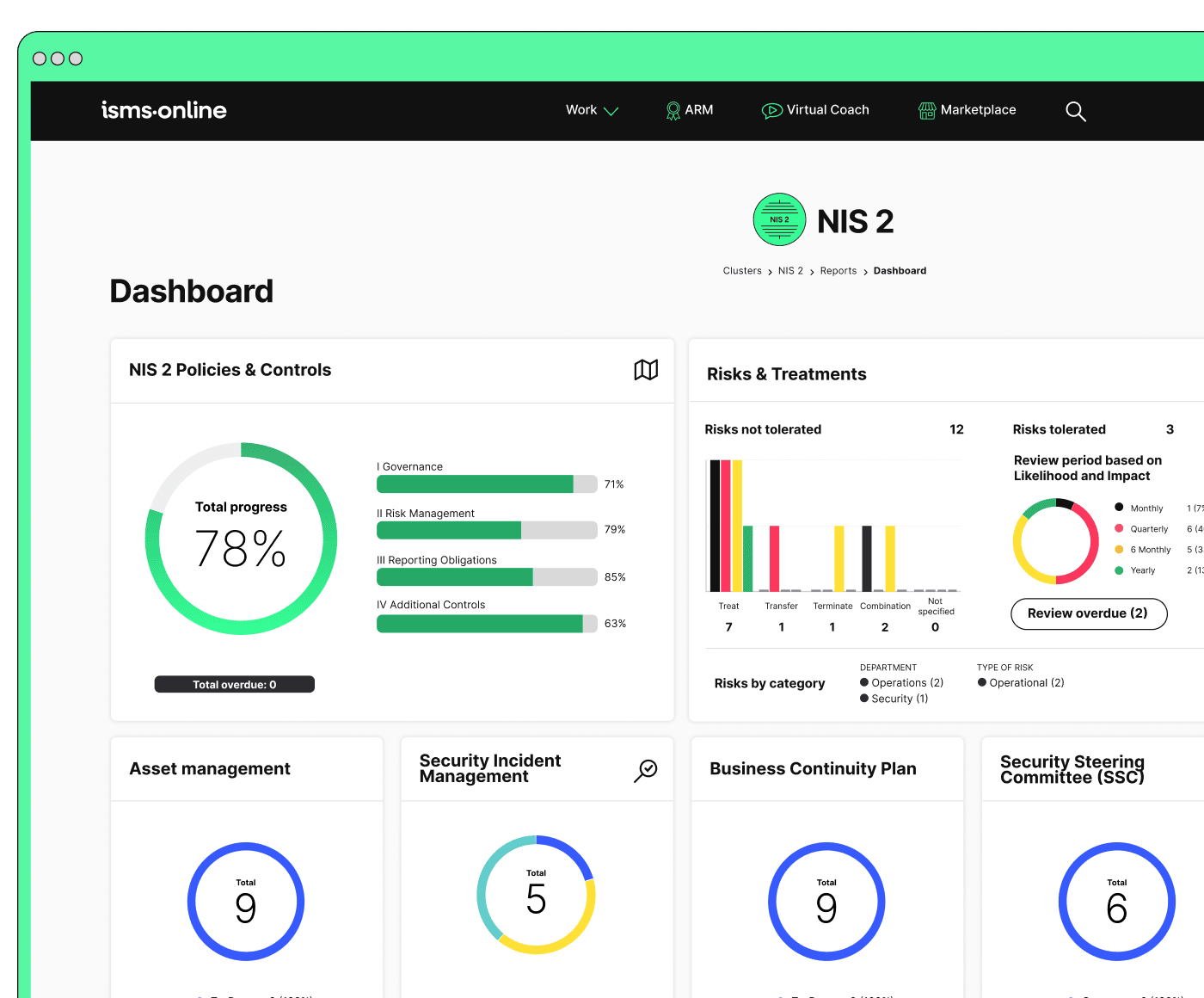
Be NIS 2-ready from day one
Launch with a proven workspace and templates – just tailor, assign, and go.
Cross-Border Supply Chains: How Do You Guard Against Jurisdictional Loopholes?
NIS 2’s liability cascade means that a process gap or reporting failure in any linked jurisdiction or supplier can backfire rapidly. The more global your supply chain, the greater the accountability for clear privilege, NDA coverage, and incident playbooks.
A weak link overseas doesn’t just add risk-it recasts your whole board’s exposure.
Making Cross-Border Reporting Resilient
- Map reporting contacts, deadlines, and responsibilities for every EU member state, supplier, and business partner-dashboards should tell you at a glance who answers to whom and by when.
- Write NDA and privilege expectations into every supplier contract and verify for every new onboarding-don’t let partners push liability back on you via ambiguous contract terms.
- Train HR and local leads: clear incident response scripts and escalation contact trees help prevent ad-libbed, risky disclosures.
- Assign a compliance owner with mandate to track global law updates and integrate them into workflows-ENISA and sector-specific notices need to be visible to first-responders in every site.
Table: Distributed Resilience Chain
| Task | Board/CISO | Practitioner/HR | Reference |
|---|---|---|---|
| Map reporting timelines | Escalation tree, sign-off | “Alert X, by Y hours” | ENISA, NIS 2, law |
| NDA/privilege audit | Contract dashboard | Flag missing terms | NIS 2, GDPR |
| HR briefing | Training log review | Script, escalation | ENISA, local law |
A resilient team visualises and reviews its entire cross-border escalation and contract map quarterly-don’t let complexity become your biggest exposure.
What Are the Subtle Mistakes That Trigger NIS 2 Enforcement?
Most enforcement doesn’t stem from catastrophic, obvious breaches-it comes from subtle process gaps: an undocumented handoff, a missed privilege check, or timelines without visual confirmation. Silent red flags build over quarters, until a regulator or board review triggers a wave of scrutiny.
Audits rarely punish spectacular errors; it’s the quiet, recurring gaps that create regulatory headaches.
Preventing and Surfacing Hidden Reporting Risks
- Map role/responsibility red flags visually-if every responsibility is not mapped, assign it or request ISMS support.
- Use dashboard clocks and alert banners that display every deadline and status, resetting when delays trigger escalation.
- Institute quarterly “tabletop” reviews: reconstruct incident chains and privilege checks visually; where missing, update playbooks and logs.
- Treat every missed flag or deadline as a live event: review logs, assign board remediation, and ensure boardroom scrutiny.
Proactive visibility of every reporting step prevents regulatory “gotchas”-it’s the quietly lagging logs and missed reviews that sink audit-readiness.
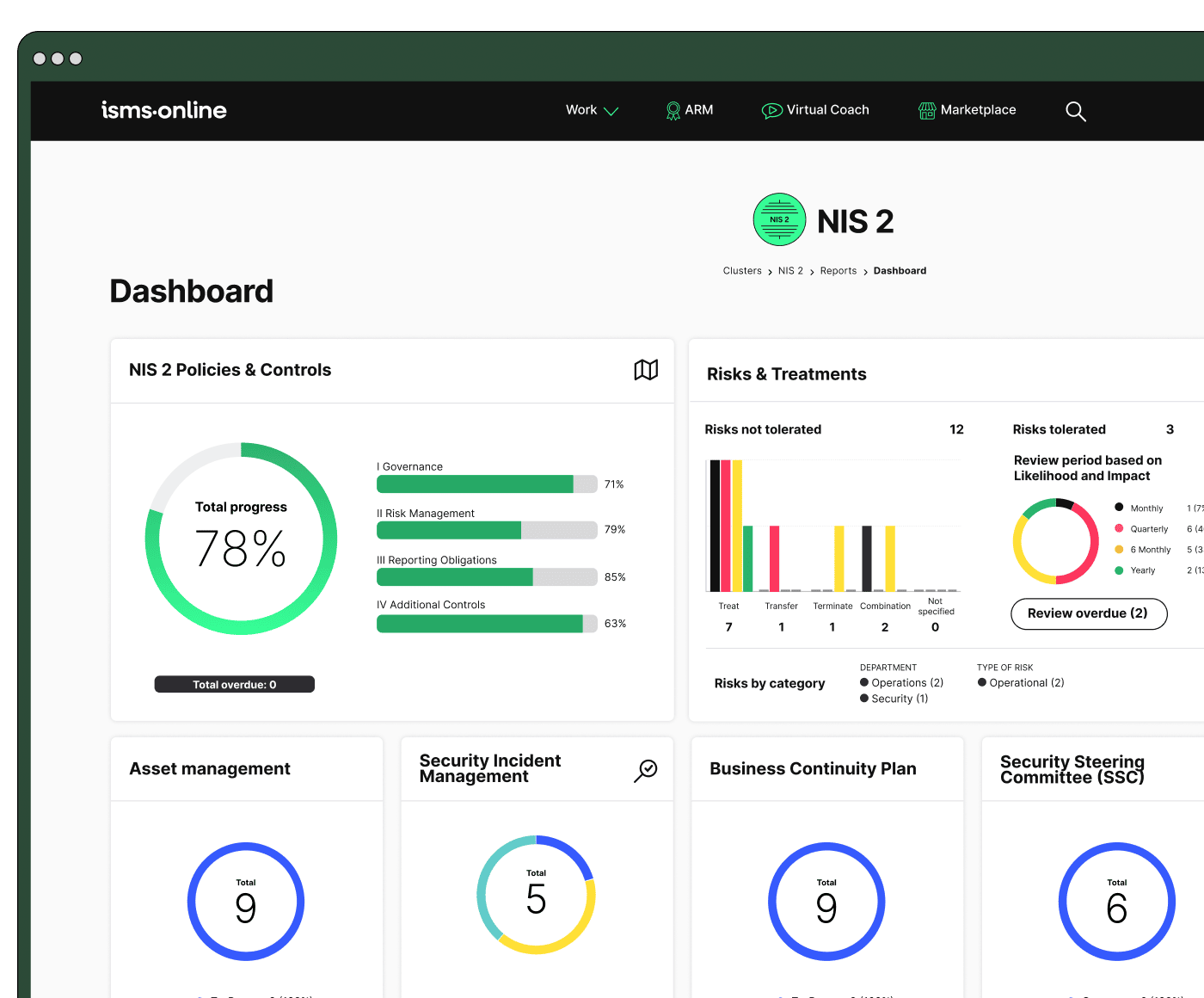
All your NIS 2, all in one place
From Articles 20–23 to audit plans – run and prove compliance, end-to-end.
What Does Defensible, Board-Trusted Reporting Look Like in Practise?
Defensibility is designed, not patched-by using traceable, visual audit chains that start at the first draught and run through to board lessons-learned. Every scenario drill, feedback loop, and contract update should be instantly exportable for audit or board review.
The audit hero is the evidence chain that can be navigated by any director, any time.
Enabling Audit-Ready Traceability
- Log every draught, edit, and privilege check-role-mapped and time-stamped-so the evidence chain becomes self-explanatory.
- Conduct quarterly scenario drills-board or audit committee members must be able to watch the chain-of-custody unfold for any incident (timeline, role, sign-off).
- Instantly update workflows after every live incident-don’t leave playbook improvements waiting for annual reviews.
- Centralise all logs and scenario outcomes-make dashboard exports available for board meetings and live audits.
Table: Evidence Chain Design
| Principle | Audit Step | ISO 27001 / NIS 2 Ref |
|---|---|---|
| Draughts/logs | Visual, role-mapped log | A.5.4, A.7.8 (ISO 27001:2022) |
| Evidence Lineage | Scenario/periodic review | ISO 27001 clause 9.2 |
| Workflow/contract update | Board log review | ISO 27001 clause 10 |
When the audit comes, what’s visualised and tracked in real time convinces auditors and directors-more than printouts or file-based reports.
How Does ISMS.online Future-Proof NIS 2 Reporting Resilience?
Most platforms patch processes for each new regulation, but legacy and fragmented tools build risk into the system itself-delaying detection of lapses, privilege errors, and duplicate reporting. ISMS.online offers a consolidated platform that translates high-impact, cross-domain compliance into a live, auditable record, closing gaps and raising stakeholder confidence from operations to the board.
Real compliance is a rhythm, not a rescue-resilience comes from platformised rhythm.
Key Levers ISMS.online Delivers Against NIS 2 Complexity
- Unified dashboards: See every update-status, deadlines, and privilege checks-at a glance, with realtime export to the audit room.
- Role-driven privilege management: NDA terms and privilege controls are built into every critical workflow; leaks and accidental self-incrimination become visible exceptions.
- Deadline assurance: Automated alerts, flags, and compliance clocks ensure timelines are held instinctively, not by manual oversight.
- Dynamic improvement: Every incident and lesson learned propagates throughout incident, audit, and contract workflows-closing silent gaps and raising the bar for future audits.
Identity CTA:
Elevate your incident response by building resilience into your reporting chain-make every audit, board review, and regulator check a moment of calm, not chaos.
Frequently Asked Questions
Who is required to report under NIS 2, and what is the precise threshold for an incident notification?
Any organisation defined as an “essential” or “important” entity under NIS 2-including critical infrastructure (energy, finance, health, water, transport), digital providers (such as cloud, e-commerce, search engines), and managed IT service firms-must report incidents that could seriously compromise operations, data confidentiality, or customer trust. The threshold is broader than ever: it’s not just full-scale data breaches or outages. Now, any significant operational disruption, major cyberattack, widespread data loss, ransomware causing business paralysis, large supplier failures, or even “near misses” with material or cross-border risk must be assessed for notification (Art. 23 NIS 2).
Near misses matter. The law expects you to log and periodically review incidents even if not ultimately reported-the trend is from reactive compliance to evidence of proactive governance. National regulators or sector authorities often set stricter rules, shorter timelines (sometimes <24 hours), and lower triggers, especially in finance, health, and infrastructure. Your practical starting point: map all reportable scenarios across your entire EU footprint, supply chain, and sector obligations. Auditors and regulators now look for documented evidence that you can demonstrate this upstream risk mapping at any time.
A near miss, captured and reviewed, often tips the scales from quiet remediation to public enforcement.
ISO 27001 Bridge Table – Incident Reporting
| Expectation | Operationalisation | ISO 27001 / Annex A Reference |
|---|---|---|
| Timely incident reporting | Log, escalate, notify, track | A.5.24, A.5.25, A.6.8 |
| Evidence-rich notification | Audit trail, reviews, updates | A.8.7, A.8.8, A.8.13, A.8.32 |
| Supplier/third-party breach response | Contract comms, cross-border logs | A.5.19, A.5.21, A.7.14 |
What new liability do companies and individuals face for NIS 2 reporting failures?
NIS 2 makes compliance a personal and executive responsibility. Not only does the organisation face heavy fines, regulatory sanctions, and cross-border enforcement, but board members and top management are now explicitly accountable for failures to report, delayed actions, or lack of a documented legal/audit trail (Art. 20, 31). If directors can’t evidence clear incident handling and escalation, penalties can include individual fines, director bans, and, in severe cases, criminal investigation-especially if deliberate obfuscation or gross neglect is proven.
In group or parent-subsidiary structures, liability rises up the chain if the parent sets policy but fails to implement robust oversight. Put simply, regulators now expect every director to know “who decided what, and when.” Board minutes, escalation logs, “tabletop” scenario exercises, and real-time legal reviews provide the best defence against both company and personal exposure.
Traceable management action is now your firewall; missing logs are interpreted as evidence of neglect.
How should legal privilege, self-incrimination, and mandatory reporting be managed under NIS 2?
The EU’s fundamental rights guarantee (ECHR Art. 6, Charter Art. 47) aims to prevent self-incrimination via incident reporting. In practise, this protection is not absolute-national rules differ, and any document included in an official notification loses privilege. The boundary between preparatory, privileged internal review (including legal analysis) and formal, regulator-facing incident reporting is critical. If you commingle privileged notes with submission draughts or final notifications, you may inadvertently forfeit protection.
To manage this risk:
- Maintain ironclad separation between internal “preparatory” analyses and what’s formally submitted or logged with authorities.
- Include legal review checkpoints and audit sign-off as explicit workflow steps. Timestamp and record every edit, review, and privilege assertion.
- Craft supply chain contracts with NDA and privilege protection for any incident information exchange.
- Never automate submission without an explicit, logged “pause” for legal and executive review.
A robust workflow platform should flag privilege checkpoints and restrict submission rights to qualified staff, with full traceability for every handoff.
Does automation in incident reporting improve or undermine NIS 2 and ISO 27001 compliance?
Judicious automation can reduce missed deadlines and create richer audit trails, but ungoverned automation also injects risk. Automated incident reporting without mandatory pauses or tiered sign-off can result in disclosures before legal review, misreported or incomplete facts, or notification of matters not meeting the reporting threshold-risking regulatory “false positive” scrutiny or confidentiality lapses.
Safeguard automation with:
- Mandatory human pause points-legal/exec sign-off required prior to submission.
- Full logging: edits, approvals, template choices, timestamps, responsible roles.
- Quarterly “dummy” drills to review workflow for privilege, role assignments, and control interpretation.
- Regular auditing of automation rules-ensure no workaround bypasses updated regulatory requirements.
- Restricting notification rights: only authorised, trained users certify submissions.
Well-designed ISMS platforms embed these checks, providing speed and control-the hallmark of compliance leadership.
How do cross-border operations and sector nuances amplify NIS 2 reporting complexity-and what minimises risk?
NIS 2 creates a shared floor, not a ceiling. Different EU countries and sectors (health, finance, digital infra) add their own reporting thresholds and timelines. For example, a critical health provider may need to report an incident within 12–24 hours in France or Germany, but within 72 hours elsewhere. A supply chain incident-such as a cloud outage or ransomware at a remote partner-could trigger obligations simultaneously in several EU states, each policed by their own authority.
Consolidate your approach:
- Chart notification triggers and timelines for each country, business division, and contract partner-keep this mapping live.
- Insert detailed incident notification, privilege, and NDA requirements into all supplier and partner contracts.
- Assign a compliance lead to monitor ENISA guidance and check sector/authority updates.
- Educate HR and legal on local nuances-interview and evidence-collection rights are not uniform.
Cross-border incidents are less about technology and more about organisational readiness to coordinate legal and operational teams at speed.
What operational failures most often lead to NIS 2 enforcement or fines, and how can you avoid them?
Enforcement commonly stems from process-not just technical-failings. The most frequent mistakes include:
- Using standard “template” reports not tailored to incident specifics: these signal neglect, not maturity.
- Failing to involve legal early, or missing privilege logs/approval timestamps-often flagged as wilful neglect.
- Gaps between incident reports and supporting logs, supplier communications, or contractual documentation.
- Not updating supply chain contracts with NDAs/privilege terms, exposing third-party disclosures.
- Missing regulatory deadlines with no documented reasoning-especially true for cross-border incidents.
Routine “tabletop” or dry-run exercises are expected: they let your team practise the full cycle, including privilege, evidence reconciliation, legal sign-off, and supplier communications-creating evidence of a living compliance loop that can be shown to any auditor.
Traceability Table: Incident Event to Audit Evidence
| Trigger | Risk Register Update | ISO 27001 / Annex A Link | Evidence Logged |
|---|---|---|---|
| Ransomware blocks access | BCM elevated; supplier risk | A.5.29, A.8.13, A.8.32 | DR runbook, contracts, logs |
| Vendor data leak | Supplier criticality updated | A.5.19, A.5.21, A.7.14 | NDA, comms, investigation |
| Credential phishing detected | Risk/scenario reviewed | A.5.25, A.8.7, A.8.8 | Report, legal approval |
What makes reporting “audit-ready” for both NIS 2 and ISO 27001-and what does proof look like?
Audit-ready reporting means every incident, decision, and action can be mapped end-to-end: from risk trigger, detection, and deliberation, through communication, remediation, and review, all the way to boardroom discussion (“lessons learned”). Proof is:
- Full, unbroken logs: every edit, decision, privilege/checkpoint, and sign-off is recorded, timestamped, and role-attributed.
- Established review cycles with evidence of management review and continual improvement.
- All evidence artefacts (incident logs, supplier comms, risk register, legal reviews, control updates) mapped to their corresponding ISO/Annex A or SoA references.
ISMS platforms that connect these stages enable “living compliance”-daily, not quarterly-moving you from defensive posture to confident leadership.
How does ISMS.online make NIS 2 compliance and ISO 27001 audit readiness repeatable and resilient?
ISMS.online gives your organisation a backbone for confident, audit-grade NIS 2 and ISO 27001 operations:
- Centralised dashboards: make every incident, deadline, privilege checkpoint, and approval clear-from the boardroom down. Scattered emails and spreadsheets are replaced with workflow oversight.
- Role-specific workflows: enforce privilege and legal sign-off, so no incident moves to notification until it’s fully reviewed and logged.
- Complete audit trails: record every action, edit, and approval-making evidence retrieval and reporting fast and granular.
- Supplier management and improvement tracking: cover third-party and cross-border risks, closing the gap between what’s reported and what’s improved.
This is daily, defensible compliance-and reputation insurance for directors and teams alike. The organisations that move rapidly, prove control, and demonstrate readiness position themselves as trusted leaders in the new regulatory era.






