





































Understanding the Critical Role of the Statement of Applicability
Why the Statement of Applicability Matters for ISO 27001 Compliance
The Statement of Applicability (SoA) is indispensable for ISO 27001 compliance. It delineates the controls that are applicable, justifies their inclusion or exclusion, and records their implementation status. This document ensures transparency and accountability within your information security management system, aligning with ISO 27001:2022 Clause 5.5.
Supporting Risk Management Through the SoA
The SoA is integral to risk management, offering a structured method to identify and mitigate potential threats. It aligns controls with your organisation’s risk appetite, ensuring security measures are both relevant and effective. Regular updates are crucial to maintain its relevance as the risk landscape evolves. Notably, organisations report a 40% reduction in compliance audit time with automated SoA tools, underscoring the importance of keeping the SoA current.
Ensuring Audit Readiness
Audit readiness is a vital component of ISO 27001 compliance, with the SoA playing a central role. It provides auditors with a clear view of your organisation’s security posture, facilitating a smoother audit process. A well-maintained SoA not only enhances compliance but also builds trust with stakeholders.
Risks of an Outdated SoA
An outdated SoA poses significant compliance risks, potentially undermining your organisation’s security posture and audit readiness. Regular reviews and updates are essential to ensure the SoA remains a dynamic and effective tool within your information security management system.
Leveraging ISMS.online for SoA Management
Our platform offers automated solutions to keep your SoA relevant and up-to-date, streamlining compliance efforts for Compliance Officers, Chief Information Security Officers, and CEOs. By integrating with other compliance frameworks, ISMS.online ensures comprehensive risk management and continuous improvement. Discover how our tools can enhance your compliance strategy today.
Book a demoUnderstanding the Components of the Statement of Applicability
What Are the Key Components of the Statement of Applicability?
The Statement of Applicability (SoA) is a cornerstone of ISO 27001 compliance, detailing the controls selected to mitigate identified risks. It comprises several key components:
-
Control Selection: This involves choosing appropriate controls from ISO 27001 Annex A, which includes 114 controls across 14 categories. These controls are essential for addressing specific risks and ensuring compliance (ISO 27001:2022 Clause 5.5).
-
Justification: Each control’s inclusion or exclusion must be justified, providing a rationale that aligns with the organisation’s risk appetite and regulatory requirements. This ensures that the SoA remains relevant and effective.
-
Implementation Status: Tracking the current state of control application is vital. It ensures that all controls are effectively implemented and maintained, aligning with the organisation’s security posture and regulatory obligations.
How Do Control Selection and Justification Fit into the SoA?
Control selection and justification are foundational to the SoA. They ensure that the chosen controls effectively mitigate risks and align with organisational objectives. By providing clear justifications, organisations can demonstrate their commitment to maintaining a robust security posture.
Why Is Implementation Status Important in the SoA?
Implementation status is crucial as it tracks the progress and effectiveness of control application. Regular updates ensure that the SoA reflects the current risk environment and organisational changes, maintaining its relevance and effectiveness.
How Can the SoA Be Aligned with Regulatory Requirements?
Aligning the SoA with regulatory requirements involves ensuring that selected controls meet legal and industry standards. This alignment enhances the organisation’s security posture and demonstrates compliance with ISO 27001 requirements.
Understanding these components is vital for maintaining an effective SoA. With these foundational elements in mind, the next step is to conduct a thorough risk assessment. This process not only identifies potential threats but also informs the selection of appropriate controls, ensuring that the SoA remains relevant and aligned with your organisation’s evolving objectives and risk landscape.
ISO 27001 made easy
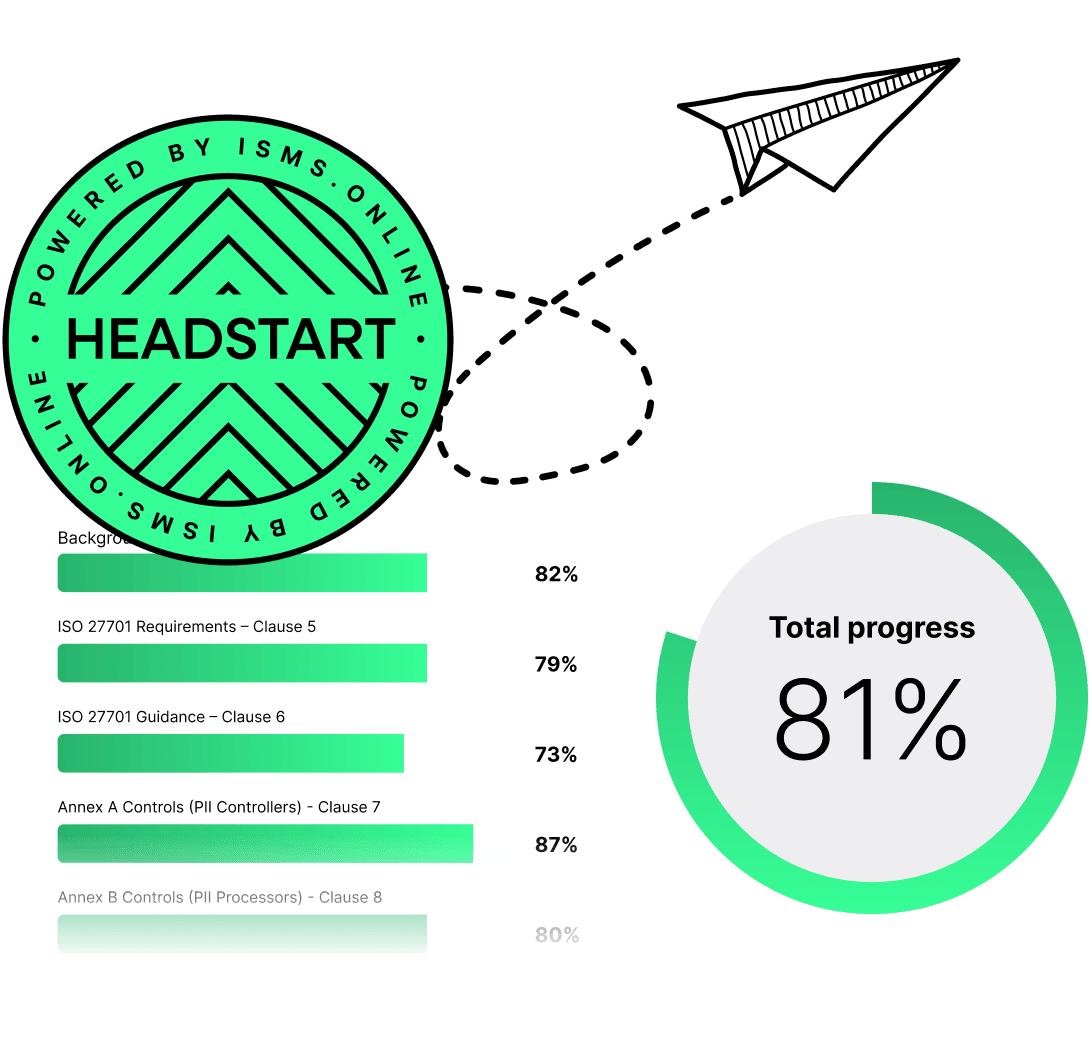
An 81% Headstart from day one
We’ve done the hard work for you, giving you an 81% Headstart from the moment you log on. All you have to do is fill in the blanks.
How to Conduct a Risk Assessment for the SoA
Steps to Conduct a Comprehensive Risk Assessment
A thorough risk assessment is foundational for an effective Statement of Applicability (SoA). Begin by identifying potential risks that could impact your organisation’s security posture. This involves:
- Risk Identification: Catalogue potential threats and vulnerabilities within your information security framework.
- Risk Analysis: Evaluate the likelihood and impact of identified risks, prioritising them based on severity.
- Risk Evaluation: Determine which risks require mitigation and align them with your organisation’s risk appetite.
Influence of Risk Assessment on Control Selection
Risk assessment directly informs control selection within the SoA. By understanding specific threats, you can choose controls that effectively mitigate these risks. This alignment ensures security measures are relevant and effective, supporting your compliance strategy (ISO 27001:2022 Clause 5.5).
Importance of Regular Risk Assessment Updates
Regular updates to the risk assessment are essential for maintaining alignment with changing business objectives and emerging threats. As your organisation evolves, so do the risks it faces. By reviewing and updating the risk assessment at least annually or when significant changes occur, you ensure that your SoA remains a dynamic and effective tool in your information security management system.
Integrating Risk Assessment with Business Objectives
Integrating risk assessment with business objectives ensures that compliance efforts support organisational goals. This involves:
- Alignment with Strategic Goals: Ensure that risk management strategies align with broader business objectives.
- Stakeholder Engagement: Involve key stakeholders in the risk assessment process to gain insights and ensure buy-in.
- Continuous Improvement: Use insights from risk assessments to inform strategic decisions and drive continuous improvement.
Understanding the importance of regular risk assessments lays the groundwork for selecting and justifying controls within the Statement of Applicability. This next step ensures that the controls not only mitigate identified risks but also align seamlessly with your organisation’s objectives and compliance strategies.
How to Select and Justify Controls in the SoA
Criteria for Control Selection
Choosing controls within the Statement of Applicability (SoA) demands a strategic approach. Controls must align with identified risks, business objectives, and legal obligations. This ensures each control effectively addresses threats and vulnerabilities, safeguarding your organisation’s information security management system (ISO 27001:2022 Clause 5.5).
Justifying Controls Effectively
To justify controls, provide a clear rationale for each decision. Demonstrate how controls align with risk management strategies and support organisational goals. This transparency not only facilitates audits but also builds trust with stakeholders by showcasing the security measures in place.
Importance of Documenting Control Justification
Documenting control justification is vital for transparency and accountability. It offers a comprehensive rationale for decisions, supporting compliance efforts and facilitating audits. A well-documented SoA ensures control decisions are transparent and justifiable, reinforcing your organisation’s commitment to security.
Aligning Control Selection with Risk Management
Regular reviews and updates ensure controls remain relevant and effective against evolving risks. By integrating control selection with broader risk management efforts, organisations can enhance their security posture and demonstrate compliance with ISO 27001 requirements.
Understanding how to select and justify controls is a crucial step in ensuring your Statement of Applicability supports organisational objectives. Next, explore how aligning the SoA with business goals can enhance compliance efforts and contribute to overall success.

Free yourself from a mountain of spreadsheets
Embed, expand and scale your compliance, without the mess. IO gives you the resilience and confidence to grow securely.
Aligning the SoA with Business Objectives
Strategic Alignment of the SoA
Aligning your Statement of Applicability (SoA) with organisational goals is crucial for enhancing compliance and supporting strategic objectives. This alignment ensures that your compliance efforts are not only effective but also contribute to overall business success. To achieve this, consider the following:
-
Continuous Evaluation: Regularly assess and update the SoA to reflect changes in business strategies and objectives. This dynamic approach keeps your compliance efforts aligned with evolving organisational goals.
-
Stakeholder Involvement: Engage key stakeholders in the SoA alignment process. Their insights and priorities ensure that the SoA reflects the organisation’s true objectives, fostering a sense of ownership and commitment.
-
Integration with Business Strategy: Ensure that the SoA is not just a compliance document but a strategic tool that supports broader business goals. This integration enhances compliance efforts and contributes to the organisation’s success.
Advantages of Aligning the SoA with Business Objectives
Aligning the SoA with business objectives offers several advantages:
-
Targeted Compliance: By aligning the SoA with organisational goals, you ensure that compliance efforts are focused and effective, reducing the risk of non-compliance.
-
Operational Efficiency: A well-aligned SoA streamlines compliance processes, saving time and resources.
-
Stakeholder Confidence: Demonstrating alignment with business objectives builds trust with stakeholders, showcasing your commitment to both compliance and strategic goals.
The Role of Business Objectives in the SoA
Considering business objectives in the SoA is crucial for several reasons:
-
Strategic Support: Ensures that compliance efforts support and enhance organisational goals.
-
Risk Alignment: Aligning the SoA with business objectives helps identify and mitigate risks that could impact strategic goals.
-
Continuous Adaptation: Regularly updating the SoA to reflect business objectives fosters a culture of continuous improvement and adaptability.
By aligning your SoA with business objectives, you not only enhance compliance efforts but also contribute to the overall success of your organisation. Engage with ISMS.online to explore how our platform can support this alignment and drive your compliance strategy forward.
Best Practices for Maintaining the Statement of Applicability
Ensuring Relevance and Effectiveness
Maintaining the Statement of Applicability (SoA) is crucial for ISO 27001 compliance. Regular updates ensure alignment with organisational objectives and the evolving risk environment. Conducting these reviews annually, or when significant changes occur, helps keep the SoA relevant and effective (ISO 27001:2022 Clause 5.5).
Frequency of Reviews and Updates
To reflect current risks and priorities, the SoA should be reviewed regularly. Ideally, this occurs annually or more frequently if significant changes in the risk environment or business objectives arise. This proactive approach minimises compliance risks and enhances audit readiness.
Importance of Stakeholder Engagement
Engaging stakeholders is vital for an effective SoA. Involving key stakeholders ensures the SoA reflects organisational priorities and fosters ownership. This collaboration enhances the document’s relevance and supports strategic goals.
Integrating Automation and Best Practices
Incorporating automation into SoA management streamlines maintenance efforts. Automation reduces manual tasks, enhances efficiency, and ensures the SoA remains a robust compliance tool. These tools facilitate regular updates and stakeholder engagement, contributing to overall compliance efforts.
By following these best practices, your SoA remains a dynamic and relevant tool in your compliance strategy, supporting organisational objectives and risk management efforts.

Manage all your compliance, all in one place
ISMS.online supports over 100 standards and regulations, giving you a single platform for all your compliance needs.
How to Automate SoA Updates
Streamlining SoA Management with Automation Tools
Automation tools are essential for efficiently managing the Statement of Applicability (SoA). By leveraging compliance management software and automated workflows, organisations can significantly reduce manual tasks and enhance operational efficiency. These solutions ensure that your SoA remains current and aligned with ISO 27001:2022 requirements (Clause 5.5).
Advantages of Automating SoA Management
Automating SoA updates offers several benefits. It minimises human error, reduces compliance audit time by up to 40%, and ensures that the SoA accurately reflects the current risk environment. This efficiency not only supports compliance efforts but also frees up resources for strategic initiatives.
Addressing Repetitive Tasks with Automation
Repetitive tasks in SoA management, such as data entry and status tracking, can be time-consuming and prone to errors. Automation addresses these challenges by standardising processes and ensuring consistency. This approach enhances the accuracy and reliability of the SoA, contributing to a robust information security management system.
Integrating Automation with Compliance Frameworks
Integrating automation with existing compliance frameworks is crucial for maximising efficiency. By aligning automated tools with your organisation’s compliance strategy, you can streamline updates and reviews, reducing the risk of oversight. This integration ensures that your SoA remains a dynamic and effective tool in your compliance strategy.
Automation in SoA management not only enhances efficiency but also strengthens compliance efforts. By adopting these tools, organisations can focus on strategic objectives while maintaining a robust security posture.
Further Reading
How to Ensure Stakeholder Engagement in SoA Management
The Value of Stakeholder Engagement
Involving stakeholders in managing the Statement of Applicability (SoA) is crucial for aligning it with your organisation’s goals and enhancing compliance. Stakeholders bring diverse perspectives, ensuring the SoA accurately reflects current risks and priorities.
Strategies for Effective Engagement
- Consistent Dialogue: Regular meetings foster collaboration and keep stakeholders informed.
- Open Communication: Transparent communication channels ensure stakeholders are involved in decision-making.
- Insightful Feedback: Sessions for gathering insights and addressing concerns keep the SoA relevant.
Benefits of Stakeholder Involvement
Engaging stakeholders in SoA management offers several advantages:
- Alignment with Objectives: Ensures the SoA aligns with business goals and risk strategies.
- Enhanced Compliance: Incorporates diverse insights, supporting adherence to ISO 27001 requirements.
- Trust Building: Demonstrates commitment to transparency and collaboration, building trust.
Importance of Stakeholder Involvement in Updates
Regular updates to the SoA are essential for maintaining its relevance. Involving stakeholders ensures the document reflects organisational changes and emerging threats, enhancing its effectiveness and supporting continuous improvement.
Enhancing Stakeholder Engagement
To enhance engagement, consider implementing the following:
- Digital Collaboration Tools: Facilitate real-time collaboration and document sharing.
- Defined Roles: Assign specific roles to stakeholders for accountability and active participation.
- Educational Initiatives: Provide training to help stakeholders understand the SoA’s importance and their role in its management.
By prioritising stakeholder engagement, your organisation can ensure the SoA remains a dynamic and effective tool, aligned with both compliance requirements and strategic objectives. This collaborative approach not only strengthens compliance efforts but also contributes to overall business success.
Integrating the Statement of Applicability with Other Compliance Frameworks
How to Integrate the SoA with Other Compliance Frameworks
Integrating the Statement of Applicability (SoA) with other compliance frameworks is essential for a robust risk management strategy. By aligning the SoA with standards like NIST and GDPR, organisations can streamline processes and enhance their security posture. This integration provides a unified view of compliance, ensuring all efforts align with organisational objectives and industry standards.
Benefits of Integration with Other Frameworks
- Unified Risk Management: A consolidated view of risk across frameworks allows for more effective management and mitigation strategies.
- Enhanced Compliance: Aligning with multiple frameworks ensures robust and comprehensive compliance efforts, reducing non-compliance risks.
- Streamlined Processes: Integration simplifies compliance management, reducing redundancy and aligning efforts with organisational goals.
Importance of Considering Other Frameworks in SoA Management
Considering other frameworks in SoA management is crucial for several reasons:
- Holistic Approach: Provides a broader perspective on risk management, ensuring all potential threats are addressed.
- Alignment with Business Objectives: Integrating multiple frameworks ensures compliance efforts support and enhance organisational goals.
- Continuous Improvement: Regular reviews and updates of the SoA ensure alignment with evolving compliance requirements and organisational objectives.
Enhancing Compliance Efforts Through Integration
Integration with other frameworks enhances compliance efforts by providing a comprehensive approach to risk management. This ensures all compliance activities align with organisational goals and industry standards, contributing to overall business success. By regularly reviewing and updating the SoA, organisations can maintain alignment with multiple compliance frameworks and ensure their compliance efforts remain effective and relevant.
Integrating the SoA with other compliance frameworks not only ensures comprehensive risk management but also strengthens the overall compliance architecture. This holistic approach is essential for maintaining alignment with compliance goals and driving continuous improvement.
Measuring the Effectiveness of the Statement of Applicability
Assessing the SoA’s Performance
To ensure the Statement of Applicability (SoA) remains a vital component of your compliance strategy, it’s crucial to evaluate its effectiveness regularly. By employing targeted metrics and methods, organisations can gain valuable insights into the SoA’s performance and guide future updates.
Key Metrics for Evaluation
- Control Implementation: Regularly assess the application of controls to ensure alignment with identified risks and organisational objectives (ISO 27001:2022 Clause 5.5).
- Audit Insights: Analyse audit findings to pinpoint areas for improvement and verify compliance with ISO 27001 requirements (ISO 27001:2022 Clause 9.2).
- Regulatory Adherence: Confirm compliance with legal and industry standards, highlighting how the SoA supports these efforts.
Effective Evaluation Methods
- Periodic Reviews: Conduct regular evaluations to ensure the SoA reflects the current risk environment and organisational priorities.
- Stakeholder Engagement: Gather feedback from key stakeholders to enhance the SoA’s alignment with business objectives and risk management strategies.
- Quantitative Metrics: Utilise performance metrics to assess the SoA’s impact on compliance and risk mitigation.
The Importance of Evaluation
Evaluating the SoA’s effectiveness is essential for several reasons:
- Dynamic Management: Regular evaluation ensures the SoA remains a dynamic tool for compliance and risk management.
- Informed Updates: Insights from evaluations guide future updates, ensuring the SoA remains relevant and effective.
- Continuous Improvement: Regular reviews foster a culture of continuous improvement, supporting organisational goals and compliance efforts.
By systematically evaluating the SoA’s effectiveness, organisations can enhance their compliance strategy and ensure the SoA remains a robust tool for managing risks. This proactive approach not only strengthens compliance efforts but also contributes to overall business success.
Overcoming Challenges in SoA Maintenance
Identifying Common Challenges
Maintaining the Statement of Applicability (SoA) is not without its hurdles. Ensuring it stays relevant amidst evolving risks and aligns with your organisation’s goals is crucial. The balancing act between stakeholder expectations and regulatory demands adds complexity to this task.
Effective Strategies for Overcoming Challenges
To navigate these challenges, consider implementing the following strategies:
-
Scheduled Reviews: Conduct regular evaluations to keep the SoA pertinent and effective. This proactive stance allows for timely updates and necessary adjustments.
-
Engage Stakeholders: Involve key stakeholders in managing the SoA. Their insights can provide valuable perspectives, ensuring the document aligns with organisational priorities.
-
Embrace Automation: Leverage technology to streamline updates and minimise manual tasks. Automation enhances efficiency and accuracy, freeing resources for strategic initiatives.
The Importance of Addressing Challenges
Tackling these challenges head-on is vital for maintaining an effective SoA. By ensuring the document is current and aligned with business objectives, your organisation can bolster compliance efforts and support strategic goals. A well-maintained SoA also fosters trust with stakeholders, demonstrating a commitment to transparency and accountability.
Enhancing SoA Management
Overcoming these challenges not only boosts the document’s effectiveness but also strengthens overall compliance efforts. By integrating regular updates, stakeholder engagement, and automation tools, your organisation can ensure the SoA remains a dynamic and relevant tool within your information security management system. This approach supports continuous improvement and aligns with ISO 27001:2022, ultimately driving business success.
By addressing these challenges directly, your organisation can maintain a robust SoA that supports compliance and strategic objectives. Explore how our platform can assist in streamlining your SoA management process today.
Book a Demo with ISMS.online
Streamlining SoA Management with ISMS.online
ISMS.online offers a robust platform designed to optimise the management of your Statement of Applicability (SoA). Our tools are engineered to enhance compliance, ensuring your SoA aligns seamlessly with ISO 27001 standards. By automating routine tasks, ISMS.online minimises manual effort, allowing your team to concentrate on strategic initiatives.
Key Features for Effective SoA Management
Our platform provides a comprehensive suite of features tailored to elevate SoA management:
- Automated Workflows: Ensure consistency and efficiency across compliance documents, reducing the burden of manual updates.
- Real-Time Collaboration: Facilitate seamless communication and document sharing among stakeholders, enhancing transparency and accountability.
- Risk Assessment Tools: Align your SoA with current risks and organisational objectives, supporting a proactive compliance strategy.
- Version Control: Maintain a detailed history of changes to ensure transparency and accountability, crucial for audit readiness.
Why Choose ISMS.online for Your SoA Management?
Opting for ISMS.online brings numerous advantages:
- Efficiency: Automate repetitive tasks to save time and reduce errors, enhancing overall productivity.
- Compliance: Ensure alignment with ISO 27001 standards through structured workflows and comprehensive documentation.
- Scalability: Adapt effortlessly to organisational changes and evolving compliance requirements.
Experience the ISMS.online Advantage
Booking a demo with ISMS.online offers valuable insights into how our platform can transform your compliance strategy. Experience firsthand the benefits of automation, collaboration, and risk management tools designed to keep your SoA up-to-date and effective. Discover how ISMS.online can support your organisation's compliance efforts and drive success.
Explore the potential of ISMS.online and take the first step towards streamlined SoA management. Engage with our platform to enhance your compliance strategy and ensure your organisation remains at the forefront of information security management.
Book a demoFrequently Asked Questions
What is the Statement of Applicability in ISO 27001?
The Role of the SoA
The Statement of Applicability (SoA) is a cornerstone of the ISO 27001 framework, offering a transparent view of your organisation’s security controls. It lists applicable controls, justifying their inclusion or exclusion, and is crucial for audits, demonstrating compliance with ISO 27001 standards.
Purpose and Compliance
The SoA aligns your organisation’s security controls with identified risks and business objectives. By documenting the rationale behind each control, it supports compliance efforts and facilitates audits. Regular updates ensure the SoA remains relevant and effective in addressing evolving threats and regulatory requirements (ISO 27001:2022 Clause 5.5).
Importance for Audits
During audits, the SoA serves as a key reference, providing auditors with a detailed overview of your security framework. It highlights the controls in place and their implementation status, simplifying the audit process and building trust with stakeholders. A well-maintained SoA enhances compliance and strengthens your organisation’s credibility.
Aligning with Business Objectives
Aligning the SoA with business objectives maximises its effectiveness. This involves ensuring the controls listed in the SoA support your organisation’s strategic goals and risk management strategies. By integrating the SoA with broader business objectives, you enhance compliance efforts and contribute to overall organisational success.
The Statement of Applicability is a dynamic tool essential for ISO 27001 compliance. By maintaining its relevance and alignment with business objectives, your organisation remains audit-ready and resilient against emerging threats.
How Often Should the Statement of Applicability Be Updated?
The Necessity of Regular Updates
Keeping your Statement of Applicability (SoA) current is crucial for aligning with evolving risks and controls. Regular updates ensure that your SoA reflects the latest risk environment, maintaining compliance with the ISO 27001:2022 standard. This proactive stance not only bolsters audit readiness but also fortifies your organisation’s security posture.
Optimal Update Frequency
Review and update your SoA at least annually or whenever significant changes occur. These changes might include shifts in business objectives, technological advancements, or emerging threats. Regular updates ensure that the SoA remains a dynamic tool within your information security management system, supporting continuous improvement and risk mitigation.
Engaging Stakeholders in the Update Process
Involving stakeholders in the update process is essential for ensuring that the SoA reflects organisational priorities and fosters a sense of ownership. Regular meetings and transparent communication facilitate collaboration, ensuring that the SoA aligns with business objectives and risk management strategies.
Harnessing Automation Tools
Automation tools can significantly streamline the SoA update process by reducing manual tasks and enhancing efficiency. These tools help maintain consistency across compliance documents, ensuring that the SoA remains accurate and up-to-date. By integrating automation with compliance processes, organisations can focus on strategic initiatives while maintaining a robust security posture.
Triggers for Updating the SoA
Several factors can necessitate an SoA update, including:
- Changes in Risk Environment: New threats or vulnerabilities may require updates to the SoA.
- Business Objective Shifts: Aligning the SoA with evolving business goals ensures continued relevance.
- Technological Advancements: Incorporating new technologies may necessitate adjustments to existing controls.
By regularly updating the SoA, organisations can ensure that their compliance efforts remain effective and aligned with strategic objectives. This approach not only supports continuous improvement but also enhances stakeholder trust and organisational resilience.
Key Components of the Statement of Applicability
Understanding the Core Elements of the SoA
The Statement of Applicability (SoA) serves as a critical link between risk assessment and control implementation within the ISO 27001 framework. It encompasses several key components that ensure its effectiveness and alignment with regulatory standards.
-
Control Selection: Selecting the right controls from ISO 27001 Annex A is essential for mitigating identified risks. These controls must be tailored to your organisation’s specific risk environment, ensuring a robust security posture.
-
Justification: Each control’s inclusion or exclusion must be backed by a clear rationale. This involves demonstrating how controls align with risk management strategies and support your organisation’s goals. Justification not only enhances transparency but also facilitates audits by providing a comprehensive rationale for control decisions.
-
Implementation Status: Keeping track of the current state of control application is vital. Regular updates ensure that the SoA reflects the current risk environment and organisational changes, maintaining its relevance and effectiveness.
The Role of Control Selection in the SoA
Control selection is foundational to the SoA, ensuring that chosen controls effectively mitigate risks and align with organisational objectives. By providing clear justifications, organisations can demonstrate their commitment to maintaining a robust security posture.
The Importance of Justification in the SoA
Justification is crucial for maintaining transparency and accountability. It provides a comprehensive rationale for control decisions, supporting compliance efforts and facilitating audits. A well-documented SoA ensures that control decisions are transparent and justifiable, building trust with stakeholders and reinforcing the organisation’s commitment to security.
Aligning the SoA with Regulatory Requirements
Aligning the SoA with regulatory requirements involves ensuring that selected controls meet legal and industry standards. This alignment enhances the organisation’s security posture and demonstrates compliance with ISO 27001 requirements.
By understanding these components, you can maintain an effective SoA that supports organisational objectives and compliance strategies. Regular reviews and updates are essential to ensure the SoA remains a dynamic and relevant tool in your information security management system.
Aligning the Statement of Applicability with Business Objectives
Aligning the SoA with Organisational Goals
Align your Statement of Applicability (SoA) with business objectives to ensure compliance efforts contribute to strategic success. Regular reviews and updates keep the SoA dynamic, supporting evolving organisational goals and aligning with ISO 27001:2022 requirements.
Benefits of Strategic Alignment
Aligning the SoA with business objectives enhances compliance by streamlining processes and building stakeholder trust. This alignment ensures:
- Streamlined Compliance: Focused efforts minimise non-compliance risks.
- Operational Efficiency: Saves time and resources.
- Stakeholder Trust: Demonstrates commitment to compliance and strategic goals.
Importance of Alignment in SoA Management
Strategic alignment in SoA management ensures compliance efforts support organisational goals. Integrating the SoA with broader objectives enhances its effectiveness and contributes to success. Regular updates maintain relevance and effectiveness.
Enhancing Alignment Through Stakeholder Engagement
Engage stakeholders in the SoA alignment process to ensure the document reflects true objectives. Their insights foster ownership and commitment, enhancing the SoA’s relevance and effectiveness.
By aligning your SoA with business objectives, you enhance compliance efforts and contribute to organisational success. This strategic alignment transforms compliance from a regulatory requirement into a tool for achieving business excellence.
Best Practices for Maintaining the Statement of Applicability
Regular Review and Update Frequency
Keeping your Statement of Applicability (SoA) current is essential for aligning with the latest risks and organisational priorities. Conduct reviews at least annually or whenever significant changes occur. This proactive approach ensures the SoA remains a dynamic tool within your information security management system, supporting continuous improvement and risk mitigation (ISO 27001:2022 Clause 5.5).
Importance of Stakeholder Engagement
Engaging stakeholders in the SoA maintenance process is crucial for ensuring the document reflects organisational priorities and fosters a sense of ownership. Stakeholders provide diverse perspectives that enrich the SoA, ensuring it reflects the current risk environment. Regular meetings and transparent communication facilitate collaboration, aligning the SoA with business objectives and risk management strategies.
Role of Automation Tools in SoA Maintenance
Automation tools significantly streamline the SoA maintenance process by reducing manual tasks and enhancing efficiency. These tools help maintain consistency across compliance documents, ensuring that the SoA remains accurate and up-to-date. Integrating automation with compliance processes allows organisations to focus on strategic initiatives while maintaining a robust security posture.
Enhancing the Effectiveness of the SoA
Implementing best practices in SoA maintenance enhances its effectiveness and relevance. Regular reviews, stakeholder engagement, and automation tools ensure that the SoA remains a dynamic and effective tool in your compliance strategy. By following these best practices, organisations can support organisational objectives and risk management efforts, ensuring that their SoA remains a vital component of their information security management system.
How Can Automation Tools Assist in SoA Management?
Revolutionising SoA Management
Automation tools are transforming the management of the Statement of Applicability (SoA) by optimising processes and enhancing efficiency. By automating routine tasks, organisations can focus on strategic initiatives, ensuring their SoA aligns with ISO 27001:2022 requirements.
Key Benefits of Automation
- Efficiency Gains: Automation reduces human error and accelerates updates, saving time and resources.
- Consistency and Reliability: Automated workflows ensure uniformity across compliance documents, maintaining accuracy.
- Resource Allocation: By freeing up resources, automation allows teams to concentrate on high-impact activities.
The Role of Automation in Compliance
Automation is crucial for maintaining an up-to-date SoA. It ensures the document reflects the current risk environment and organisational priorities, supporting compliance efforts and strengthening security posture.
Driving Compliance with Automation
Automation tools provide real-time insights and facilitate collaboration among stakeholders. By integrating these tools with compliance processes, organisations can ensure their SoA remains a dynamic and effective tool in their information security management system.
Our platform, ISMS.online, offers comprehensive automation solutions to streamline your SoA management. Experience enhanced efficiency, consistency, and compliance by integrating our tools into your strategy. Take the next step towards optimised SoA management today.






