





























Understanding the Statement of Applicability in ISO 27001:2022
What is the Statement of Applicability?
The Statement of Applicability (SoA) is a cornerstone document in ISO 27001 compliance, detailing applicable controls and justifying their inclusion or exclusion. It serves as a strategic tool within your Information Security Management System (ISMS), aligning security measures with business objectives and supporting risk management.
Why is the SoA Essential for Compliance?
The SoA is crucial for demonstrating compliance and managing information security risks. It outlines the selected controls to mitigate identified risks, providing a rationale for their application. By aligning security measures with strategic goals, a well-structured SoA enhances organisational resilience.
How Does the SoA Support Risk Management?
By detailing the necessary controls to address identified threats and vulnerabilities, the SoA ensures that security measures align with your organisation’s risk appetite and objectives. This facilitates a proactive approach to information security, ensuring that risks are managed effectively.
Aligning the SoA with Business Objectives
Aligning the SoA with business objectives is vital for ensuring that security measures support your organisation’s strategic goals. By integrating the SoA into broader compliance strategies, organisations can enhance their resilience and adaptability in a dynamic regulatory environment.
Streamlining the SoA Process with ISMS.online
Our platform, ISMS.online, offers tools to streamline the SoA process, making it easier for Compliance Officers, Chief Information Security Officers, and CEOs to manage compliance efficiently. With features like dynamic risk management and pre-configured templates, ISMS.online simplifies the creation and maintenance of the SoA, ensuring alignment with ISO 27001:2022.
Take the next step in optimising your compliance strategy. Book a demo today to see our platform in action and enhance your organisation's information security management capabilities.
Book a demoHow to Conduct a Risk Assessment for the SoA
Steps in a Risk Assessment
Conducting a risk assessment is essential for crafting a robust Statement of Applicability (SoA). This process involves several key steps:
-
Identifying Threats: Begin by cataloguing potential threats to your organisation’s information security, considering both internal and external sources.
-
Evaluating Vulnerabilities: Assess system and process vulnerabilities that could be exploited by these threats.
-
Determining Impact: Analyse the potential impact of these threats and vulnerabilities on your organisation’s information security.
Identifying Threats and Vulnerabilities
A comprehensive approach is necessary for identifying threats and vulnerabilities. Utilise tools like OCTAVE, NIST SP 800-30, and ISO 27005, which provide structured methodologies for effective risk assessment. These tools help in systematically identifying, evaluating, and prioritising risks based on their potential impact.
Tools for Risk Assessment
Several tools and methodologies can aid in conducting a thorough risk assessment:
- OCTAVE: A risk-based strategic assessment and planning technique for security.
- NIST SP 800-30: Provides guidelines for conducting risk assessments.
- ISO 27005: Offers guidelines for information security risk management.
Influence of Risk Assessment on Control Selection in the SoA
A thorough risk assessment informs the selection of controls in the SoA, ensuring they address identified risks effectively. By understanding the specific threats and vulnerabilities your organisation faces, you can tailor your controls to mitigate these risks, aligning with your organisation’s risk appetite and strategic objectives.
This comprehensive approach to risk assessment not only strengthens your SoA but also enhances your organisation’s overall security posture, ensuring compliance with the ISO 27001:2022 standard (Clause 5.3).
ISO 27001 made easy
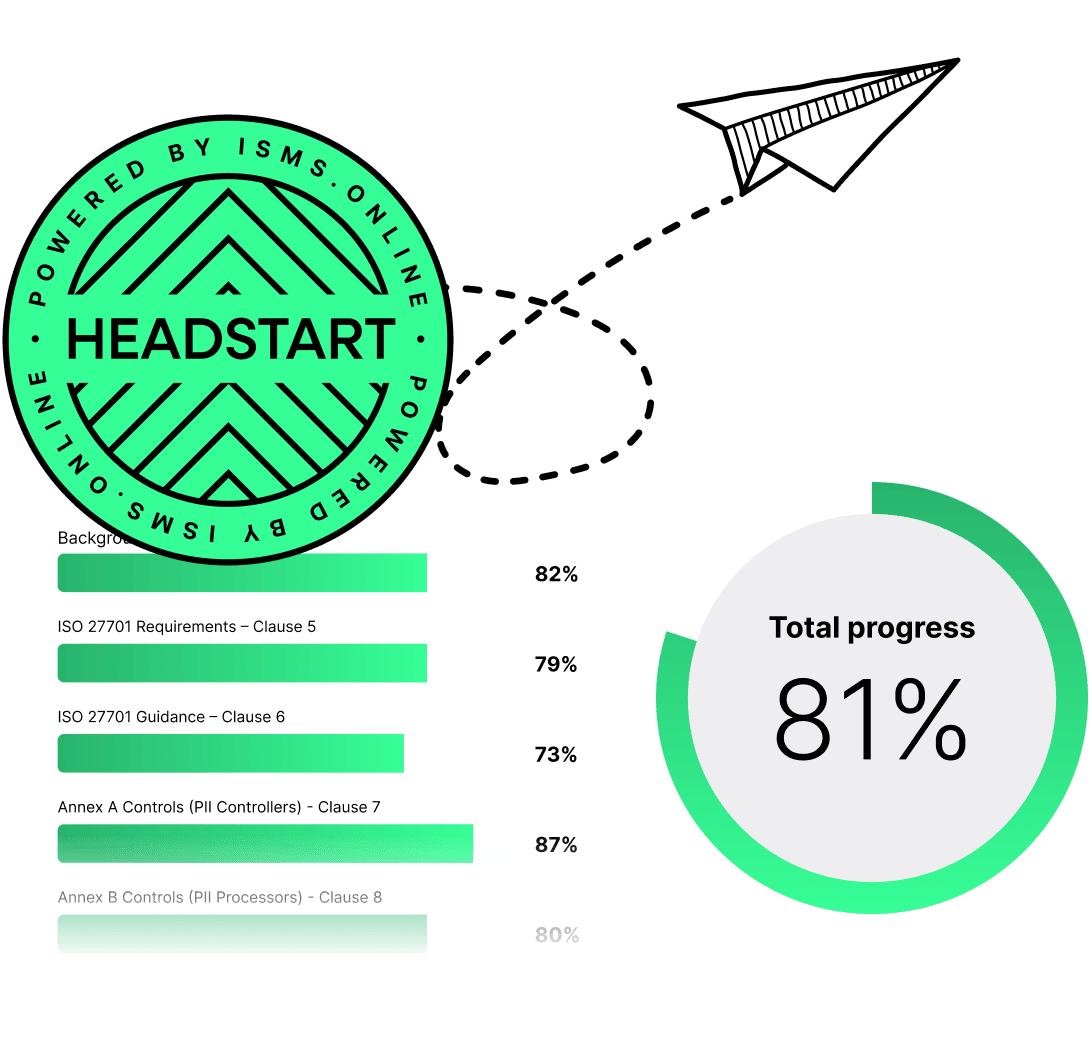
An 81% Headstart from day one
We’ve done the hard work for you, giving you an 81% Headstart from the moment you log on. All you have to do is fill in the blanks.
Why Is Streamlining the SoA Process Essential?
Streamlining the Statement of Applicability (SoA) process is crucial for boosting your organisation’s efficiency and easing compliance burdens. By refining this process, your organisation can prioritise strategic goals over administrative tasks, ensuring security controls remain pertinent and effective.
Benefits of an Efficient SoA Process
An efficient SoA process offers several advantages:
- Resource Optimization: Streamlining facilitates optimal resource distribution, ensuring security measures align with business objectives.
- Strategic Alignment: Integrating the SoA with strategic goals enhances resilience and adaptability.
Reducing Compliance Burdens
Streamlining the SoA process significantly reduces compliance burdens by simplifying documentation and management. This enables your organisation to concentrate on strategic initiatives rather than administrative tasks, supporting continuous improvement and audit readiness.
Enhancing Audit Readiness
An efficient SoA process enhances audit readiness by ensuring controls are current and aligned with organisational objectives. This proactive approach facilitates a smoother audit process, reducing the risk of non-compliance and enhancing organisational credibility.
Supporting Strategic Objectives
Streamlining the SoA process supports strategic objectives by aligning security measures with business goals. This alignment ensures security initiatives contribute to the overall success of your organisation, enhancing resilience and adaptability in a dynamic regulatory environment.
Streamlining the SoA process is essential for reducing compliance burdens, enhancing audit readiness, and supporting strategic objectives. By improving resource allocation and strategic alignment, your organisation can achieve long-term success and resilience in the face of evolving security challenges.
What Are the Key Components of the SoA?
The Statement of Applicability (SoA) is a foundational document within the ISO 27001:2022 framework, offering a comprehensive overview of your organisation’s information security posture. Understanding its key components is vital for effective management and compliance.
Essential Elements of the SoA
-
Applicable Controls: The SoA includes a detailed list of controls selected from Annex A of the ISO 27001:2022 standard. Each control is chosen based on its relevance to your organisation’s risk management strategy, ensuring security measures are tailored to address specific threats and vulnerabilities.
-
Control Justifications: For each control, the SoA provides a clear rationale for its inclusion or exclusion. This justification is essential for demonstrating that the chosen controls align with your organisation’s risk appetite and strategic objectives. By articulating the reasons behind each control, the SoA supports informed decision-making and enhances audit readiness.
-
Implementation Status: The SoA outlines the implementation status of each control, offering a snapshot of your organisation’s current security measures. This transparency is crucial for tracking progress and identifying areas for improvement, ensuring that controls are not only selected but effectively integrated into your organisation’s operations.
Supporting Risk Management
Each component of the SoA plays a critical role in supporting risk management. By aligning controls with organisational strategies, the SoA ensures that security measures are justified and effective. This alignment not only aids in maintaining compliance but also enhances your organisation’s ability to respond to evolving threats.
Understanding these elements is key to maintaining compliance and supporting audit readiness. As organisations navigate the complexities of information security, the SoA serves as a strategic tool, guiding the implementation of controls that bolster resilience and adaptability.

Free yourself from a mountain of spreadsheets
Embed, expand and scale your compliance, without the mess. IO gives you the resilience and confidence to grow securely.
Aligning the SoA with Business Objectives
Ensuring Strategic Alignment
Aligning the Statement of Applicability (SoA) with your business objectives is essential for embedding information security into your organisation’s strategic framework. This alignment enhances the SoA’s value, fostering a culture where security is integral to business operations.
Supporting Organisational Goals
Seamless integration of the SoA with broader business strategies ensures that security measures contribute to your organisation’s success. Aligning the SoA with strategic objectives transforms it into a dynamic tool that adapts to evolving business needs.
Cultivating a Security-Focused Culture
Embedding information security into the organisational culture through a well-aligned SoA encourages proactive risk management and continuous improvement. This cultural shift ensures security measures are integral to business operations.
Enhancing Strategic Value
By aligning the SoA with business objectives, its value is amplified, providing a framework for evaluating security measures against organisational goals. This alignment optimises resource allocation, ensuring investments in security are justified and effective.
Integration with Broader Compliance Strategies
To maximise its impact, the SoA should integrate with broader compliance strategies, ensuring alignment with ISO 27001:2022 and your organisation’s strategic direction. Our platform, ISMS.online, offers tools to streamline this process, providing dynamic risk management and pre-configured templates to simplify SoA management.
Aligning the SoA with business objectives enhances its strategic value and promotes a security-focused culture. This alignment supports organisational goals, improves decision-making, and optimises resource allocation, ensuring that your information security measures contribute to long-term success.
When Should You Update the SoA for ISO 27001:2022?
Regular updates to the Statement of Applicability (SoA) are essential for maintaining compliance with the ISO 27001:2022 standard. These updates ensure that security controls remain relevant and effective in addressing evolving threats and vulnerabilities.
Frequency of SoA Updates
Review and update the SoA at least annually or whenever significant changes occur within your organisation. This proactive approach ensures the document reflects the current risk environment and aligns with your strategic objectives.
Triggers for Updating the SoA
Updates to the SoA should be triggered by various factors, including:
- Operational Changes: Significant changes in business operations or processes.
- New Risks: Identification of new threats or vulnerabilities.
- Regulatory Updates: Changes in legal or regulatory requirements.
Ensuring Continued Compliance
Timely updates to the SoA contribute to ongoing compliance by aligning security controls with the latest standards and best practices. This alignment not only supports audit readiness but also enhances your organisation’s overall security posture.
Addressing Evolving Threats
Regular updates allow organisations to effectively address evolving threats and vulnerabilities. By continuously assessing and updating the SoA, you can ensure that your security measures are robust and capable of mitigating new risks.
Maintaining an up-to-date SoA is crucial for effective risk management and compliance with the ISO 27001:2022 standard. By regularly reviewing and updating the document, you can ensure that your security controls remain relevant and effective in a dynamic threat environment.

Manage all your compliance, all in one place
ISMS.online supports over 100 standards and regulations, giving you a single platform for all your compliance needs.
Can Automation Tools Enhance the SoA Process?
Automation tools are reshaping the Statement of Applicability (SoA) process, offering a streamlined approach that significantly boosts efficiency and accuracy. By automating repetitive tasks, these tools ensure timely updates, reducing manual effort and allowing your organisation to focus on strategic initiatives.
Benefits of Automation Tools
-
Efficiency and Accuracy: Automation tools eliminate manual data entry, ensuring timely updates and minimising errors. This efficiency translates into better resource allocation and strategic alignment with ISO 27001:2022 (Clause 5.3).
-
Reducing Manual Tasks: Automating routine tasks allows your organisation to redirect focus towards strategic objectives, enhancing overall productivity and reducing administrative burdens.
-
Enhancing Audit Readiness: Automation tools ensure real-time updates, providing auditors with accurate information. This readiness reduces non-compliance risks and enhances your organisation’s credibility.
Supporting Continuous Compliance
Automation tools play a crucial role in maintaining continuous compliance by regularly updating the SoA to reflect changes in the risk environment. This proactive approach not only supports audit readiness but also strengthens your organisation’s security posture.
By integrating automation tools, your organisation can streamline the SoA process, ensuring alignment with strategic objectives and enhancing overall efficiency. As we delve deeper, understanding the broader implications of these tools will reveal their transformative potential in compliance management.
Further Reading
Where Can You Access Resources for Effective SoA Management?
Accessing the right resources is crucial for managing the Statement of Applicability (SoA) under the ISO 27001:2022 standard. These resources, including guidelines, templates, and tools, are essential for developing and maintaining a robust SoA that aligns with compliance requirements and best practices.
Available Resources for SoA Management
-
Guidelines and Templates: Comprehensive guidelines offer a structured approach to developing the SoA, ensuring all necessary elements are included. Templates provide a standardised format, facilitating the documentation process.
-
Tools for Development and Maintenance: Specialised software tools streamline the SoA process by automating repetitive tasks and ensuring timely updates. These tools enhance accuracy and efficiency, allowing organisations to focus on strategic objectives rather than administrative burdens.
Ensuring Best Practices
Utilising these resources supports the development and maintenance of a robust SoA, aligning with best practices and compliance requirements. By using guidelines, templates, and tools, organisations can ensure that their SoA is comprehensive and aligned with the ISO 27001:2022 standard. This approach not only facilitates compliance but also enhances the organisation’s overall security posture.
Incorporating these resources into your SoA management strategy ensures that your organisation remains compliant and resilient in the face of evolving security challenges. By accessing the right tools and templates, you can streamline the SoA process, ensuring that it aligns with your strategic goals and supports effective risk management.
How to Identify and Avoid Common Pitfalls in the SoA Process
Recognising Common Pitfalls
Navigating the Statement of Applicability (SoA) process demands precision to sidestep pitfalls that can undermine compliance and control effectiveness. Common challenges include:
- Vague Control Selection: Misalignment with organisational objectives due to unclear control choices.
- Insufficient Documentation: Lack of justification for control inclusion or exclusion complicates audits.
- Infrequent Updates: Failing to update the SoA regularly to reflect changes in the risk environment.
Strategies to Overcome Pitfalls
Organisations can effectively navigate these challenges by:
- Clarifying Documentation: Streamline processes to ensure clarity and consistency.
- Implementing Automation: Use tools to reduce manual errors and enhance accuracy.
- Scheduling Regular Reviews: Conduct periodic assessments to ensure the SoA remains relevant and aligned with evolving risks.
Impact on Compliance
Ignoring these pitfalls can significantly impact compliance, leading to potential non-conformities during audits. Misaligned controls jeopardise security and hinder strategic alignment with business goals. By proactively addressing these issues, organisations can enhance compliance management and ensure the SoA supports their risk management strategy.
Improving the SoA Process
Recognising and avoiding common pitfalls contributes to a more effective SoA process. This proactive approach strengthens compliance and enhances the organisation’s overall security posture. By integrating best practices and leveraging technology, organisations can streamline the SoA process, ensuring it remains a dynamic tool that adapts to changing regulatory landscapes.
Understanding these pitfalls and implementing strategies to avoid them is crucial for maintaining compliance and ensuring the effectiveness of the SoA process. This foundation sets the stage for exploring further enhancements in compliance management and strategic alignment.
What Advantages Does an Efficient SoA Offer?
An efficient Statement of Applicability (SoA) is essential for organisations aiming to streamline compliance with the ISO 27001:2022 standard. By minimising administrative overhead, it ensures that controls remain relevant and effective, directly contributing to organisational success and resilience.
Reducing Compliance Burdens
An efficient SoA reduces the complexity and time associated with compliance management. By clearly defining applicable controls and their justifications, organisations can streamline their compliance processes, freeing up resources to focus on strategic initiatives. This reduction in administrative tasks not only enhances productivity but also supports continuous improvement and audit readiness.
Enhancing Strategic Alignment
Aligning the SoA with strategic objectives ensures that security measures are not only compliant but also contribute to the organisation’s overall goals. This alignment facilitates better decision-making and resource allocation, ensuring that investments in security are both justified and effective. By integrating the SoA into broader business strategies, organisations can enhance their resilience and adaptability in a dynamic regulatory environment.
Supporting Organisational Success
The benefits of an efficient SoA extend beyond compliance, supporting effective risk management and decision-making. By ensuring that controls are tailored to address specific threats and vulnerabilities, organisations can proactively manage risks and enhance their security posture. This proactive approach not only supports compliance but also contributes to long-term organisational success and resilience.
Why Choose ISMS.online for SoA Management?
What Features Does ISMS.online Offer for SoA Management?
ISMS.online provides a robust platform that revolutionises the Statement of Applicability (SoA) process, enhancing compliance and productivity. Our platform automates routine tasks, significantly reducing manual effort and ensuring your SoA remains current and aligned with ISO 27001:2022 requirements. Key features include:
- Dynamic Risk Management: Our system automatically updates risk assessments to reflect the latest threats and vulnerabilities, keeping your organisation ahead of potential risks.
- Pre-configured Templates: Simplifies the creation and maintenance of SoA documents, allowing for quick adaptation to changing compliance needs.
- Real-time Updates: Ensures your SoA is always audit-ready and compliant, providing peace of mind and reducing the risk of non-compliance.
How Does ISMS.online Enhance Efficiency and Compliance?
By automating the SoA management process, ISMS.online significantly boosts productivity. This automation minimises errors and ensures that all necessary updates are implemented promptly. Our platform’s intuitive interface allows for seamless integration with existing systems, facilitating continuous adherence and freeing up resources to focus on strategic initiatives.
What Impact Does ISMS.online Have on Audit Readiness?
ISMS.online plays a vital role in supporting audit readiness by providing up-to-date documentation and comprehensive audit trails. This ensures that your organisation is always prepared for audits, reducing the risk of non-compliance and enhancing credibility. Our platform’s ability to maintain a living document that reflects the current risk environment is crucial for demonstrating compliance and supporting strategic decision-making.
How Does ISMS.online Support Continuous Improvement?
Continuous improvement is at the heart of ISMS.online’s approach to SoA management. By providing tools that facilitate regular updates and reviews, our platform ensures that your SoA evolves with your organisation’s needs. This proactive approach supports a culture of continuous improvement, enhancing your organisation’s resilience and adaptability in a dynamic regulatory environment.
Incorporating ISMS.online into your SoA management strategy not only streamlines compliance efforts but also contributes to organisational success. By utilising our platform’s comprehensive features, you can ensure that your information security measures are both effective and aligned with your strategic goals.
Book a Demo with ISMS.online
Why Book a Demo?
Discover how ISMS.online can revolutionise your Statement of Applicability (SoA) process. By scheduling a personalised demo, you’ll see how our platform streamlines compliance and aligns with the ISO 27001:2022 standard. Experience the seamless integration of dynamic risk management tools and pre-configured templates that simplify your compliance journey.
Discover ISMS.online’s Features
Our platform is designed to enhance your SoA process with innovative tools:
- Dynamic Risk Management: Stay ahead of threats with real-time updates that keep your risk assessments current and comprehensive.
- Pre-configured Templates: Save time and effort with templates that streamline the creation and maintenance of your SoA documents.
- Real-time Updates: Ensure your SoA is always audit-ready, aligned with ISO 27001:2022 requirements.
Enhance Your Compliance Efforts
ISMS.online empowers your organisation to achieve seamless compliance by automating routine tasks and reducing manual effort. This automation not only boosts productivity but also ensures that your SoA remains aligned with your strategic goals. Our platform's intuitive interface facilitates integration with existing systems, allowing you to focus on strategic initiatives rather than administrative burdens.
Take the next step towards streamlined compliance. Book a demo with ISMS.online today and discover how our platform can transform your SoA process, aligning security measures with your strategic goals. Experience the benefits of a seamless integration that enhances efficiency and compliance.
Book a demoFrequently Asked Questions
How Does the SoA Support ISO 27001 Compliance?
What Role Does the SoA Play in Compliance?
The Statement of Applicability (SoA) is a cornerstone of ISO 27001 compliance, guiding the alignment of security controls with your organisation’s unique needs. By selecting controls from Annex A and justifying their inclusion or exclusion based on risk assessment outcomes (ISO 27001:2022 Clause 5.5), the SoA ensures compliance while addressing specific threats and vulnerabilities.
How Does the SoA Enhance Risk Management?
The SoA strategically maps security controls to identified risks, ensuring effective implementation aligned with your risk appetite. This proactive approach enhances resilience against potential threats, positioning your organisation to respond swiftly and effectively.
Why Is the SoA Crucial for ISO 27001?
Essential for ISO 27001 compliance, the SoA provides a structured framework for demonstrating adherence to standards. By documenting control selection rationale, it ensures transparency and accountability, supporting audit readiness and regulatory compliance.
How Does the SoA Align with Business Objectives?
Aligning the SoA with business objectives ensures security measures contribute to strategic goals. This integration enhances decision-making and optimises resource allocation, ensuring security investments are justified and effective.
The SoA is integral to ISO 27001 compliance, supporting risk management and aligning security measures with business objectives. By providing a clear rationale for control selection, it enhances transparency and accountability, ensuring security initiatives are both compliant and strategically aligned.
Key Components of the Statement of Applicability
What Elements Make Up the SoA?
The Statement of Applicability (SoA) is essential in aligning your organisation’s security measures with ISO 27001:2022 compliance. It serves as a strategic document, detailing the controls selected to manage information security risks effectively.
-
Applicable Controls: The SoA includes a tailored list of controls from Annex A, chosen based on their relevance to your organisation’s risk profile. This ensures that security measures are specifically designed to address identified threats and vulnerabilities.
-
Control Justifications: Each control’s inclusion or exclusion is justified within the SoA. This rationale is vital for demonstrating alignment with your organisation’s risk appetite and strategic objectives, supporting informed decision-making.
-
Implementation Status: The document outlines the current implementation status of each control, offering security transparency. This clarity is crucial for tracking progress and identifying areas for improvement.
How Do These Components Support Risk Management?
The components of the SoA play a vital role in risk management by ensuring that security controls are aligned with organisational strategies. By detailing applicable controls, justifications, and implementation status, the SoA facilitates a proactive approach to managing information security risks. This alignment aids in maintaining compliance and enhances your organisation’s ability to respond to evolving threats.
Understanding these elements is key to maintaining compliance and supporting audit readiness. As organisations navigate the complexities of information security, the SoA serves as a strategic guide, directing the implementation of controls that bolster resilience and adaptability.
When Is It Necessary to Update the SoA?
How Often Should the SoA Be Updated?
To ensure compliance with the ISO 27001 standard, it’s crucial to regularly update your Statement of Applicability (SoA). These updates keep your security controls effective against emerging threats and vulnerabilities. We recommend reviewing and updating the SoA at least annually or whenever significant changes occur within your organisation (ISO 27001:2022 Clause 9.3).
What Triggers an Update to the SoA?
Several factors can prompt an update to your SoA:
- Operational Changes: Major shifts in business operations or processes that could impact information security, such as adopting new technologies or restructuring departments.
- New Risks: Discovery of new threats or vulnerabilities that necessitate additional controls.
- Regulatory Updates: Changes in legal or regulatory requirements that require adjustments to your SoA.
How Do Updates Ensure Continued Compliance?
Timely updates to your SoA are vital for maintaining compliance by ensuring that your security controls align with the latest standards and best practices. This alignment not only supports audit readiness but also bolsters your organisation’s overall security posture. By continuously assessing and updating the SoA, you can ensure that your security measures remain robust and capable of mitigating new risks.
How Do Updates Address Evolving Threats?
Regular updates empower your organisation to effectively tackle evolving threats and vulnerabilities. By continuously assessing and updating the SoA, you ensure that your security measures remain robust and capable of mitigating new risks. This proactive approach enhances your organisation’s ability to respond to changes in the threat environment, ensuring that security controls are always aligned with the current risk landscape.
Regular updates to your SoA are essential for maintaining compliance and addressing evolving threats. By proactively managing the SoA, you can ensure that your security measures remain effective and aligned with organisational objectives, supporting a resilient and adaptable security posture.
Why Is an Efficient SoA Advantageous?
Reducing Compliance Burdens
An efficient Statement of Applicability (SoA) streamlines processes, optimising resources for your organisation. This efficiency prioritises strategic initiatives over administrative tasks. Clearly defined controls and justifications simplify compliance, ensuring security measures are both relevant and effective.
Enhancing Strategic Alignment
Aligning the SoA with strategic objectives ensures security measures contribute to your organisation’s overall goals. This alignment facilitates informed decision-making and resource allocation, ensuring investments in security are justified and effective. Integrating the SoA into broader business strategies enhances resilience and adaptability in a dynamic regulatory environment.
Supporting Organisational Success
The benefits of an efficient SoA extend beyond compliance, supporting effective risk management and decision-making. Tailored controls address specific threats and vulnerabilities, allowing your organisation to proactively manage risks and enhance its security posture. This proactive approach supports compliance and contributes to long-term organisational success and resilience.
How Can Automation Tools Enhance the SoA Process?
Revolutionising the SoA Process with Automation
Automation tools are reshaping the Statement of Applicability (SoA) process, offering a streamlined approach that significantly boosts efficiency and accuracy. By automating repetitive tasks, these tools ensure timely updates, reducing manual effort and allowing your organisation to focus on strategic initiatives.
Benefits of Automation Tools
-
Efficiency and Accuracy: Automation tools eliminate manual data entry, ensuring timely updates and minimising errors. This efficiency translates into better resource allocation and strategic alignment with ISO 27001:2022 (Clause 5.3).
-
Reducing Manual Tasks: Automating routine tasks allows your organisation to redirect focus towards strategic objectives, enhancing overall productivity and reducing administrative burdens.
-
Enhancing Audit Readiness: Automation tools ensure real-time updates, providing auditors with accurate information. This readiness reduces non-compliance risks and enhances your organisation’s credibility.
Supporting Continuous Compliance
Automation tools play a crucial role in maintaining continuous compliance by regularly updating the SoA to reflect changes in the risk environment. This proactive approach not only supports audit readiness but also strengthens your organisation’s security posture.
By integrating automation tools, your organisation can streamline the SoA process, ensuring alignment with strategic objectives and enhancing overall efficiency. As we delve deeper, understanding the broader implications of these tools will reveal their transformative potential in compliance management.
Why Choose ISMS.online for SoA Management?
What Makes ISMS.online the Ideal Choice for SoA Management?
ISMS.online offers a transformative platform that revolutionises the Statement of Applicability (SoA) process, ensuring seamless alignment with the ISO 27001:2022 standard. Our platform enhances efficiency, supports audit readiness, and fosters continuous improvement, making it the ideal choice for SoA management.
Features of ISMS.online for SoA Management
- Dynamic Risk Management: Our platform continuously updates risk assessments, reflecting the latest threats and vulnerabilities.
- Pre-configured Templates: These templates simplify SoA creation and maintenance, reducing manual effort and time.
- Real-time Updates: Ensure your SoA is always audit-ready and compliant with ISO 27001:2022.
Enhancing Efficiency and Compliance
ISMS.online automates routine tasks, boosting productivity and minimising errors. This automation ensures your SoA remains current, allowing you to focus on strategic initiatives rather than administrative burdens.
Supporting Audit Readiness
Our platform provides up-to-date documentation and comprehensive audit trails, ensuring your organisation is always prepared for audits. This reduces the risk of non-compliance and enhances credibility.
Continuous Improvement
Continuous improvement is central to ISMS.online’s approach. Our tools facilitate regular updates and reviews, ensuring your SoA evolves with your organisation’s needs. This proactive approach supports a culture of continuous improvement, enhancing resilience and adaptability.
Incorporating ISMS.online into your SoA management strategy not only streamlines compliance efforts but also contributes to organisational success. Experience the benefits of seamless integration that enhances efficiency and compliance.