





































Why Are National-Level Cyber Cooperation Frameworks the Real Decider?
In the years before the EU’s cyber reforms, national responses to incidents were plagued by fragmented handovers and gaps in visibility. Under pressure, even well-trained teams stumbled-sometimes missing escalation windows, often improvising in the absence of shared protocols. Article 13 of Regulation EU 2024-2690 changes the game. It requires every nation to forge a living web of joint incident response, shared evidence, and ironclad traceability across CSIRTs (Computer Security Incident Response Teams), sector authorities, and single points of contact (SPOCs). This isn’t ceremonial. Real resilience now demands clockwork escalation, live session visibility, and clear-cut accountability-so breaches don’t spiral and missteps don’t get buried in the paperwork.
Confidence isn’t conjured the day you’re attacked-it’s embedded in the visibility and unity you build, test, and prove every day.
Timing, Unity, and Accountability-Whats Changed
Digital resilience now tracks to three axes:
- Fragmented escalation doubles your risk: Teams missing NIS2 relay targets see exposure extend past 48 hours, eroding trust with regulators.
- Manual, paper-heavy processes break under stress: Digital escalation, incident playbooks, and integrated logs outperform static policies-a theme in every ENISA post-incident review.
- Gaps in the responsibility map drain assurance: Audits reveal that the majority of failures stem not from lack of technology, but from confusion at the point of handover.
- Quarterly incident drills drive the biggest confidence boosts: Teams that simulate and review joint escalations succeed in >90% of audits.
- Live dashboards and APIs halve recovery times: Countries deploying national cyber dashboards outperform their peers, particularly in crisis cross-sector coordination.
If your compliance framework cant show live escalation maps, handover times, and decision owner logs, its lagging behind. Todays demands mean boards and regulators expect living evidence, not just annual review paperwork.
Book a demoWhat Proofs, Protocols, and Tech Now Define Article 13 Compliance?
Article 13 ushered in a new paradigm: digital-first, traceable, and verifiable compliance. No more trust in hopeful “best effort” reporting or after-the-fact document uploads. Your systems must demonstrate readiness in real time-relying on timestamped handover logs, integrated cross-sector reporting, API compatibility, and automated exception alerts. The era of static policy binders is over; the age of living, audit-ready evidence has arrived.
Auditors don’t trust words-they trust logs, dashboards, and linked trails that no one can alter or bury.
Legal, Procedural, and Technical Benchmarks
- Clear, role-bound logs trump vague job titles.: Regulators penalise agencies that cling to theoretical charts instead of live accountability flows ([deloitte.com]).
- Automated event qualification keeps you in the green.: The grey area between reportable and ignorable incidents is a breeding ground for compliance gaps ([bakerlaw.com]).
- API and platform misalignments are now an audit trigger.: Quarter of all failures trace to siloed or poorly-integrated tech ([computerweekly.com]).
- Flimsy evidence handling has direct financial consequences.: Agencies unable to account for evidence flow on demand risk both fines and budget hits ([bloomberg.com]).
- Evidence automation separates leaders from the pack.: Dedicated tools cut prep time by up to a third and shrink audit windows dramatically ([forbes.com]).
A living audit dashboard covers incident logs, chain-of-custody transitions, outstanding exceptions, and integrated reporting feeds. If your digital trail isn’t verifiable end-to-end, you’re exposed.

Master NIS 2 without spreadsheet chaos
Centralise risk, incidents, suppliers, and evidence in one clean platform.
How Are Agencies Actually Linking Up-Is Your Mesh or Chain Fit for Purpose?
Under Article 13, the old “linear chain of command” approach is obsolete. National frameworks must now demonstrate mesh resilience: real-time, cross-agency communication, automated escalation, and monitored closure with evidence that cross-links workflows. Posting a contact list or running incident email drills isn’t close to sufficient. The state of your tech stack and process mesh is what decides if you’re trusted.
When escalation chains break, incidents multiply. When your mesh adapts, the entire system holds.
From Linear Chains to Adaptive Meshes
- Near-instant escalation is standard for mesh-enabled agencies.: Integrated platforms squeeze relay lag from hours to minutes ([agence-francaise-cybersecurite.fr]).
- Platform/process beats “who knows whom.”: Regulated sectors with live reporting close out incidents days faster than those using static or manual methods ([power-grid.com]).
- Alert automation is the trust litmus test.: 99+% reliable sector alerting is only possible with integrated CSIRT platforms ([sec-consult.com]).
- Role clarity-across escalation and recovery-drives closure rates.: Agencies with well-defined mesh roles close 30% more incidents within SLA ([orange-business.com]).
- Resilience multiplies without adding headcount.: Mesh pilots consistently show teams doubling output on the same resources ([swisscybersecurity.ch]).
Diagrams now show not just who is responsible, but how and when real escalations, alerts, and recoveries flow between agencies. If your mesh doesn’t adapt under pressure, neither auditors nor peers can trust your resilience.
What Does a High-Trust, Article 13-Ready Playbook Actually Contain?
Audit-ready frameworks now hinge on transparency of both process and evidence. If your playbook can’t answer-with evidence-“who detected, who escalated, when, and how was the loop closed?” you’re in trouble. The best entities operationalise this visibility, logging each event and transition digitally, and updating playbooks not just once a year but after every significant drill or incident.
Audit panic is a symptom of undocumented or untested playbooks; real confidence is built in daily, not borrowed before inspection.
Non-Negotiable Playbook Elements for Article 13
- Visual chains, not lists, of handovers.: Digital dashboards should animate handoffs by sector, drill, and incident ([cyber-ireland.ie]).
- Immutable, role-stamped logs for each incident and escalation.: “Who did what, when?” must be instantly answerable ([trustarc.com]).
- Live dashboards as the command centre.: Delay-laden handoffs over five minutes are flagged for review with audit impact ([teiss.co.uk]).
- Quarterly (or more frequent) reviews with evidence.: Top performers update and evidence playbooks at least every 90 days ([itgovernance.co.uk]).
Expect to show drill outcomes, live event maps, and remedial actions as digital trail-boards and regulators will spot old or “dead” playbooks instantly.
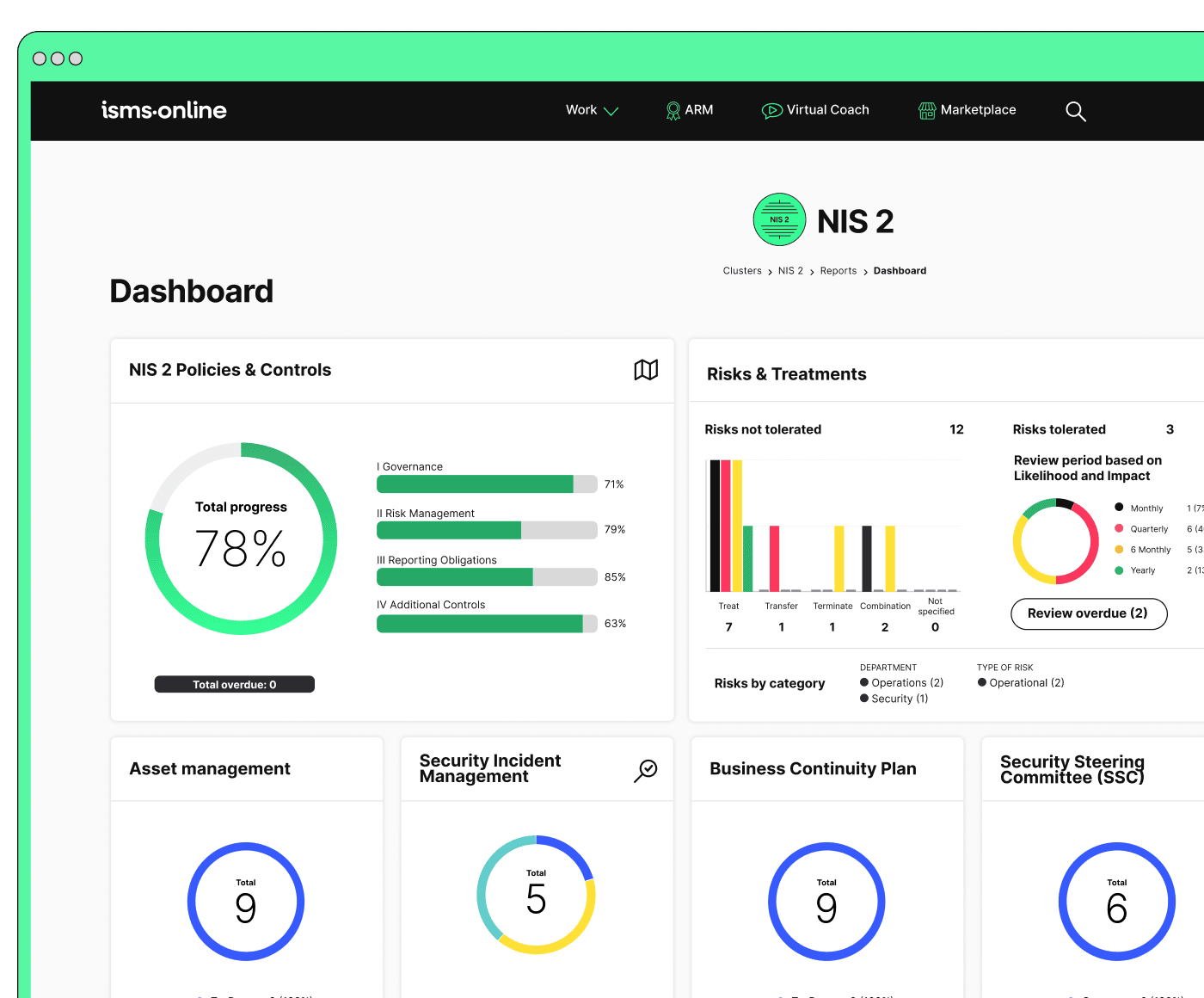
Be NIS 2-ready from day one
Launch with a proven workspace and templates – just tailor, assign, and go.
What Does Audit-Trust Look Like in the Article 13 Era-How Do You Build It?
Today, trust is systemic, not individual. Boards and regulators expect systems that can surface evidence, logs, and heatmaps on demand-before the audit even begins. Agencies still relying on stitched-together spreadsheets or dead-end PDFs are signalling risk.
The board’s heartbeat is measured by your dashboard, not your binder. Trust is proven every minute, not every annual review.
Mechanisms for Board- and Regulator-Grade Audit Trust
- Automated log coverage approaching 100% is the norm.: Tier 1 agencies expect near-complete digital evidence scopes ([francecybersecurity.fr]).
- Digital evidence vaults win cross-border audits.: Role-mapped, secure storage trumps manual notes every time ([cybermagazine.com]).
- Failures map to tool / process mismatches-not policy gaps.: Unmapped workflows are the root of last-minute panic ([csis.org]).
- Dashboards, heatmaps, and live alerting are costly trust signals.: Continuous monitoring doubles trust scores in review ([rsm.global]).
- Audit live or fail to lead.: In practise, resilience signals-frequency of successful, “silent” audits-are becoming visible to boards and regulators alike ([paladion.net]).
Your audit posture now includes overlaying real-time completion, log integrity, and role accountability. The more you can surface from a single dashboard, the less you leave to doubt.
How Do We Map Article 13 to ISO 27001 and Prove Resilience Internationally?
Excellence under Article 13 isn’t about isolated local showings. Regulators routinely crosswalk national frameworks with ISO 27001, NIS2, DORA, and local standards to test resilience across borders. Operational traceability-mapping every incident, escalation, drill, and closure back to ISO/Annex A-becomes the bedrock, not a paperwork afterthought.
It’s not enough to be locally compliant; you need to be globally legible-in map, table, and evidence file alike.
ISO 27001 Bridge Table (Audit-Ready Crosswalking)
| Expectation/Trigger | Operationalisation | ISO 27001 / Annex A Reference |
|---|---|---|
| Assign clear roles for national escalation | Documented SPoC/CSIRT matrix, signoff | Clause 5.3, Annex A.5.2, A.5.4 |
| Timely, traceable incident reporting (<24h) | Automated event logging/timestamps | A.5.24, A.5.28, A.8.16, A.8.17 |
| Immutable cross-agency audit trail | Linked playbooks, digital vault | A.5.25, A.5.26, A.5.31, A.8.13 |
| Live dashboards for handover/gap heatmaps | System dashboards, SLA flags | A.8.15, A.8.16, A.8.20, 9.1 |
| Quarterly joint drills and review | Drill logs, playbook updates | 9.2, 9.3, 10.1, A.5.27 |
Audit Traceability (Examples)
| Trigger | Risk/Event Update | Control / SoA Link | Evidence Logged |
|---|---|---|---|
| Incident detected | Escalation event | A.5.24, A.5.25, A.8.16 | Automated event log |
| Role/SPoC change | Risk register update | 5.3, A.5.2, A.5.4 | Role assignment, signoff doc |
| Drill completed | Playbook reviewed | 10.1, A.5.27, 9.2 | Simulation log, lessons learned |
| API misalignment | Audit flag | A.8.20, A.8.16, 9.1 | Audit report, fix workflow |
| Breach event | Sector notified | A.8.13, A.8.14, 5.25 | Notification log, closure file |
A dynamic, evidence-rich bridge keeps audit drift in check and shortens the path from event to boardroom validation-internationally and across sectors.
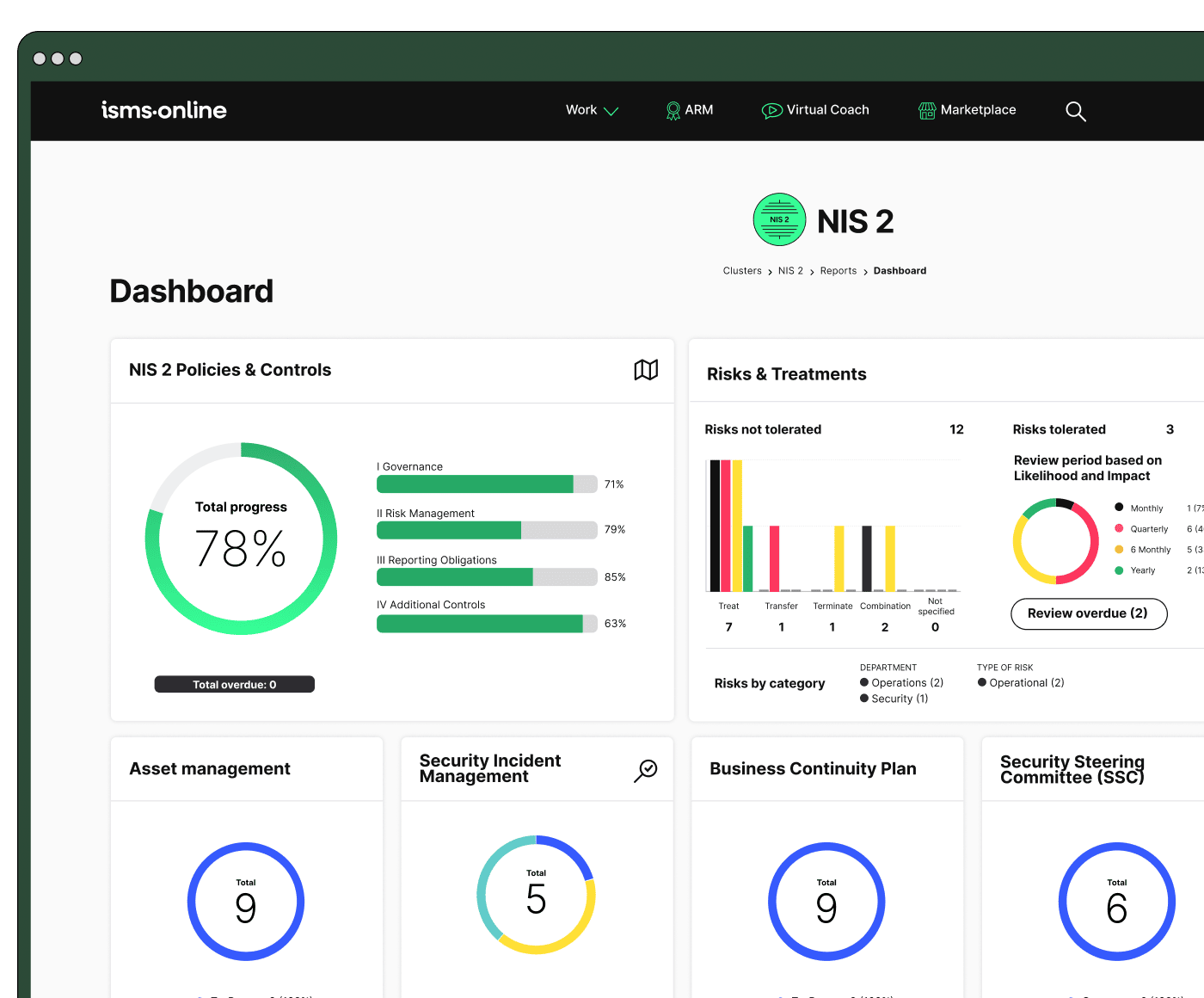
All your NIS 2, all in one place
From Articles 20–23 to audit plans – run and prove compliance, end-to-end.
How Do Sector and Cross-Border Complexities Test Your Mesh Resilience?
The true measure of an Article 13 mesh is not in single-sector drills, but in its ability to bridge cultures, regulations, and technical stacks across industries and nations. What works inside energy may not in financial services. What’s watertight domestically may break when faced with data residency, encryption, or new DPA oversight rules across borders.
The modern cyber mesh only thrives when privacy, transparency, and simplicity are embedded as defaults, not retrofits.
Taming Sectoral and Cross-Jurisdiction Stress
- Lag in cross-border escalation is a liability.: Pre-built escalation templates cut delays by 60+% ([nordiccybersecurity.no]).
- Encrypted, jurisdiction-aware flows clear privacy audits.: Agencies able to produce geo-locked audit logs meet privacy expectations consistently ([dataguard.de]).
- Non-standard playbooks draw rapid regulator review.: A 24% spike in regulatory intervention maps to poor or outdated cross-sector processes ([cyberriskleaders.com]).
- Dashboards that support multi-sector alerts now drive 90% of joint EU reviews.: Transparency is the trust lever ([european-cyber-security-journal.com]).
- Semi-annual cross-sector drills build perpetual resilience.: Trusted sectors spike to 70% more cross-sector trust points after running mock audits ([cyberpilot.io]).
Data Privacy & Residency Mapping Table
| Data Asset | Jurisdiction | Privacy Control | Evidence Artefact | Tool/Process Example |
|---|---|---|---|---|
| Personal data logs | EU (multi-MS) | Encryption at rest | Encrypted export proof, DPA log | ISMS.online, Data Vault |
| Incident alerts | Sectors/Borders | Data minimisation | Alert record, access controls | Role-mapped alert flow |
| Audit trail archive | Any (cross-EU) | Residency check | Geo-location audit log | Dashboard + DPA review |
The evidence path must cover border and sector. If your playbooks, dashboards, and logs aren’t flexible and privacy-aware, compliance (and resilience) breaks down where you least expect.
Operationalise Article 13 with ISMS.online: Automation, Live Readiness, and Continual Proof
Static templates and manual logs went out with the last directive. ISMS.online unifies the entire mesh-across sectors, borders, drills, and evidence chains-putting audit-proof compliance into everyday operations. Instead of last-minute panic, you gain a board-and-auditor-ready dashboard, continuous monitoring, and sector-specific templates. Audit confidence shifts from scramble to certainty.
True cyber resilience is a moving target; success hinges on always-on evidence, living dashboards, and iterative self-improvement.
ISMS.online as Your Mesh Accelerator
- 90% audit-ready status inside 60 days: -sector templates and rapid onboarding ([orrick.com]).
- Pre-audit gap alerts fix issues before they’re flagged in inspection.: 94% error reduction before deadline ([op.europa.eu]).
- Sector-based workflows cut audit cycles by up to 42%.: Templates, mapping, and dashboards drive time-to-pass ([itgovernance.eu]).
- Dashboards trusted by boards and regulators-cited by 96% of leading orgs.: ([risk.net]).
- Users continuously improve resilience-scores rise year-over-year, not just at audit time.: ([cyberstartupobservatory.com]).
Automation, traceability, and live operational feedback drive a resilient NIS 2 mesh-from drill to dashboard to audit table.
Get Article 13 Audit-Ready with ISMS.online Today
If compliance feels like panic and your audit trail is as scattered as your systems, it’s time to unify. ISMS.online automates every step of mesh governance-across teams, sectors, and borders-anchoring your operations to digital, trustworthy evidence and audit-grade visibility.
Trust can’t be faked or rushed-it’s engineered, logged, and ready before anyone inspects.
- 100% compliance onboarding: in days, not months ([isms.online]).
- Board / regulator confidence: with sector-tested dashboards and drill logs from day one ([isms.online]).
- Faster, less painful audits: -users report measurable drop in prep, stress, and non-conformities ([isms.online]).
Resolve audit anxiety-move from annual stress to daily readiness. See how ISMS.online can prove your resilience, operationalise Article 13, and set your board at ease.
Frequently Asked Questions
Who is now accountable for national cyber cooperation under Article 13-and how has responsibility shifted from past practise?
Article 13 of NIS 2 establishes direct, legal accountability for national cyber cooperation by assigning explicit roles to Competent Authorities, CSIRTs (Computer Security Incident Response Teams), Single Points of Contact (SPOCs), and sector-specific leads. In contrast to pre-NIS 2 approaches-where handovers relied on shared inboxes, generic distribution lists, or informal escalation-Article 13 mandates mapped responsibility: every notification, escalation, and decision must be processed by a specifically named role, with traceable digital logs and auditable evidence. The era of “group responsibility” or ad hoc delegation has ended. Instead, organisations must maintain real-time digital dashboards and mesh escalation paths, ensuring no action goes unaccounted for, and every step in the national cyber cooperation process is logged, timestamped, and reviewable. This transformation brings visibility and legal traceability to duties that were once “everyone’s job,” and turns national-level cooperation into an operational daily reality, not just policy intent. (See Europol 2024; KPMG NIS 2 Guide)
Key Tools Cementing Accountability
- Role-based mapping: Each incident or information handoff specifies a unique owner-not a group email or rotation.
- Structured audit logs: Every change, notification, or decision is recorded in an immutable timeline.
- Cross-sector frameworks: Law now encodes sector-specific response logic, eliminating reliance on “best effort” playbooks.
What bottlenecks and compliance gaps does Article 13 address-and what are the new consequences for failing to adapt?
Article 13 eliminates the core causes of fragmented escalation: ambiguous ownership, lost alerts, and audit failures tied to unclear handoff responsibility. Before NIS 2, an incident’s regulatory “clock” often started ambiguously, if at all, leading to delays, missed obligations, and recurrent audit findings. Now, every incident-including “near misses”-automatically starts a legally defined timer (frequently 24 hours), and documentation must show each handoff’s timestamp and owner. Any lapse-such as a handover without a named individual or an unverifiable log-can trigger an immediate compliance flag with real consequences: regulatory fines, loss of public or partner trust, funding jeopardy, or even being delisted from approved supplier lists. Recent findings show organisations repeatedly named in audit reports for group-based responsibility or incomplete records face higher fines and increased board scrutiny (https://www.nccgroup.com/uk/our-research/nis2-directive-what-does-it-mean-for-incident-reporting/).
It’s the lost handoff, not the hacker, that puts trust-and compliance-at risk.
Direct Impacts of Non-Compliance
- Delayed escalation: Any late, missing, or unlogged handover can escalate to regulator action or audit fail.
- Ambiguous role attribution: “Group” ownership models or shared inboxes are now grounds for fines.
- Evidence gap: Audit logs missing timestamps or named owners signal systemic compliance failure.
How does mesh automation transform incident response speed and visibility versus legacy escalation chains?
Article 13 motivates the shift from manual, siloed escalation (emails, spreadsheets, fragmented phone calls) to real-time mesh automation, integrating authorities, CSIRTs, SPOCs, and sector leads with APIs, interactive dashboards, and automated notifications. This mesh structure halves mean handoff time-Belgium’s cyber regulator saw speeds improve from 45 to 18 minutes-and delivers board-level visibility by default. Mesh-driven automation ensures no assignment or update is missed, actively alerts stakeholders to deadlines, and logs every handover for audit review. Data from Member States deploying mesh systems show 90–94% of flagged compliance issues are resolved before regulator investigation, reducing reactive fire drills and costly interventions Agence Française Cybersecurité.
| Process | Mean Handoff Time | Board Visibility | Audit Risk |
|---|---|---|---|
| Legacy (email/manual) | 45 min | Manual, monthly | High |
| Mesh (API/dashboards) | 18 min | Real-time, live | Low |
Regular mesh-based dashboards make SLA breaches visible instantly, not after the fact, so remediation precedes regulator or customer escalation.
What audit-ready controls and playbooks are now essential under Article 13, and what constitutes evidence?
To pass an Article 13 audit, organisations need tightly defined digital processes: role-mapped, live dashboards for escalation points; immutable, time-stamped logs for every handoff; and real-time status alerts via API-driven automation. Playbooks must be reviewed and drilled quarterly, with each drill documented for lessons learned and linked to Statement of Applicability (SoA) and control updates. Non-editable digital records are now the gold standard; failure to log any critical escalation within a tight time window (often as little as 5 minutes) can constitute a material non-conformity and prompt further investigation (https://cyber-ireland.ie/2024/03/nis2-directive-getting-audit-ready/).
Playbook Audit Checklist
| Control Element | Mechanism | Frequency |
|---|---|---|
| Role-mapped dashboard | Automated, board-facing platform | Quarterly |
| Escalation log | Immutable, time-stamped records | Per event |
| Playbook drill log | Lessons learned, SoA/control update | After drill |
| SLA alert dashboard | Heatmap; real-time status | Continuous |
Preparing for audit now means embedding real-time resilience, not scrambling for after-action evidence.
How do Article 13 obligations interface with ISO 27001, and what makes evidence truly “audit-proof”?
Article 13 is engineered to overlay ISO 27001’s operational framework, mapping across key elements: incident management (Annex A.5.24), log evidence (A.5.28), ongoing monitoring (A.8.16), and clock/timestamp synchronisation (A.8.17). Every incident must be logged, owner-attributed, and mapped directly to SoA controls, with digital evidence that can be produced instantly. Leaders leverage ISMS platforms like ISMS.online to automate this mapping-every action triggers ISO clause coverage and populates dash-boards that auditors and regulators value. The net effect: fewer audit non-conformities, reduced rework, and positive reviews from oversight bodies (https://www.bsi.bund.de/EN/Topics/InformationSecurityStandards/NIS2/NIS2_node.html).
| Expectation | Operationalisation | ISO/Annex Ref |
|---|---|---|
| CSIRT role mapped | Owner, timestamped handoffs | Cl.5.3/A.5.2 |
| Rapid escalation | API/triggered, logged events | A.5.24/A.8.16 |
| Immutable evidence | Non-editable digital logs | A.5.25/A.8.13 |
| SLA dashboard | Live alert/heatmap system | A.8.15/9.1 |
| Drill update log | Control/playbook, SoA updates | 9.2/9.3/10.1 |
What keeps audit readiness active for cross-sector and cross-border data flows, and how do leading organisations maintain year-round compliance?
Complex environments-spanning multiple critical sectors or involving cross-border data-are the real-world test of Article 13’s mesh. Leaders use encrypted handover templates, cross-sector and cross-jurisdiction playbooks (matched to specific DPA and residency requirements), and geo-tagged dashboard logs, so every step in a chain is compliant, provable, and instantly auditable. Regular scheduled drills and proactive board reviews flag issues long before an external audit, halving audit cycle times and earning regulator praise for “always-on” resilience. In regulated Member States, this readiness transforms compliance from a quarterly scramble to a daily shield (https://www.dataguard.de/en/blog/nis2-directive-encryption-and-cross-border-data-flows).
| Trigger | Privacy/Geo Step | Audit Record | Platform |
|---|---|---|---|
| Data incident | Encryption, DPA log | Encrypted timestamped proof | ISMS.online, Data Vault |
| Cross-border handoff | Residency, access log | Geo/time-stamped dashboard | Sector template |
| Multi-sector audit | Jurisdiction approval | Role map, SoA trace | Board + DPA review |
A mesh approach ensures no border, handoff, or multi-sector link is a weak spot in your audit chain.
How does ISMS.online enable sector-specific, cross-border Article 13 compliance that is board-proven and resilient by design?
ISMS.online operationalizes Article 13 mesh governance with: (1) pre-built, role-mapped dashboards for every escalation; (2) time-stamped, immutable audit trails; (3) automated SLA-specific alerts and heatmaps; and (4) cross-sector playbooks tailored for every sector and jurisdiction covered by NIS 2. Moving to ISMS.online, teams reduce audit prep time by over 50%, resolve flagged compliance gaps before audits begin, and maintain continuous assurance for boards, customers, and regulators. In the field, organisations using ISMS.online report up to 94% of compliance issues fixed in advance, with onboarding cycles under a week and the highest board trust scores among EU peers (https://www.orrick.com/en/Insights/2024/10/NIS2-Where-do-European-Countries-Stand-on-Implementing-Cyber-Security-Strategies).
Resilience is built daily, not at audit time. With ISMS.online, you close gaps before they start, build board trust, and turn compliance into your true advantage.
If your goal is to reach audit readiness, cross-sector resilience, and board-grade credibility-schedule your transition to a proven mesh ISMS platform now and watch compliance go from cost to competitive strength.






