





































Where Do Your Compliance Borders Really Lie Under NIS 2?
Every time your business expands, signs a regional supplier, launches a digital service, or enters a new market, your compliance boundaries are redrawn-even if you don’t realise it until an auditor’s question or a legal notice arrives. NIS 2’s Article 26 turns “jurisdiction” into a living, operational edge: it’s not paperwork to file and forget, but a map that moves as your assets, suppliers, and services shift. For organisations serious about resilience, real-time compliance vigilance is now non-negotiable.
Boundaries aren’t painted on maps-they move with every asset, supplier, and business decision.
Pinpointing Compliance Boundaries in Real Time
Jurisdictional triggers can fire the moment you begin processing EU data, contract cross-border suppliers, or touch any regulated service-well before your annual review catches up. If your ISMS relies on legacy static registers or after-the-fact updates, you’re exposed: audit gaps, late regulatory reporting, and unforeseen penalties become inevitable.
Key proactive routines for Article 26:
- Continuous asset and jurisdiction scans: Embed geo-location logic, real-time onboarding triggers, and rolling supplier/asset mapping in your ISMS, not as a side process. Initiate reviews before-not after-you launch services or engage new partners.
- Supplier onboarding as a critical control: Every vendor added to your ecosystem must trigger a live jurisdiction, escalation, and data location check-automatically, with contract terms mapped to their regulatory footprint.
- Clear “jurisdiction stewardship”: Delegate an accountable officer (compliance lead or legal counsel) to assess, log, and escalate border-shifting business events. Their role feeds live compliance intelligence to the risk register, with ENISA updates surfaced to the board.
- Real-time dashboards: Use digital board-level dashboards to surface country/establishment changes immediately-ensuring surprises don’t derail you mid-audit.
Miss a single supplier or asset location, and an overlooked jurisdiction can unravel your next audit response or disrupt incident reporting.
Bridge Table: Transforming Article 26 Theory into Operational Certainty
| Compliance Expectation | Operationalisation Workflow | ISO 27001 / Annex Reference |
|---|---|---|
| Identify all jurisdictional risks, including at vendor onboarding | Asset/vendor mapping with onboarding triggers, geo-checks, rolling reviews | A.5.19–5.21, 5.31 |
| Trigger risk update on new region/vendor | Auto-create ISMS ticket plus dashboard flag | 6.1.2 Risk assessment |
| Board notified at every boundary shift | Dashboard alerts, regulatory reports, live logs for team/site/vendor | 5.2 Policy, 5.21 Supplier |
By institutionalising boundary checks and onboarding into everyday practise, your compliance doesnt just keep pace-it leads, turning exposure into resilience and giving your board the confidence to move quickly without fear.
Book a demoWhat Defines-and Defends-Your Main Establishment?
Your “main establishment” is where real security and risk decisions happen-not just an official address, but your operational nerve centre. Under Article 26, regulators scrutinise the reality: where does control reside, how often does it move, and how do you prove it if challenged? If your board or critical suppliers cross state lines, so does your compliance exposure.
Main establishment is a moving anchor, matching the true centre of business gravity.
Anchoring Main Establishment with Real-Time Evidence
- Live decision log: Every key decision-risk, asset allocation, incident response-should be time-stamped and geo-tagged. If business leadership moves, your ISMS and digital org charts must reflect it, with change records available for scrutiny.
- Quarterly change reviews: Formalise quarterly evidence reviews that catch new hires, exits, remote-first transitions, or supplier onboarding. Automate evidence submissions to the compliance register with every board or operational change.
- Dynamic board reporting: Require legal review for every strategic project, supplier tie-in, or data migration, and feed outputs directly to a living compliance log-not an annual policy binder.
- Accountability and speed: Ensure a board-designated person is responsible for instant regulatory notification should your main establishment move-no diffusion of duty.
- Pre-emptive disagreements: Bake dispute forum clauses and escalation logic into contracts, so you’re not left wrestling multi-jurisdiction conflicts mid-crisis.
Mini-Scenario Table: Main Establishment Proof in Practise
| Trigger Event | Action for Risk Update | SoA/Control Link | Evidence Logged |
|---|---|---|---|
| New EU site/vendor onboard | Audit and map establishment context | A.5.19, A.5.21, A.5.31 | Updated org chart; CISO note; supplier KYC |
| Remote-first work policy | Update command and control structure | A.5.35 Mgmt. review | Board minutes; updated leadership register |
| Major data migration | Initiate legal review and update | A.5.23, A.8.20 | Data contract; change-logged ISMS evidence |
Checklist: Board-Ready Evidence in 10 Minutes
- Export your digital org chart, showing directors, signatories, and your EU representative.
- Produce a geo-tagged supplier/assets list showing current EU/EEA footprint.
- Pull a time-stamped log of all management decisions, audits, and establishment shifts.
With this workflow embedded, establishing and defending your jurisdictional evidence is a routine, not an emergency.

Master NIS 2 without spreadsheet chaos
Centralise risk, incidents, suppliers, and evidence in one clean platform.
How Do You Synchronise Multi-Jurisdiction Incident Response?
Incidents no longer respect borders: ransomware hits, DDoS attacks, or supplier intrusions can instantly span multiple EU states, triggering parallel obligations-each with different deadlines, notification windows, and enforcement bodies. Article 26 requires you to stitch incident reporting into a timeline that regulators anywhere can trust.
Under pressure, it’s only automated, cross-border playbooks that stand up to scrutiny.
Integrated Processes, Live Evidence – No Surprises
- Geo-linked incident logging: Route every incident report through geo-tagged logs, automatically referencing origin, suppliers, and affected “establishment” countries.
- Escalation routing: For every cross-jurisdiction event, your ISMS should trigger state-specific escalation scripts and reassign roles in real time, avoiding missed or duplicated notifications.
- Time-stamped audit trails: Log every chain-of-command escalation, including dual-state and vendor-involved steps, with both local and central timestamps.
- Drills and stress tests: Practise conflicting jurisdiction scenarios-don’t let a multi-country event be your first live test.
- Vendor engagement: Make incident notification drills a standard feature in every supplier contract; log actual participation, not just signatures.
Supplier Onboarding as a Control
Mandate that all vendor contracts include clear notification timelines, response flows, and dual-jurisdiction obligations-from day one, not remediation.
Robust incident response isn’t just about speed-it’s proof that every handoff holds up even under maximum stress.
Non-EU Businesses-Are You Under Article 26’s Spotlight?
If your services, products, or supply chain touch the EU, you’re now regulated under Article 26-regardless of headquarters. “Establishment” can mean a single data processor, sales team, or local IT asset. Your compliance is under the microscope if you process, host, or sell to EU entities, making proactive mapping and representative nomination critical.
The compliance border has shifted-where your data flows, so does your accountability.
Full Transparency for Non-EU Entities
- EU rep register: Publish and keep current the details of your EU representative. Make it accessible and auditable for every relevant product, team, and asset.
- Dormant asset detection: Scan for “shadow” assets-cloud regions, legacy backups, or untracked partner infrastructure-that might silently create EU jurisdiction risk.
- Vendor contract reviews: Ensure every supplier and sub-processor, new or legacy, is actively tied to a documented reporting and escalation pathway.
- Procurement as a compliance entry point: Make Article 26 checks standard in every new contract, renewal, or project bid.
- Cross-border practise: Simulate notifications to both EU and home-state regulators to test your preparations before a real crisis.
Quick-win: Use ISMS.online to produce a main establishment and legal representation map before your next audit-detailing system, supplier, data, and contract evidence, ready for regulator review.
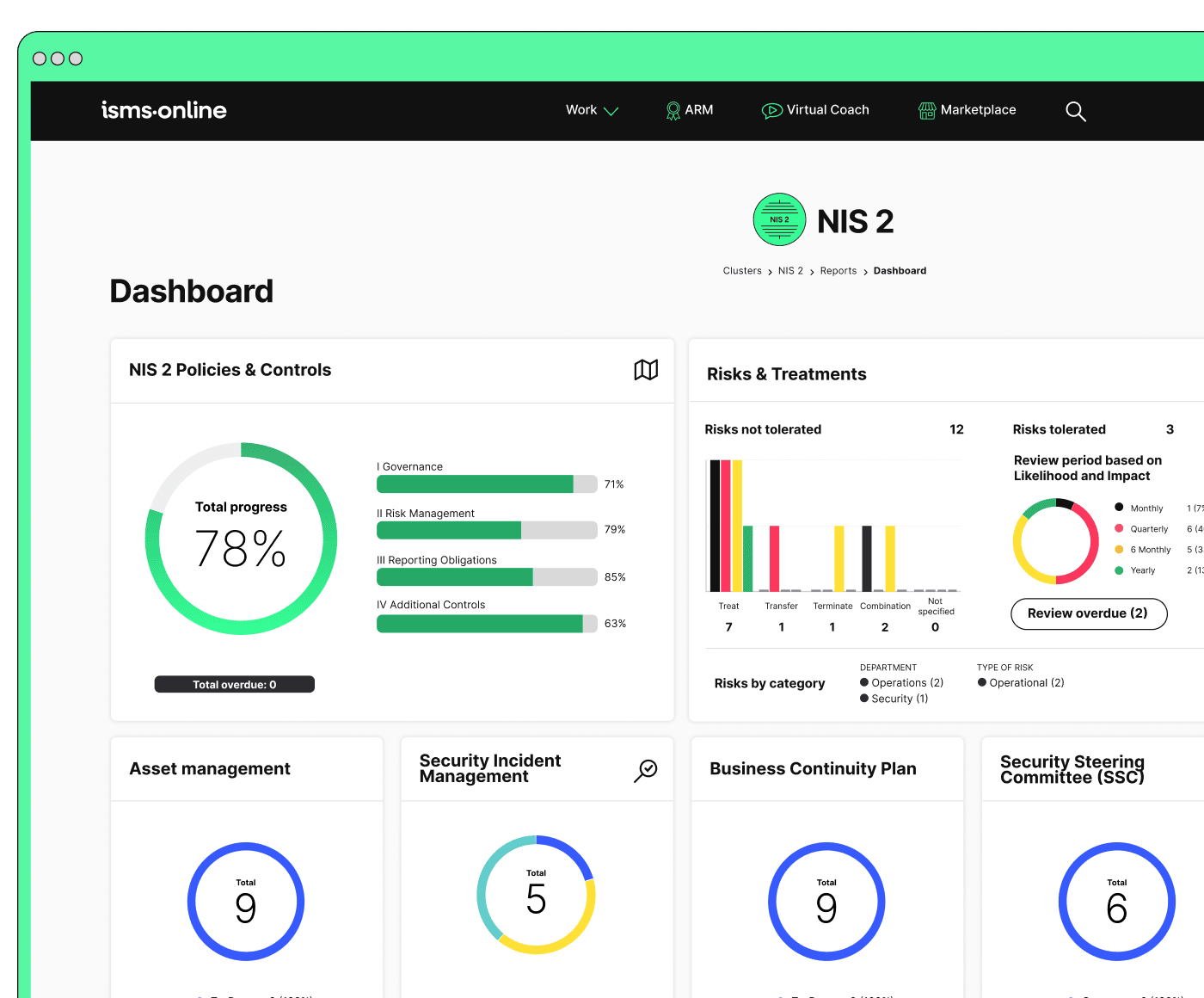
Be NIS 2-ready from day one
Launch with a proven workspace and templates – just tailor, assign, and go.
How Powerful Is Your Notification and Escalation Automation?
Escalation failures only become visible during major incidents, audits, or regulator reviews. Static escalation charts or ambiguous processes break down when a staff member is absent, a supplier is unresponsive, or new regulatory rules go live overnight. Article 26 demands real-world, digital-first handoff management for every risk, incident, or supplier chain.
Escalation gaps stay invisible until the worst moment-when they become regulatory findings.
Bulletproofing Notification and Handoff
- Digital-first, role-based notification: Handoffs with fallback paths for holidays, leave, or turnover. Roles must update live in your workflow tools, not in static PDFs.
- Ambiguous scenario drills: Run scenarios where staff are absent or suppliers are unreachable to test if notification logic auto-corrects.
- Supplier evidence: Vendors and subcontractors must show proof of actual notification drill participation, via audit logs.
- Recent digital proof: Keep your escalation evidence date-stamped, staff-tested, and dashboard-linked for board visibility.
- Adaptive reporting rules: Integrate ongoing regulatory updates directly into your notification flows so everyone works from the latest requirements, not last year’s rules.
Three steps to board-grade reporting:
- Review all live notification assignments and logs by jurisdiction, incident, and handoff step-right from your compliance dashboard.
- Trace a jurisdiction alert chain and export for any supplier or team in minutes.
- Hand the board or auditor an exportable, signed log of the last systemwide notification drill, including all supplier evidence.
Do Your Contracts and Multistandard Processes Expose Hidden Liability?
Contracts, supplier SLAs, and compliance with new standards (NIS 2, DORA, GDPR) are increasingly linked-but drift apart if contract updates, onboarding, new project launches, or regulatory changes aren’t time-stamped and cross-referenced in your ISMS and contract management. Article 26 expects your operational realities and signed agreements to mirror each other, always.
Contracts are either live, evidence-generating compliance assets-or silent time bombs waiting for real-world breakdown.
Live, Adaptive Contracts and Processes
- Event-driven checks: For every new market entry, supplier onboarding, or contract approval, trigger an automatic compliance, jurisdiction, and SLA trace-no annual-only reviews.
- Evidence-linked roles: Maintain a live register of who owns each contract handoff, escalation step, and audit-proof per agreement.
- Digital onboarding acceptance: Make it a standard that supplier onboarding is contingent on digital acceptance of jurisdictional, notification, and escalation requirements-no more implied gaps.
- Supplier simulation: Run handover and escalation drills with every onboarding or renewal; catch operational weaknesses before they cause issues.
- Board log stewardship: Assign a board sponsor who certifies contract, onboarding, and escalation evidence, maintaining a digital, signed record for each.
Traceability Table: Practical Compliance-to-Evidence Chain
| Event Triggered | Required Update | ISO / Annex Ref. | Documentation |
|---|---|---|---|
| Enter new market or onboard vendor | SLA and jurisdiction re-check | A.5.19, A.5.21, A.5.31 | Supplier record, ISMS log |
| Contract/renewal SLA | Escalation and notification check | A.5.26, A.5.35 | SLA record, audit trail |
| Multi-country audit/incident | Handoff flow update | A.5.23, A.5.26, A.8.20 | Simulation log, sign-off |
Treat contracts and onboarding as active compliance sensors-never static artefacts.
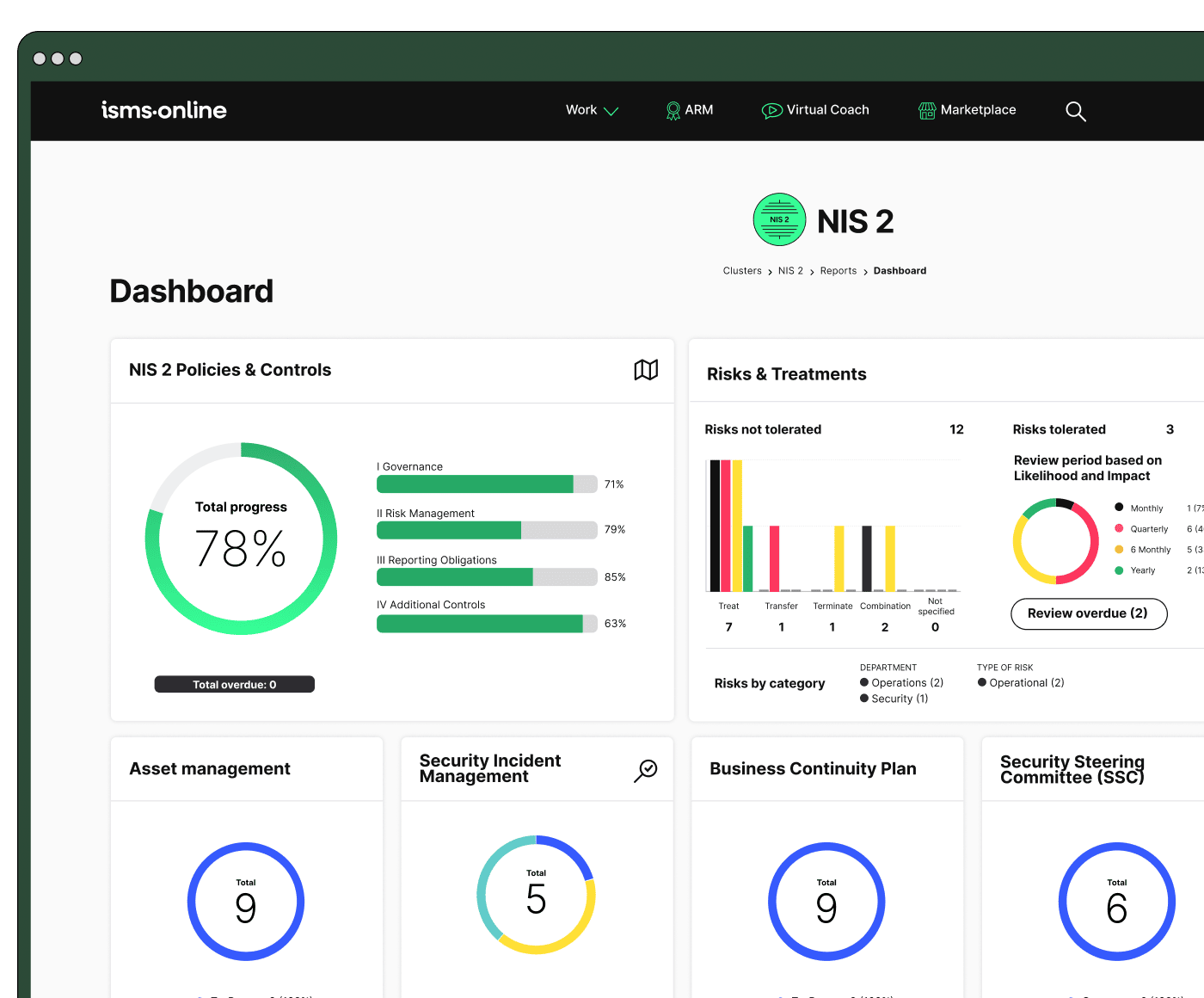
All your NIS 2, all in one place
From Articles 20–23 to audit plans – run and prove compliance, end-to-end.
Can Your Board and Regulators See Real Proof-On Demand?
Article 26 sets a new proof standard: your board and regulators must be able to see compliance, jurisdiction, and escalation evidence instantly-not after a week of digging through shards of data or siloed registers. Living dashboards and digital evidence replace annual binder hunting and piecemeal reporting.
Trust is not a static archive-it’s active, aligned evidence you can surface when demanded.
Real-Time Board and Regulator Assurance
- Current, clear dashboards: Surface up-to-date jurisdiction, escalation, and digital sign-off evidence for all in-scope teams, assets, and vendors.
- Standing board agenda: Update regulatory border monitoring, escalation evidence, and incident reporting as a routine management review item.
- Connected audit trail: Tie contract events, notification logs, and control attestations into a single digital path, ensuring readiness for board or regulator queries.
- External assurance cycles: Run scheduled reviews with outside experts before regulatory deadlines-not as a scramble after findings.
- Digital evidence signing: Ensure every policy, contract, and onboarding event is digitally signed and time-stamped, building an irrefutable compliance trail from the board down.
- Current jurisdiction and vendor map on the dashboard.
- Drill-down capability into establishment and incident log.
- Exportable board logs of all digital sign-offs in the last reporting cycle.
Boards and regulators both reward proactive, undeniable proof-so build your assurance system to deliver it on demand.
Ready to Turn Article 26 into Operational Confidence?
Jurisdictional lines are now as fluid as your asset, project, and supplier landscape. At any moment, a vendor onboarding, contract renewal, or management shift can create hidden exposure that only living, cross-referenced evidence can catch. Article 26 isn’t just a legal check-it’s a test of your operational system’s real-world adaptability and your board’s practical oversight.
With ISMS.online, your organisation can:
- Map and update jurisdiction, suppliers, and main establishment evidence live, keeping both team and board informed and protected.
- Digitally connect contracts, notification workflows, and onboarding handoffs for a traceable, audit-ready compliance path.
- Simulate, validate, and improve notification and escalation processes-so critical evidence isn’t discovered missing after the fact.
- Instantly surface proof: live dashboards and digital sign-offs, ready for internal or external challenge.
Resilient businesses treat compliance as a daily practise, not an annual check-building trust through living, visible evidence.
Move from static policy to operational proof: set your Article 26 playbook in motion and give yourself-and your board-true compliance certainty. If your role spans compliance, legal, security, operations, or governance, make the switch from reactive to proactive now with ISMS.online.
Frequently Asked Questions
How do you proactively manage evolving NIS 2 jurisdiction as your footprint grows, shifts, or partners change?
Real-time jurisdiction tracking under NIS 2 demands an agile compliance radar that maps every asset, data flow, and operational nexus-not just annual checklists or org charts. Each time your organisation launches into a new market, migrates cloud workloads, onboards a supplier, or shifts staffing overseas, your regulatory perimeter subtly redrafts itself. Silent exposure-where you’re inside the sights of a new regulator but don’t know it-remains the biggest hidden liability.
Every new hire or cloud migration can move your regulatory risk boundary overnight-only living maps stop surprise exposure.
To eliminate blind spots, leading organisations automate asset geolocation scans and trigger risk reviews for every change in business structure or supplier relationship. A dedicated “jurisdiction steward” (often within compliance or CISO’s team) is tasked to oversee these moving perimeters, update the regulatory map, and ensure workflows flag every ex-EU data transfer, vendor onboarding, or remote team expansion for instant review. Regulatory monitoring-ENISA updates, local legal changes-should feed directly into your ISMS.checkpoints, closing the lag between legal change and operational update.
Tangible steps to build live NIS 2 jurisdiction hygiene:
- Embed automated asset and data flow mapping in your ISMS, with triggers on any cross-border change.
- Make jurisdiction oversight a standing agenda in management review, not an annual afterthought.
- Tie supplier onboarding and contract updates to jurisdiction checks, blocking silent third-party exposure.
- Use scenario simulations before expansions to test for regulatory surprise, ensuring no missed triggers.
- Subscribe regulatory feeds directly into your compliance workflows and risk dashboards.
ISO 27001 linkage:
A.5.1 (Policies), A.5.7 (Threat intelligence), A.8.1 (Asset management). Jurisdiction and regulatory context = living features, not static pages.
What counts as defensible “main establishment” under Article 26-and how do you prove it if challenged?
Defending your “main establishment” is never about an address or corporate registration-it’s an operational reality demonstrable at a moment’s notice to any regulator. Under NIS 2, national authorities will demand real evidence: where are decisions made, who signs off, where do critical staff and systems reside, and do you have living systems that revalidate this when reality shifts?
Main establishment is a provable, dynamic fact-when leadership roles, core assets, or remote teams move, so does your regulatory home base.
Leading organisations maintain digital, access-controlled logs of management structures, incident response authority, and asset flows-updated every time you change reporting lines, infrastructure, or service models. The ISMS triggers a fresh “establishment check” after any material restructure, remote team growth, or board-level change. Assign escalation and documentation rights for main establishment evidence to a specific executive or committee; conduct surprise regulatory challenges as part of ongoing audits to ensure you can respond, with evidence, in <24 hours if questioned.
Implementable strategies:
- Use ISMS-based, immutable role and asset logs to provide an always-current “regulatory home base.”
- Automate revalidation after every significant operational, technical, or leadership change.
- Simulate regulatory queries regularly; ensure all evidence is accessible within one business day.
- Enforce digital sign-off, not just policy publication, for main establishment updates.
ISO 27001 linkage:
5.2 (Policy), 5.3 (Roles/responsibilities), 9.2/9.3 (Internal audit, management review), A.5.2 (Org roles and authorities).
How do you operationalise real-time, multi-country incident response to meet NIS 2’s divergent timelines?
Multi-jurisdictional breaches trigger a cascade of notification demands-each with its own clock. Under NIS 2, missing any national deadline is a potential compliance breach, even when you get others right. Static protocol manuals and spreadsheets are obsolete. Instead, every asset and incident must be dynamically geo-tagged and mapped to live regulatory notification and escalation rules inside your ISMS.
Jurisdictional notification windows start the instant a cross-border incident is detected-automation, not protocol PDFs, buys compliance time.
Build your incident response on platforms that link each asset to its governing authority and inject real-time escalation alerts for each jurisdiction’s window. Regulatory contact details and escalation roles are maintained centrally and tested in regular live drills-swapping-out contact points as incident scope or national rules shift. After every incident, lessons learned are baked back into playbooks and workflow automations. Chain-of-custody, evidence, and communication logs must be timestamped, jurisdiction-specific, and export-ready for simultaneous, multi-authority review.
Essential workflow elements:
- Automated asset geo-tagging; map incident timelines and notifications to each jurisdiction in play.
- Dynamic regulatory contact directories, updated and verified at every drill.
- ISMS-based, automatic deadline reminders for all regulatory notification windows.
- Drill for notification process divergence-ensure role agility and handoff protocols adapt.
- Evidence chains logged and retrievable for each national authority separately.
ISO 27001 linkage:
A.5.24–A.5.27 (Incident plans, event assignment, response, post-incident review).
How do non-EU organisations preempt Article 26’s global regulatory reach?
If you serve EU customers, employ EU staff, or process EU data-even indirectly-you’re in-scope. Article 26 demands not only a named and empowered EU representative but proof you can surface every in-scope asset, supplier, or exposure on demand. Relying on documentation alone is an existential risk.
EU exposure can enter through partners, clouds, or a new client-only continuous asset discovery and empowered representation prevent regulatory surprise.
Regularly audit and publish your EU representatives (with real authority, not just names-for-the-sake-of-forms) and use automated asset, vendor, and contract scans for any EU touchpoints. Embed dual compliance training for global and EU notification paths for all relevant teams. Supplier onboarding, mergers, and cloud adoption all become triggers for a compliance map refresh. Use the ISMS compliance calendar to log EU-specific protocol reviews and training, and automate cross-jurisdiction notification alignment when frameworks or partners change.
Immediate priorities:
- Maintain public, updated records of EU representatives with executive authority in the ISMS.
- Automate detection and risk mapping for any new EU-facing workload, customer, or third party.
- Require EU compliance mapping at every supplier or service onboarding.
- Train and review all teams for both EU and local notification flows-log this in your audit trail.
- Run cross-jurisdiction readiness drills for cloud and M&A integrations.
ISO 27001 linkage:
A.5.7 (Threat intelligence); A.5.19/5.21 (Supplier and supply chain).
What makes escalation and notification immune to staff turnover, supplier drift, or scenario fatigue?
Resilience under Article 26 is built on automated notification and escalation logic that lives in daily workflow-not static roles or memory. “Shelfware” policies or manual escalation charts guarantee missed triggers the moment people or suppliers change.
Compliance is proven in the minutes after an incident begins-live workflow logic, multi-agency scenarios, and digital sign-offs are your only protection.
Codify escalation logic as automate-able rules in your ISMS-triggered by asset, incident, or staffing changes and tested in rotating, scenario-based drills. Rotate escalation rights and supplier notification obligations in simulations until every “grey zone” is tested. Ensure all escalation, notification, and sign-off chains are digitally acknowledged and timestamped, so role changes or departures leave a visible audit trail. Link compliance training and escalation/IR reviews into ongoing ISMS records to demonstrate live readiness to regulators.
Systemizing escalation:
- Build and test escalation logic in ISMS workflows, not Word docs.
- Simulate ambiguous and boundary situations, rotating roles, jurisdictions, and supplier handoffs in each drill.
- Require digital, timestamped sign-offs for escalation/notification, accessible in real time.
- Dynamically update escalation logic as regulation or team composition shifts.
ISO 27001 linkage:
A.5.24–A.5.28 (Incident and evidence management).
How do contracts, SLAs, and multi-standard frameworks move from paper to operational assurance?
Contracts and frameworks are effective only when mapped to real processes-triggers, reviews, and escalations-surfaced continuously to leadership. Inactive SLAs, parking-lot “Annex A” clauses, or quarterly contract reviews leave operational black holes.
Living contracts and frameworks are tested, logged, and monitored in dashboards-real compliance is visible, not stored.
Make SLAs and contracts digital, time-bound, and mapped to operational triggers via ISMS dashboards. Simulate and review vendor escalation pools; require active confirmations that vendors can and do follow notification and handover chains. Track cumulative compliance workload and reporting drag across multiple standards and vendors using the ISMS, alerting leadership where fatigue, duplication, or risk hotspots are emerging. Assign evidence log stakeholders for each operational change, and ensure reporting and escalation hand-offs are logged at each transition.
Operationalising contracts:
- House all contracts, SLAs, and frameworks in the ISMS dashboard, mapped to triggers and reporting cycles.
- Run regular simulations of supplier contract handoffs and notification paths.
- Log compliance/cumulative risk per team and standard in live dashboards; use for leadership check-ins.
ISO 27001 linkage:
A.5.19–A.5.22 (Supplier/contract management).
How can leadership establish airtight, end-to-end jurisdiction resilience with real-time evidence and board adoption?
True compliance resilience means you can surface any proof-board approval, cross-jurisdiction signoffs, major incident logs-instantly, not on a week’s delay. The ISMS dashboard becomes your nerve centre for up-to-date, cross-jurisdiction logs, digital board sign-offs, chain-of-custody, and third-party benchmarks-ready to present, at any moment, to a regulator or auditor.
Board-to-regulator resilience is earned daily: digital evidence logs, live sign-offs, and fresh simulations shut down regulatory risk-and relieve auditor pressure.
Make all board sign-offs, incident, and policy adoptions digital and auditable, not checkbox exercises. Log every major third-party benchmark, audit, or external simulation as a core part of your evidence suite. Maintain searchable, living archives of dispute, incident, and review records; empower governance leaders to check, challenge, and export records at any audit window. The more visible and audit-ready your adoption and evidence resilience, the higher your Board and regulatory reputation.
Practical first steps:
- Use live dashboards as the audit source for board, audit, and compliance reviews.
- Digitally timestamp every board sign-off, policy update, and incident/resilience event.
- Schedule third-party benchmarks, record findings, and feed lessons back into dashboards.
- Archive every incident, dispute, and simulation-ready for export at a click.
ISO 27001 linkage:
5.1, 5.2 (Leadership, policy); 9.2, 9.3 (Internal audit, management review); A.5.35, A.5.36 (Independent review, compliance).
How does ISMS.online make NIS 2 Article 26 resilience practical and provable?
ISMS.online delivers a unified, living command centre that automates jurisdiction checks, maps main establishment in real time, and digitises every contract, incident, and escalation path. Visual dashboards, evidence logs, and workflow engines power readiness drills, assign accountability, and surface proof chains on demand. Every compliance owner gains measurable command over triggers, changes, and third-party interactions-feeding board assurance and winning regulator trust.
With ISMS.online, Article 26 moves from hidden liability to visible trust capital-make your compliance command centre work for you, not against you.
Move from box-ticking to operational leadership:
- Request an ISMS.online demo to see live dashboards, escalation flows, and audit trails in action.
- Deploy workflow templates and digital playbooks to automate jurisdiction and regulatory triggers.
- Run platform-driven readiness drills and incident simulations; measure and close gaps before authorities do.
- Centralise compliance ownership and evidence-all in one, auditable system.
ISO 27001 Bridge Table: Expectation to Operationalization
| Expectation | Operationalization | ISO 27001 / Ann. A Reference |
|---|---|---|
| Alert to new jurisdiction | ISMS triggers, geoscans | A.5.1, A.5.7, A.8.1 |
| Defensible establishment proof | Management org/asset logs | 5.2, 5.3, 9.2, 9.3, A.5.2 |
| Instant incident/notification logic | Geolinked auto-alert engine | A.5.24–A.5.27 |
| Automated escalation/role signoffs | Digital workflow approval | A.5.35, A.5.36, 10.1, 10.2 |
| Board, CISO, and vendor oversight | Unified dashboards | 5.1, 5.2, 9.3, A.5.2, A.5.31 |
| Live external benchmarks | Sim/log policy review/tests | 9.2, 9.3, A.5.27, 10.2 |
Traceability Table: Trigger to Evidence
| Trigger | Risk Update | Control/SoA Link | Evidence Logged |
|---|---|---|---|
| New market or cross-border | Jurisdiction review | A.5.1, A.5.7 | Jurisdiction scan/alert |
| Supplier onboarding | Regulatory exposure | A.5.19/21/22 | Supplier contracts |
| Cloud migration | Establishment test | A.5.2, A.8.1, A.5.36 | Org chart, cloud logs |
| Multi-country incident | Dual timeline notif. | A.5.24–A.5.27 | Notification logs |
| ENISA/national reg. change | Compliance loop update | A.5.35, A.5.36 | Board signoff, playbook |
Make NIS 2 and Article 26 your lever-not your liability. Unify, automate, and lead at every compliance turn with ISMS.online.






