





































ISO 27001 A.8.27 Secure System Architecture and Engineering Principles Checklist
Implementing the control A.8.27 Secure System Architecture and Engineering Principles within the ISO 27001:2022 framework is critical for organisations aiming to ensure that their information systems are secure, resilient, and compliant. This control emphasises the need for security to be an integral part of the system design and engineering process from the very beginning. For a Chief Information Security Officer (CISO), overseeing this implementation presents several challenges, from balancing security with usability to ensuring continuous compliance with evolving regulations.
Scope of Annex A.8.27
A.8.27 Secure System Architecture and Engineering Principles is a control that ensures security is embedded into every phase of system development and engineering. This control mandates that systems be designed with security as a core principle, addressing potential vulnerabilities from the earliest stages of development and continuing throughout the entire system lifecycle.
For organisations, this means implementing security measures aligned with industry best practices, regulatory requirements, and specific organisational objectives. The goal is to create a resilient system architecture that can withstand various security threats while supporting the organisation’s operational needs.
ISO 27001 made easy
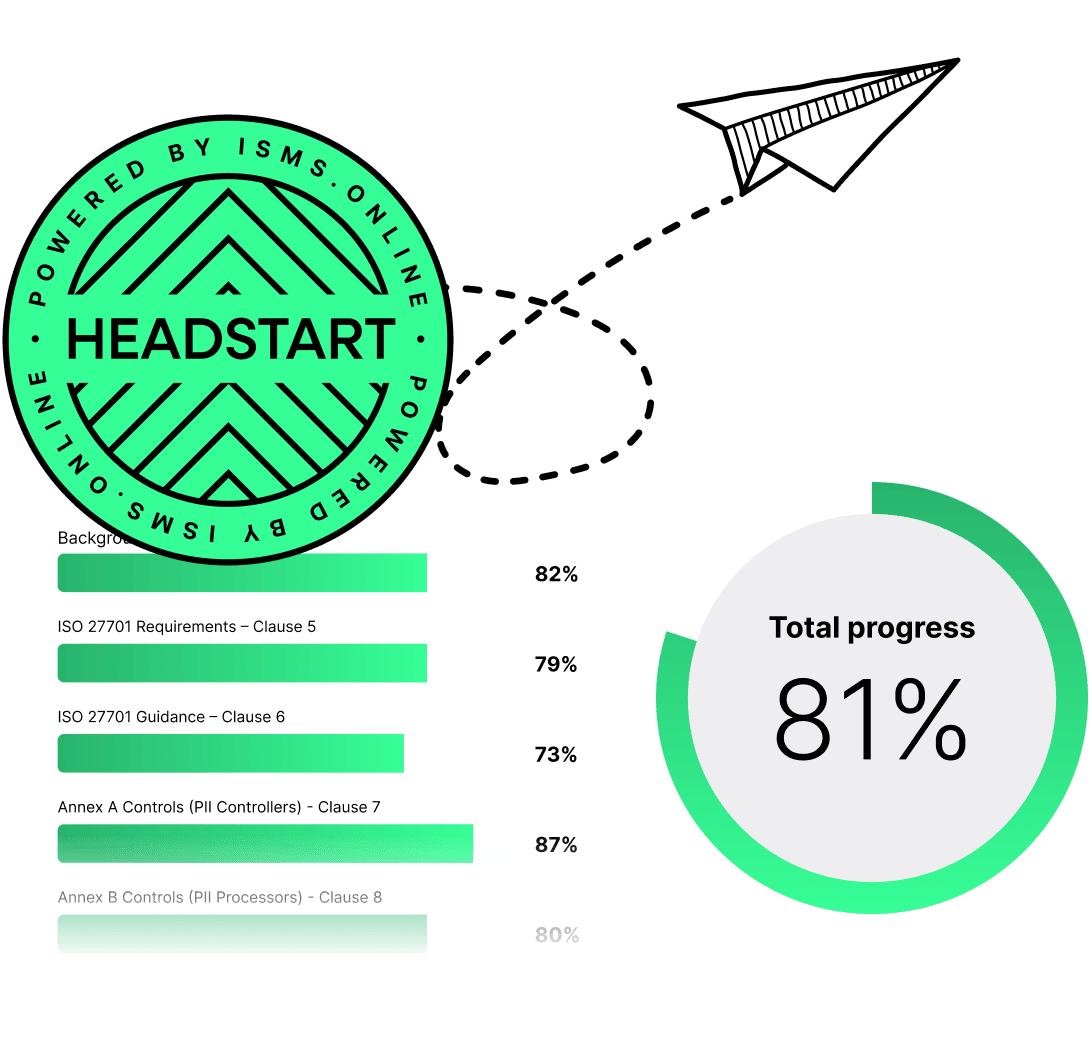
An 81% Headstart from day one
We’ve done the hard work for you, giving you an 81% Headstart from the moment you log on. All you have to do is fill in the blanks.
Why Should You Comply With Annex A.8.27? Key Aspects and Common Challenges
1. Secure Design Principles
Common Challenges:
- Balancing Security with Usability: Security controls must be robust without hindering the usability of the system, which is critical for end-user acceptance.
- Resource Allocation: Implementing secure design principles requires significant investments in time, budget, and skilled personnel, which may be difficult to secure.
Solutions:
- Conduct a Risk Assessment to identify areas where security and usability might conflict and develop solutions that minimise disruption to user experience.
- Integrate security requirements early in the design phase, ensuring they are part of the system’s fundamental architecture rather than an add-on.
- Advocate for the long-term cost benefits of secure design, highlighting how preventing breaches can save resources compared to remediation.
Associated ISO 27001:2022 Clauses:
- Clause 6.1: Actions to address risks and opportunities.
- Clause 7.1: Resources.
- Clause 8.1: Operational planning and control.
2. Threat Modelling
Common Challenges:
- Complexity of Threat Landscapes: As systems become more complex, identifying all potential threats becomes increasingly difficult.
- Interdepartmental Coordination: Effective threat modelling requires input from various departments, which can be challenging to coordinate.
Solutions:
- Implement automated threat modelling tools that can continuously update and analyse threats as the system evolves.
- Establish a cross-functional security team that includes members from all relevant departments to ensure comprehensive threat coverage.
- Regularly update threat models to reflect changes in the system and external threat landscape.
Associated ISO 27001:2022 Clauses:
- Clause 6.1.2: Information security risk assessment.
- Clause 6.1.3: Information security risk treatment.
- Clause 7.4: Communication.
3. Layered Security
Common Challenges:
- Integration of Multiple Security Layers: Ensuring different security controls across various system layers work cohesively.
- Maintaining Performance: Security measures, especially those that are layered, can impact system performance.
Solutions:
- Develop a security architecture that defines clear interactions and dependencies between security layers to prevent gaps or redundancies.
- Perform regular performance testing to optimise the balance between security and system efficiency.
- Utilise defence-in-depth strategies that incorporate multiple, overlapping security controls to provide comprehensive protection.
Associated ISO 27001:2022 Clauses:
- Clause 8.1: Operational planning and control.
- Clause 9.1: Monitoring, measurement, analysis, and evaluation.
- Clause 9.2: Internal audit.
4. Security Requirements
Common Challenges:
- Changing Regulatory Landscape: Security requirements are often influenced by evolving regulations, making it challenging to maintain compliance.
- Stakeholder Buy-In: Securing commitment from stakeholders, especially when security measures may increase development time or cost, is challenging.
Solutions:
- Establish a process for continuous monitoring of relevant regulations and ensure that the system’s security requirements are updated accordingly.
- Engage stakeholders through regular briefings and educational sessions that outline the importance of compliance and the risks of non-compliance.
- Align security requirements with the organisation’s strategic goals to demonstrate how security supports overall business objectives.
Associated ISO 27001:2022 Clauses:
- Clause 5.1: Leadership and commitment.
- Clause 6.1.3: Information security risk treatment.
- Clause 9.3: Management review.
5. Secure Engineering Practices
Common Challenges:
- Skills Gap: Ensuring the engineering team has the necessary skills and knowledge to implement secure practices is a significant challenge.
- Adoption of Best Practices: Getting teams to consistently follow secure engineering practices can be difficult, especially under tight deadlines.
Solutions:
- Provide continuous training and upskilling opportunities for the engineering team to stay current with the latest secure engineering practices.
- Integrate security into the DevOps process (DevSecOps) to ensure that security is considered at every stage of development.
- Implement secure coding standards and enforce them through regular code reviews and automated security testing.
Associated ISO 27001:2022 Clauses:
- Clause 7.2: Competence.
- Clause 7.3: Awareness.
- Clause 8.2: Security testing and validation.
6. Lifecycle Security
Common Challenges:
- Maintaining Security Over Time: Ensuring that systems remain secure throughout their lifecycle, particularly as they undergo updates and modifications.
- Legacy Systems: Integrating secure lifecycle practices into legacy systems that were not originally designed with security in mind.
Solutions:
- Conduct regular security audits and implement a process for continuous improvement to address vulnerabilities as they arise.
- Develop a strategy for updating or replacing legacy systems, prioritising those that pose the greatest risk.
- Implement a secure decommissioning process for systems at the end of their lifecycle to ensure that data is securely disposed of and hardware is appropriately handled.
Associated ISO 27001:2022 Clauses:
- Clause 9.1: Monitoring, measurement, analysis, and evaluation.
- Clause 10.1: Nonconformity and corrective action.
- Clause 8.3: Secure disposal of media.

Free yourself from a mountain of spreadsheets
Embed, expand and scale your compliance, without the mess. IO gives you the resilience and confidence to grow securely.
ISMS.online Features for Demonstrating Compliance with A.8.27
ISMS.online offers a suite of features specifically designed to help organisations demonstrate compliance with A.8.27. These features support secure system design, implementation, and continuous improvement.
1. Risk Management
- Risk Bank & Dynamic Risk Map: Helps in identifying, assessing, and managing risks throughout the system’s lifecycle. It supports threat modelling by allowing organisations to map and mitigate risks proactively.
- Risk Monitoring: Continuously tracks risks associated with system architecture and engineering, ensuring that emerging threats are identified and addressed.
2. Policy Management
- Policy Templates & Version Control: Facilitates the creation and maintenance of security policies that align with secure design principles. These policies guide the development and engineering teams in implementing secure architectures.
- Document Access: Ensures that all stakeholders have access to the latest security policies, promoting adherence to secure engineering practices.
3. Incident Management
- Incident Tracker & Workflow: Supports the identification and response to security incidents related to system architecture. This tool helps ensure that lessons learned from incidents are integrated into future system designs.
- Reporting: Provides comprehensive reports on incidents and their resolutions, helping organisations demonstrate that they have addressed vulnerabilities in their system architecture.
4. Audit Management
- Audit Templates & Plan: Facilitates regular audits of system architecture against security requirements, ensuring compliance with A.8.27.
- Corrective Actions: Supports the implementation of corrective measures based on audit findings, ensuring that systems are continuously improved to meet security standards.
5. Compliance Management
- Regs Database & Alert System: Keeps the organisation updated with the latest regulatory requirements, ensuring that system architectures are designed in compliance with current standards.
- Reporting: Tracks and reports on compliance with A.8.27, providing evidence of adherence to secure architecture and engineering principles.
6. Documentation
- Doc Templates & Version Control: Enables the creation, management, and versioning of documentation related to secure system architecture, ensuring that all security requirements and design decisions are well-documented and accessible.
- Collaboration Tools: Supports cross-functional teams in collaborating on secure design and engineering, ensuring that all aspects of the system’s security are considered.
Detailed Annex A.8.27 Compliance Checklist
To ensure compliance with A.8.27, the following checklist provides a step-by-step guide to address each aspect of the control:
Secure Design Principles
- Define and Document Security Principles: Establish and document secure design principles such as least privilege, defence in depth, and secure by design.
- Conduct a Security Design Review: Ensure that security is a key consideration in all system design discussions and reviews.
- Allocate Resources for Security Implementation: Secure budget, time, and skilled personnel for implementing security measures.
- Incorporate Security in Early Design Phases: Engage security experts during the initial design phase to embed security into the architecture from the start.
Threat Modelling
- Develop a Threat Model: Identify potential threats and vulnerabilities for each system component.
- Involve Cross-Functional Teams: Engage various departments in the threat modelling process to ensure comprehensive coverage.
- Use Automated Threat Modelling Tools: Implement tools to assist in the identification and analysis of threats.
- Update Threat Models Regularly: Regularly review and update threat models to reflect changes in the system and emerging threats.
Layered Security
- Design a Multi-Layered Security Architecture: Implement security controls at multiple levels, such as network, application, and data layers.
- Test the Integration of Security Layers: Conduct regular testing to ensure that security layers function cohesively.
- Optimise for Performance: Balance security measures with system performance requirements.
- Document Security Layer Interdependencies: Clearly document how each security layer interacts with others to prevent gaps or redundancies.
Security Requirements
- Document Security Requirements: Define and document security requirements based on organisational goals and regulatory obligations.
- Regularly Review and Update Requirements: Ensure that security requirements are continuously updated to reflect changes in regulations and industry standards.
- Secure Stakeholder Buy-In: Communicate the importance of security requirements to stakeholders to gain their support.
- Align Security Requirements with Business Objectives: Ensure that security requirements support broader business goals to facilitate stakeholder buy-in.
Secure Engineering Practices
- Provide Ongoing Security Training: Ensure that engineering teams receive continuous training on the latest secure engineering practices.
- Integrate Security into Development Processes: Incorporate security checks and reviews into the development lifecycle from the start.
- Adopt Secure Coding Standards: Implement and enforce secure coding practices across all development teams.
- Monitor and Enforce Secure Practices: Establish mechanisms to monitor compliance with secure engineering practices and address any deviations.
Lifecycle Security
- Implement Continuous Security Monitoring: Establish processes to monitor and address security risks throughout the system’s lifecycle.
- Plan for Legacy System Security: Develop a strategy to secure legacy systems that may not have been designed with security in mind.
- Conduct Regular Security Audits: Schedule and perform regular audits to ensure ongoing compliance with security standards.
- Implement a Secure Decommissioning Process: Ensure that systems are securely decommissioned at the end of their lifecycle, including the safe disposal of data and hardware.

Manage all your compliance, all in one place
ISMS.online supports over 100 standards and regulations, giving you a single platform for all your compliance needs.
Every Annex A Control Checklist Table
| ISO 27001 Control Number | ISO 27001 Control Checklist |
|---|---|
| Annex A.6.1 | Screening Checklist |
| Annex A.6.2 | Terms and Conditions of Employment Checklist |
| Annex A.6.3 | Information Security Awareness, Education and Training Checklist |
| Annex A.6.4 | Disciplinary Process Checklist |
| Annex A.6.5 | Responsibilities After Termination or Change of Employment Checklist |
| Annex A.6.6 | Confidentiality or Non-Disclosure Agreements Checklist |
| Annex A.6.7 | Remote Working Checklist |
| Annex A.6.8 | Information Security Event Reporting Checklist |
| ISO 27001 Control Number | ISO 27001 Control Checklist |
|---|---|
| Annex A.7.1 | Physical Security Perimeters Checklist |
| Annex A.7.2 | Physical Entry Checklist |
| Annex A.7.3 | Securing Offices, Rooms, and Facilities Checklist |
| Annex A.7.4 | Physical Security Monitoring Checklist |
| Annex A.7.5 | Protecting Against Physical and Environmental Threats Checklist |
| Annex A.7.6 | Working in Secure Areas Checklist |
| Annex A.7.7 | Clear Desk and Clear Screen Checklist |
| Annex A.7.8 | Equipment Siting and Protection Checklist |
| Annex A.7.9 | Security of Assets Off-Premises Checklist |
| Annex A.7.10 | Storage Media Checklist |
| Annex A.7.11 | Supporting Utilities Checklist |
| Annex A.7.12 | Cabling Security Checklist |
| Annex A.7.13 | Equipment Maintenance Checklist |
| Annex A.7.14 | Secure Disposal or Re-Use of Equipment Checklist |
How ISMS.online Help With A.8.27
Are you ready to elevate your organisation’s security to the next level?
With the complexities of ISO 27001:2022 and the ever-evolving threat landscape, having the right tools and guidance is crucial. ISMS.online offers a comprehensive platform designed to help you seamlessly implement controls like A.8.27 Secure System Architecture and Engineering Principles, ensuring your systems are not just compliant, but resilient and future-proof.
Contact us today to book a personalised demo and see how our platform can transform your information security management.






